-
-
-
-
-
-
-
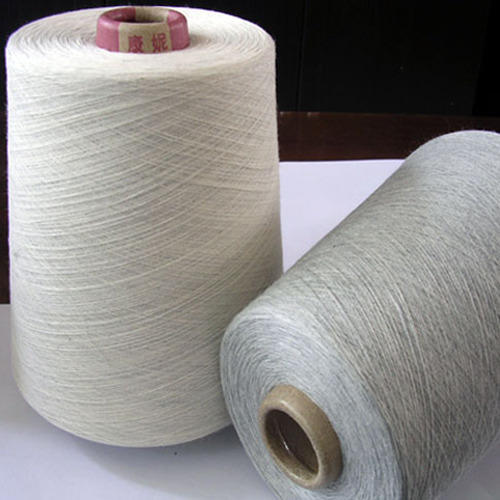
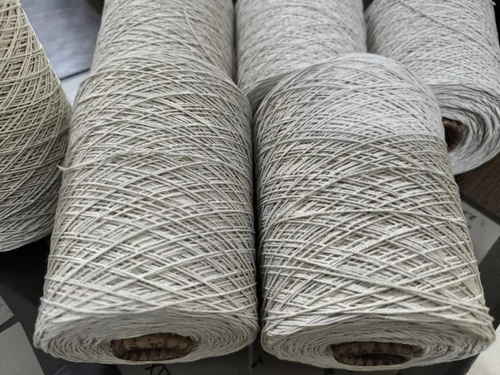
Polyester Cotton Yarn PC 65 35 Bulk Supply
Jaipur, Rajasthan, India
Polyester cotton yarn PC 65 35 widely used in fabric weaving home textiles and apparel production. Suitable for bulk textile buyers and export markets seeking strong and versatile blended yarn.
Shipping Information
Exporter details revealed after verified importer registration
PC 65/35 yarn is a blended spun yarn made from 65% polyester staple fibre and 35% cotton - classified as TC (Terylene/Cotton) yarn, where polyester is the dominant component. This is one of the most widely produced and traded blended yarn types in the world, used in shirting fabric, workwear, uniforms, institutional textiles, school clothing, and basic woven and knit fabric manufacturing. India is among the world's largest producers and exporters of blended yarn, with 28,254 polyester yarn shipments dispatched to over 100 countries between November 2023 and October 2024. The country's synthetic fiber market reached 4.52 million metric tonnes in 2024, growing at a 5.6% CAGR through 2030. Key manufacturing clusters include Coimbatore and Tirupur in Tamil Nadu, Bhiwandi in Maharashtra, Surat and Ahmedabad in Gujarat, and Ludhiana in Punjab - all supplying garment and fabric manufacturers across Bangladesh, Turkey, Vietnam, Brazil, and the US.
| Attribute | Details / Value |
|---|---|
| Yarn Type | TC Blended Spun Yarn (Terylene/Cotton - polyester dominant) |
| Blend Ratio | 65% Polyester Staple Fibre / 35% Cotton |
| Available Counts | Ne 20s, Ne 30s, Ne 40s standard; other counts on request |
| Spinning System | Ring spun / Open-end (OE) spun - specify at time of order |
| Twist Direction | S-twist / Z-twist - specify at time of order |
| Ply | Single / Double ply available |
| Tenacity | Min. 14 cN/tex (ring spun); varies by count |
| Elongation at Break | Approx. 12-18% depending on count and spinning system |
| CV% (Evenness) | Below 14% for premium quality; below 18% standard |
| Moisture Content | Max. 8.5% |
| Cone Weight | 1.5 kg, 2 kg standard; custom on request |
| HS Code | 5509.53 (yarn of polyester staple fibres mixed with cotton, not put up for retail) |
| Certifications | OEKO-TEX Standard 100, GRS (recycled variant), BIS on request |
PC 65/35 looks simple on paper. It is not. The same ratio - 65/35 - appears in two completely different yarn categories, and confusing them is one of the most expensive sourcing errors in blended yarn procurement. TC yarn (Terylene/Cotton) is 65% polyester, 35% cotton. CVC yarn (Chief Value Cotton) is 65% cotton, 35% polyester. Same numbers, reversed dominance, entirely different fabric performance. TC is more durable, wrinkle-resistant, lower cost, and what workwear, uniform, and institutional textile buyers want. CVC is softer, breathes better, and is what fashion and retail garment buyers use. If your purchase order says "65/35" without specifying TC or CVC, you are trusting the supplier to guess. They may guess wrong. Always state TC or CVC explicitly and ask for a blend ratio verification certificate or lab test report before accepting a bulk consignment.
The same PC 65/35 count spun differently produces meaningfully different fabric. Ring spun yarn has longer fibre alignment, higher tenacity, better uniformity, and a cleaner hand feel in the finished fabric. Open-end (OE) spun yarn is produced faster, costs less, and suits high-volume applications where hand feel is secondary - denim, heavy workwear, commodity toweling. For shirting and apparel fabric, ring spun is what buyers typically specify. For industrial, institutional, and home textile applications, OE is often adequate and the per-kg cost saving is worth it. Specify the spinning system when ordering. Switching systems mid-order affects fabric performance and creates issues with your weavers and knitters downstream.
India's blended yarn industry runs on integrated textile infrastructure - polyester staple fibre produced domestically (Reliance, Indo Rama are among the major PSF producers), cotton grown locally, and spinning capacity concentrated in established clusters. Coimbatore and Tirupur in Tamil Nadu are the dominant centres for fine count blended yarn. Bhiwandi in Maharashtra supplies the weaving belts around Mumbai. Surat and Ahmedabad in Gujarat handle synthetic and blended yarn at scale. Between these clusters, India can supply most count ranges, both ring and OE spinning, and certifications including OEKO-TEX Standard 100 for buyers in regulated markets. Between November 2023 and October 2024, India sent 28,254 polyester yarn shipments to over 100 countries. Turkey, Brazil, and Bangladesh are the top buyers. For fabric manufacturers looking to diversify supply away from Chinese or Vietnamese yarn, Indian PC 65/35 at competitive FOB pricing is a practical option with established export infrastructure behind it.
Cones of 1.5 kg and 2 kg standard weight. Packed in corrugated cartons with polybag lining; typically 12-24 cones per export carton. Shrink-wrapped pallet loading available for FCL orders. Custom cone weight and cardboard tube colour for private label on request.
OEKO-TEX Standard 100 (testing for harmful substances - required by most EU and US apparel buyers), GRS (Global Recycled Standard) for recycled polyester variant, BIS certification, ISO 9001 manufacturing quality. Blend ratio verification reports and physical test certificates (tenacity, elongation, evenness CV%) available per lot.
No, and this matters significantly. PC 65/35 is TC yarn - 65% polyester, 35% cotton. CVC 65/35 is 65% cotton, 35% polyester. TC is more durable and wrinkle-resistant, suited for uniforms and workwear. CVC is softer and more breathable, used in fashion and retail garments. Always specify TC or CVC in writing when placing an order, and ask for a blend ratio verification certificate before accepting the consignment.
For shirting fabric, Ne 40s ring spun PC 65/35 is the standard specification - it produces a fine, even weave with good hand feel. For workwear and uniform fabric, Ne 20s or Ne 30s OE spun is more common - coarser, heavier, and lower cost per kg. For T-shirt knit fabric, Ne 30s ring spun is typical. Confirm the end use with your weaver or knitter before placing the yarn order.
OEKO-TEX Standard 100 is the most widely required - it tests for harmful substances and is specified by most European and US apparel brands in their supplier requirements. If your customer requires recycled content, ask for GRS-certified yarn and a transaction certificate per lot. For US buyers, confirm whether CPSC requirements apply to your end product category.
500 kg covers a reasonable quality trial across one or two counts. It is enough to run fabric tests and check evenness, tenacity, and colour take-up before committing to FCL quantities. Mixed count FCL orders - for example, 2,000 kg of Ne 30s and 3,000 kg of Ne 40s in one container - are negotiable with most exporters.
15-25 days production and packing after order confirmation and approved yarn spec. Sea freight from Nhava Sheva to US East Coast runs 22-28 days; to Rotterdam 20-24 days; to Bangladesh or Vietnam 8-14 days. Air freight is available for urgent samples but not commercially viable for bulk yarn shipments.
Connect with EXP01002 and thousands of verified Indian exporters on Navi Exports