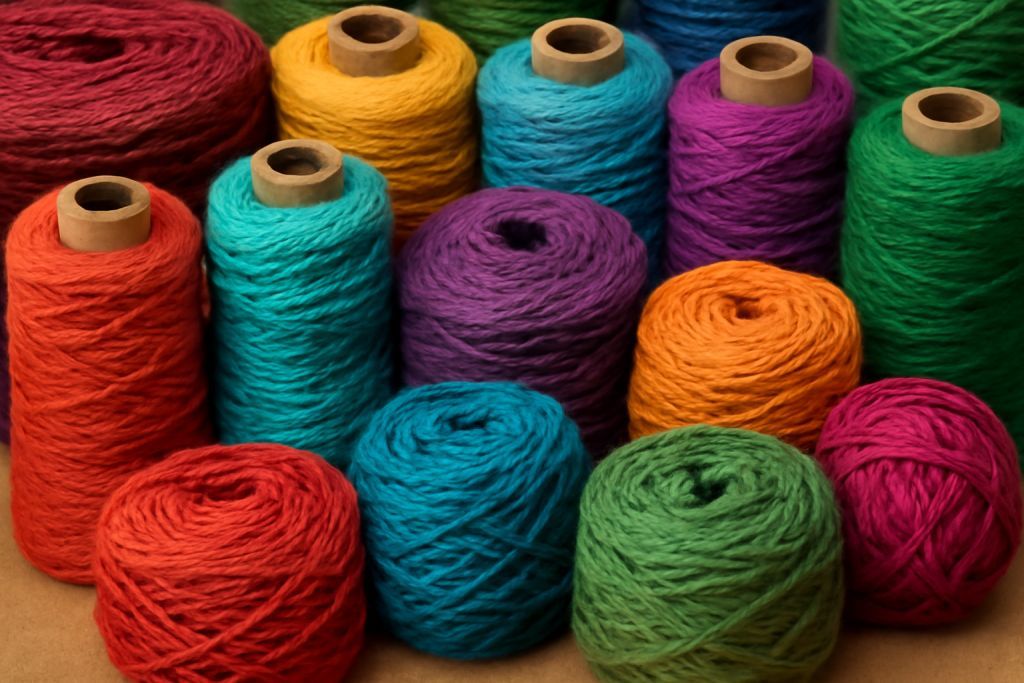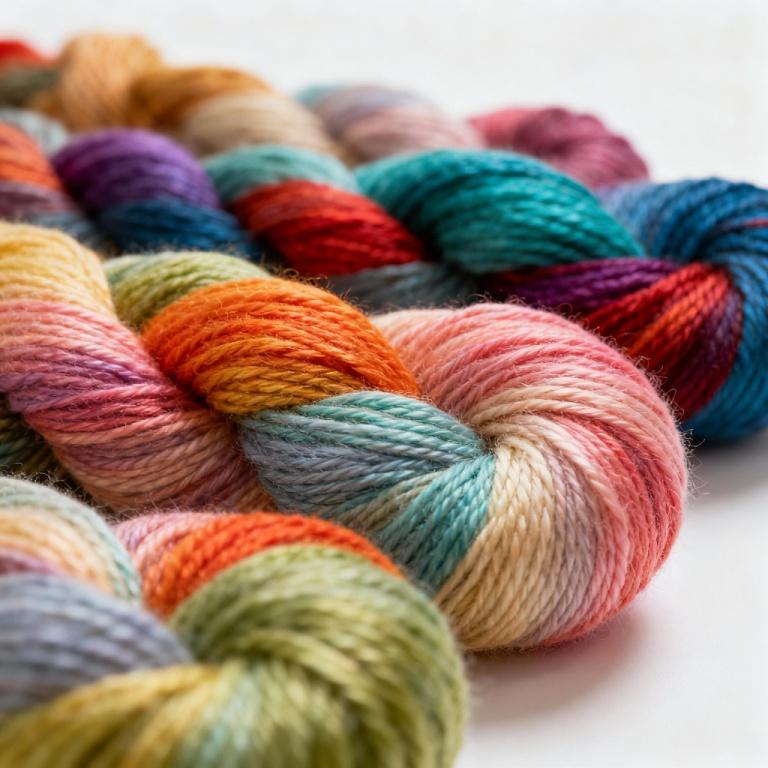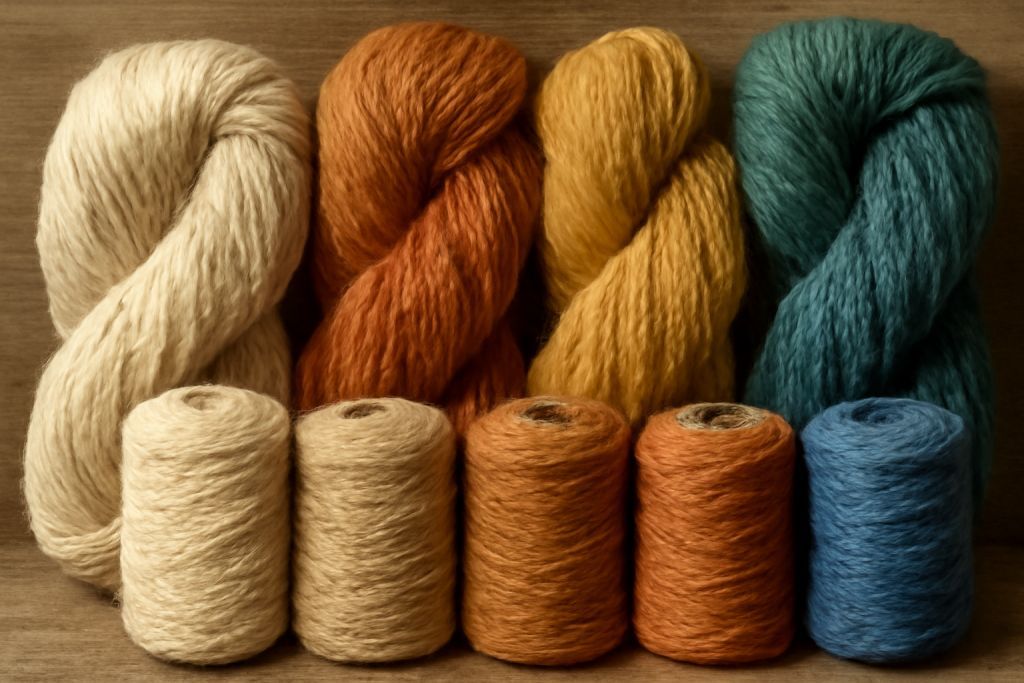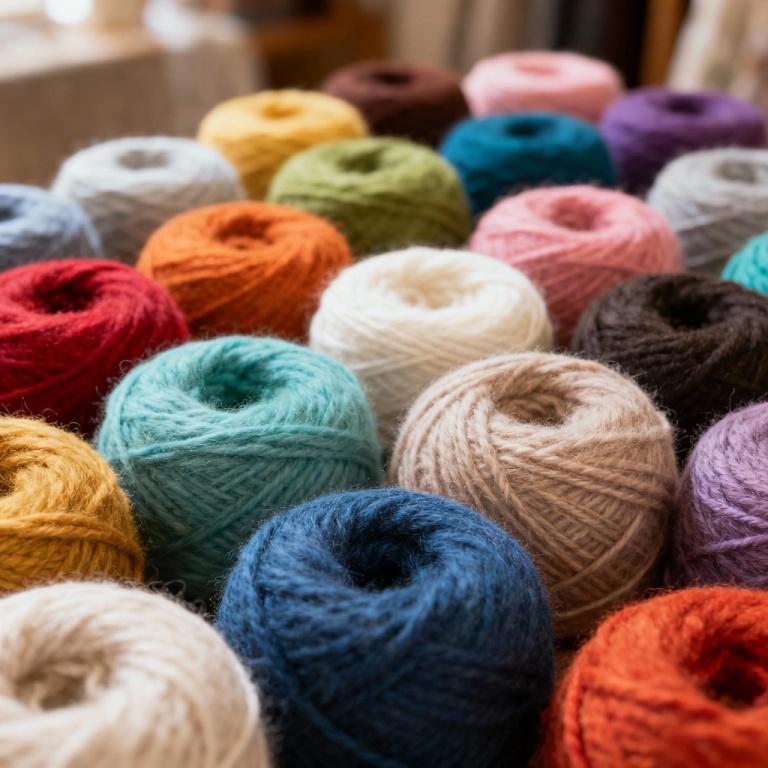
India is one of the world's largest yarn producers, and the supply chain behind it is integrated in a way most competing origins can't match. India grows its own cotton, spins it domestically, and exports cotton yarn to knitters, weavers, and fabric manufacturers across Bangladesh, China, Southeast Asia, the Middle East, and Europe. Silk yarn from Karnataka and Andhra Pradesh supplies luxury fabric manufacturers globally. Wool yarn from Ludhiana and Amritsar goes to knitwear manufacturers in Europe and Central Asia. Synthetic yarn - polyester, nylon, viscose, acrylic - is produced at scale from Surat, Ludhiana, and Delhi NCR. Blended yarns combining cotton with synthetic or natural fibers supply fabric manufacturers who need specific stretch, moisture, or mixed-fiber characteristics that neither pure cotton nor pure synthetic delivers on its own.
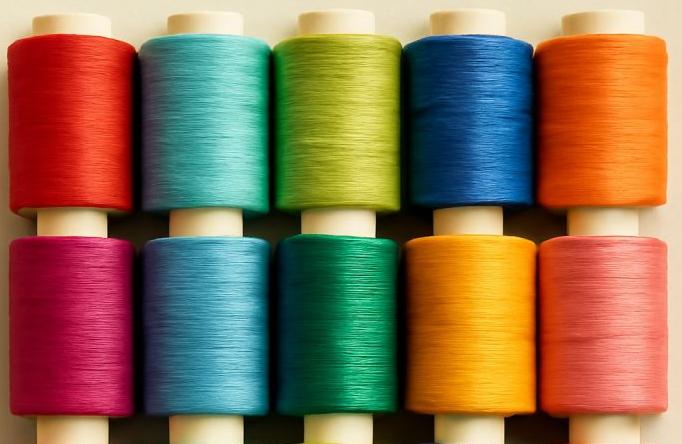
Recycled yarn has become a serious part of the export picture. India has real capacity in recycled cotton and recycled polyester yarn - GRS certified recycled yarn from Indian manufacturers supplies fashion brands and fabric producers who need sustainability compliance built into their fiber sourcing. Panipat in Haryana is the world's largest textile waste recycling centre, processing used garments and industrial textile offcuts into recycled fiber and yarn that re-enters the manufacturing supply chain. EU and UK fashion brands with recycled content mandates increasingly source from Panipat-linked manufacturers because the scale and certification infrastructure is already in place. Embroidery threads, sewing threads, overlock threads, and industrial threads from Indian manufacturers supply garment factories, craft retailers, and textile producers globally.
OEKO-TEX Standard 100 is the certification buyers should check first on any yarn or thread going into EU garment or fabric manufacturing - it confirms no harmful substances at fiber and process level. GRS certification backs recycled content claims. GOTS is available from some cotton yarn suppliers for organic sourcing requirements. Yarn is sold by count - Ne for cotton, Nm for wool and blends, denier or dtex for synthetics - so specify count, twist direction, fiber content, and packaging format through the enquiry function before ordering. MOQs range from a few hundred kilograms for specialty silk or wool yarn to container loads for commodity cotton and synthetic lines.