-
-
-
-
-
-
-
Organic Silk Fabric Manufacturer Bhagalpur India
Bhagalpur, Bihar, India
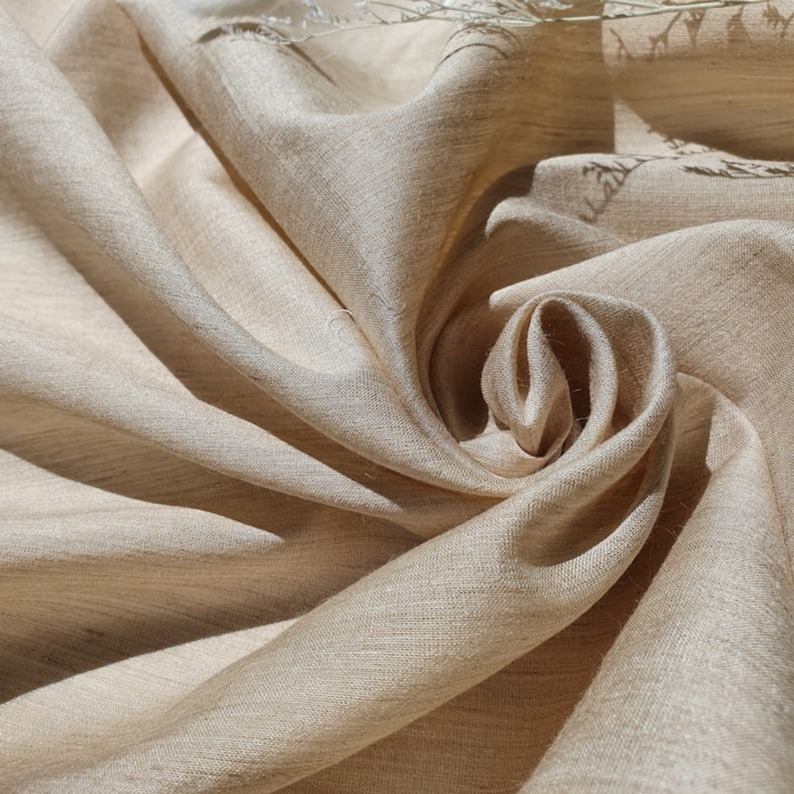
Organic Silk Fabric manufacturer Bhagalpur India manufacturing sustainable silk textile materials using natural silk fibers.
Shipping Information
Exporter details revealed after verified importer registration
Organic silk fabric from Bhagalpur is built on the region's signature Tussar silk, a wild silk harvested from Antheraea paphia silkworm cocoons that live naturally in forest trees rather than farmed indoor mulberry cultivation. This wild-harvested origin gives Bhagalpur's silk industry a natural overlap with sustainable and low-intervention production principles, and certified organic and Ahimsa (peace silk) processing extends this further. Bhagalpur, known as India's "Silk City," has produced Tussar silk for generations, concentrated particularly around the Champanagar (Nathnagar) processing area. For sustainable fashion brands, eco-conscious textile importers, and green fashion houses internationally, this means access to genuinely wild-origin silk fabric with the organic and ethical certification documentation international buyers require.
| Attribute | Details / Value |
|---|---|
| Silk Type | Tussar (wild silk), Eri, Mulberry organic, specify per order |
| Processing Method | Conventional Tussar, or certified Ahimsa/peace silk (moth-emerged), specify per order |
| Organic Certification | GOTS (Global Organic Textile Standard), NPOP, available on request, specify per order |
| Color | Natural undyed cream/gold tone, or natural-dyed color options, specify per order |
| Weave Style | Handloom plain weave, textured slub, specify per order |
| Fabric Width | Standard 44 inches, custom widths available on request |
| GSM/Weight | Specify per garment application, lighter weights for drape, heavier for structure |
| Measurement/Sale Unit | Priced and sold by the meter, bulk yardage available |
| Packaging | Rolled fabric on tubes or folded per yardage, protective wrapping for transit |
| HS Code | 5007 (woven fabric of silk or silk waste), confirm with CHA |
Tussar silk's wild-forest origin, with silkworms living and feeding naturally on trees rather than farmed indoors, gives it genuine ecological differences from conventional mulberry silk production, but this alone doesn't automatically make it certified Ahimsa silk. True Ahimsa or peace silk requires the specific extraction method where the moth is allowed to emerge from the cocoon naturally before the silk fiber is harvested, rather than the cocoon being boiled or pierced with the pupa still inside. Buyers should confirm exactly which process their fabric was produced under, since "wild silk" and "peace silk" are related but distinct claims.
Organic certification addresses a different question entirely, whether the sericulture process avoided synthetic pesticides, fertilizers, and chemical processing throughout the supply chain, verified independently through standards like GOTS or India's NPOP. A fabric can be wild Tussar silk, certified Ahimsa silk, both, or neither depending on the specific farm and processing practices, so buyers marketing sustainability claims should request documentation for each specific claim rather than assuming they're automatically bundled together.
Bhagalpur's identity as India's Silk City is built specifically around Tussar, the wild silk variety whose forest-based, low-intervention origin naturally aligns with sustainability positioning even before formal certification is layered on top. Generations of processing expertise, concentrated around the Champanagar area, give the region genuine technical depth in handling this wild fiber, which behaves differently in weaving and finishing than farmed mulberry silk.
Fabric rolled on tubes or folded per standard yardage length, protected with paper or poly wrapping for transit. Bulk packing in protective cartons for wholesale shipment. Custom cutting to specific lengths available on request.
GOTS (Global Organic Textile Standard) certification available on request, NPOP (National Programme for Organic Production) certification, Silk Mark certification available (verifies genuine silk content), Certificate of Origin, quality inspection reports available per batch on request.
Not automatically. Tussar's wild-forest origin gives it ecological differences from farmed mulberry silk, but certified Ahimsa silk specifically requires the moth to emerge from the cocoon naturally before harvest, rather than the cocoon being boiled or pierced. Confirm which specific process your fabric was produced under.
GOTS (Global Organic Textile Standard) verifies that the sericulture and processing chain avoided synthetic pesticides, fertilizers, and harmful chemicals, alongside social compliance criteria. It's a separate certification from wild-origin or Ahimsa claims, so request GOTS documentation specifically if that's the claim you need to substantiate.
Processing is concentrated particularly around the Champanagar (Nathnagar) area of Bhagalpur, which has handled Tussar silk processing for generations, giving the city its recognition as India's Silk City.
MOQ varies based on certification requirements and whether custom dyeing or development is involved, with certified organic and Ahimsa silk typically carrying a higher minimum. Confirm the current minimum for your specific requirement directly.
Woven silk fabric generally falls under HS code 5007. Confirm the exact classification with your customs broker before the first shipment.
Connect with EXP01008 and thousands of verified Indian exporters on Navi Exports