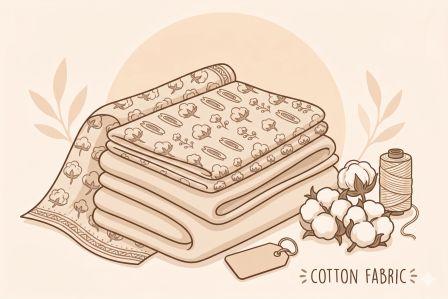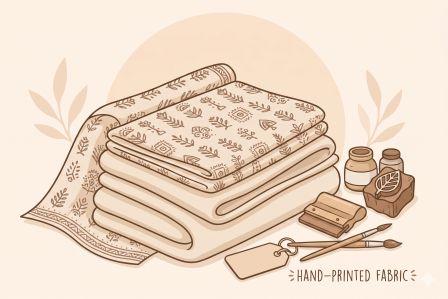
India's textile fabric exports ran at over $16 billion in FY2024-25. The manufacturing base covers every major fabric type - cotton, silk, wool, synthetic, blended, printed, nonwoven, and industrial textiles - with spinning, weaving, dyeing, and finishing all available domestically. India grows its own cotton and produces its own silk through sericulture, which means fabric buyers are not sourcing from a country that imports its raw materials before processing them. Cotton fabric is the largest export subcategory: plain, twill, poplin, voile, cambric, and denim from mills in Gujarat, Maharashtra, and Tamil Nadu go to garment manufacturers across Bangladesh, Sri Lanka, Southeast Asia, and the Middle East. Printed fabric - hand block printed, screen printed, and digital printed - from Jaipur, Surat, and Sanganer goes to fashion fabric buyers in Europe and the US looking for design-led Indian textiles for apparel and home decor.
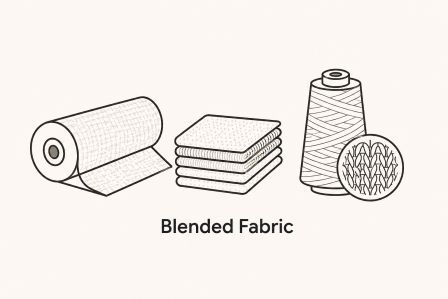
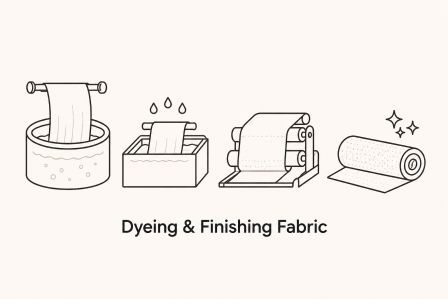
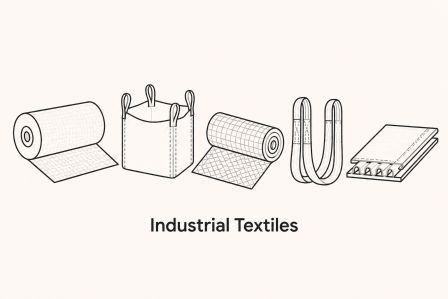
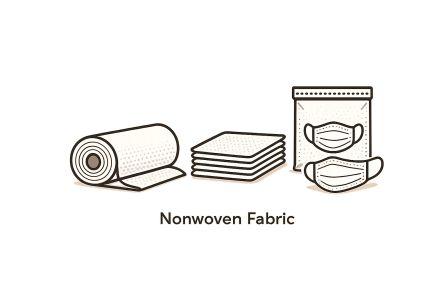
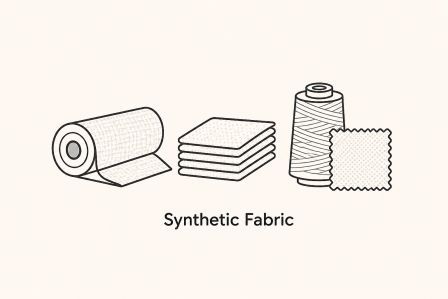
Surat deserves specific attention as a sourcing geography. It is one of Asia's largest synthetic and blended fabric markets - polyester, viscose, chiffon, georgette, crepe, and blended fabrics produced and traded at a scale that supplies fashion fabric buyers globally. The dyeing and finishing infrastructure in Surat handles both domestic and export fabric finishing, so buyers can source grey fabric and have it dyed and finished to spec without leaving the city. Silk fabric from Varanasi - Banarasi silk, brocades, jacquard silk - goes to luxury fashion buyers and ethnic wear manufacturers. Woolen fabric from Ludhiana and Amritsar supplies knitwear manufacturers and apparel buyers in colder climate markets. Industrial textiles - geotextiles, filter fabrics, nonwoven fabrics, technical textiles for automotive and medical applications - are a growing part of the export profile, backed by PLI scheme investment in technical textiles specifically.
OEKO-TEX Standard 100 is the certification to check first for fabric going into EU apparel manufacturing - it covers harmful substances across all processing stages. GOTS applies to organic cotton fabric for buyers with organic sourcing requirements. GRS covers recycled fiber content claims. Industrial and technical textiles need application-specific performance standards confirmed against the intended end use - geotextiles and filter fabrics are not interchangeable across applications. Fabric is quoted in metres with gsm, thread count, weave construction, and finish all specified - provide full fabric specifications through the enquiry function, ask for lab test reports or certificates alongside samples, and order sample lengths before committing to bulk. Getting fabric specifications right upfront saves significant time and cost on both sides.