-
-
-
-
-
-
-
Bhagalpuri Silk Fabric Supplier for International Buyers
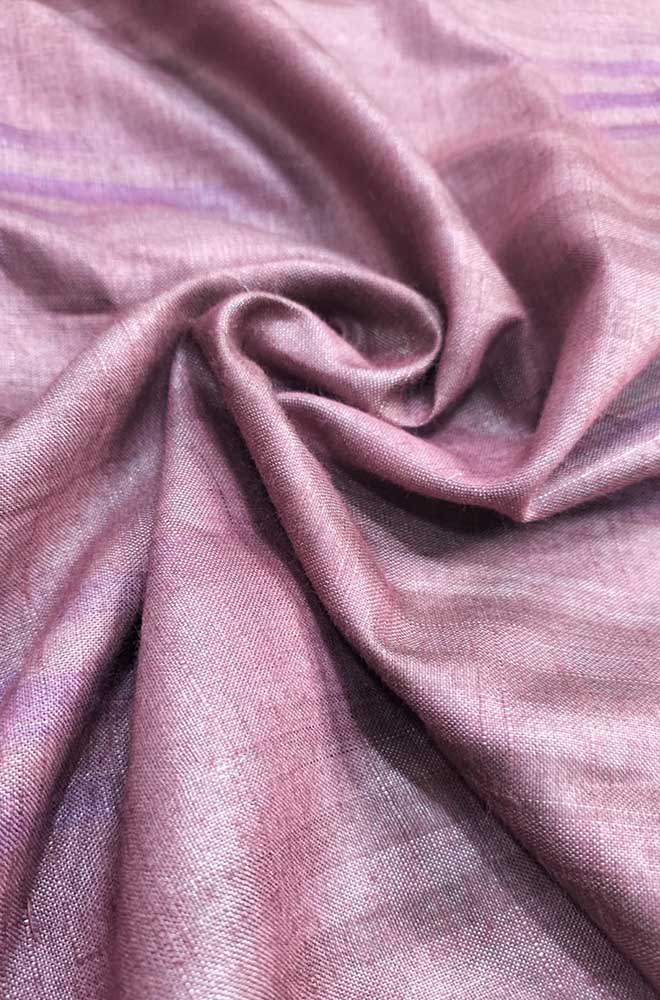
Bhagalpur, Bihar, India
Bhagalpuri Silk Fabric supplier for international buyers from Bhagalpur India manufacturing authentic silk textile materials with premium natural texture.
Shipping Information
Exporter details revealed after verified importer registration
Bhagalpuri silk, woven from Tussar (wild) silk yarn, takes its name directly from Bhagalpur, Bihar, the city long known as India's "Silk City" and home to this fabric's centuries-old weaving tradition. Unlike mulberry silk's smooth, glossy finish, Tussar silk carries a distinctive natural texture and warm, earthy tone that comes from the wild silkworm's diet and cocoon structure, giving Bhagalpuri fabric a look and hand-feel that's genuinely different from other Indian silk varieties. For international fashion brands, textile importers, and boutique retailers, this means access to authentic, GI-recognized Bhagalpuri silk with the documentation international buyers require.
| Attribute | Details / Value |
|---|---|
| Silk Type | Tussar (wild) silk, the base fiber for authentic Bhagalpuri silk |
| Weaving Method | Handloom (traditional) or power loom, specify per order |
| GSM | 60-140 GSM depending on weave density, specify per application |
| Texture | Natural slub texture, distinctive irregular weave characteristic of wild silk |
| Color | Natural warm cream/gold base tone, dyed color options available, specify per order |
| Fabric Width | Standard 44-45 inches, custom widths available on request |
| Product Forms | Yardage fabric, sarees, dupattas, stoles, specify per order |
| GI Status | Bhagalpuri silk holds Geographical Indication recognition |
| Packaging | Rolled fabric or folded per garment type, specify per order |
| HS Code | 5007 (woven fabric of silk or silk waste), confirm with CHA |
Handloom weaving is the traditional production method behind Bhagalpuri silk's historical reputation, producing fabric with subtle irregularities in weave density that many buyers specifically value as a marker of authentic craftsmanship. This method is slower and more labor-intensive, reflected in a higher price point, and suits buyers marketing heritage, artisan-made positioning to their end customers.
Power loom production uses the same Tussar silk yarn but weaves it mechanically, producing more uniform fabric at higher volume and lower cost than handloom. This suits buyers needing consistent bulk supply for commercial garment production where perfect uniformity matters more than the specific character handloom weaving produces. Buyers should confirm which method their retail positioning actually calls for, since the two serve genuinely different market segments within the same broader Bhagalpuri silk category.
Bhagalpur's identity as India's Silk City isn't a marketing label, it's the actual origin of this fabric's name and centuries-old weaving tradition, and the region holds Geographical Indication recognition protecting the authenticity of genuine Bhagalpuri silk. This means sourcing directly from Bhagalpur gives buyers access to the genuine origin fabric and the weaving expertise built up over generations specifically around Tussar silk, rather than a generic silk product using the Bhagalpuri name without the actual regional craft tradition behind it.
Fabric rolled on tubes or folded per standard yardage length, protected with paper or poly wrapping for transit. Individual garment packaging (sarees, dupattas) with tissue wrapping for premium presentation. Bulk packing in protective cartons for wholesale shipment.
GI (Geographical Indication) certification documentation for authenticated Bhagalpuri origin, Silk Mark certification available (verifies genuine silk content), Certificate of Origin, quality inspection reports available per batch on request.
Bhagalpuri silk is woven from Tussar (wild) silk, which carries a distinctive natural texture and warm, earthy tone different from the smooth, glossy finish of mulberry silk used in many other Indian silk varieties. The fabric takes its name directly from Bhagalpur, Bihar, its historical origin and holds GI recognition protecting its authenticity.
Handloom suits buyers marketing heritage, artisan-made positioning, with subtle weave irregularities valued as authentic craftsmanship, at a higher price. Power loom offers more uniform fabric at higher volume and lower cost, suited to commercial garment production. Match the method to your retail positioning.
Ask for GI (Geographical Indication) certification documentation confirming authenticated Bhagalpur origin, along with Silk Mark certification verifying genuine silk content. These two certifications together confirm both the fabric's origin and its material authenticity.
MOQ varies based on production method, GSM, and product form. Confirm the current minimum for your specific requirement directly.
Woven silk fabric generally falls under HS code 5007. Confirm the exact classification with your customs broker, since finished garments made from the fabric fall under different codes than raw yardage.
Connect with EXP01008 and thousands of verified Indian exporters on Navi Exports