
-
-
-
-
-
-
-
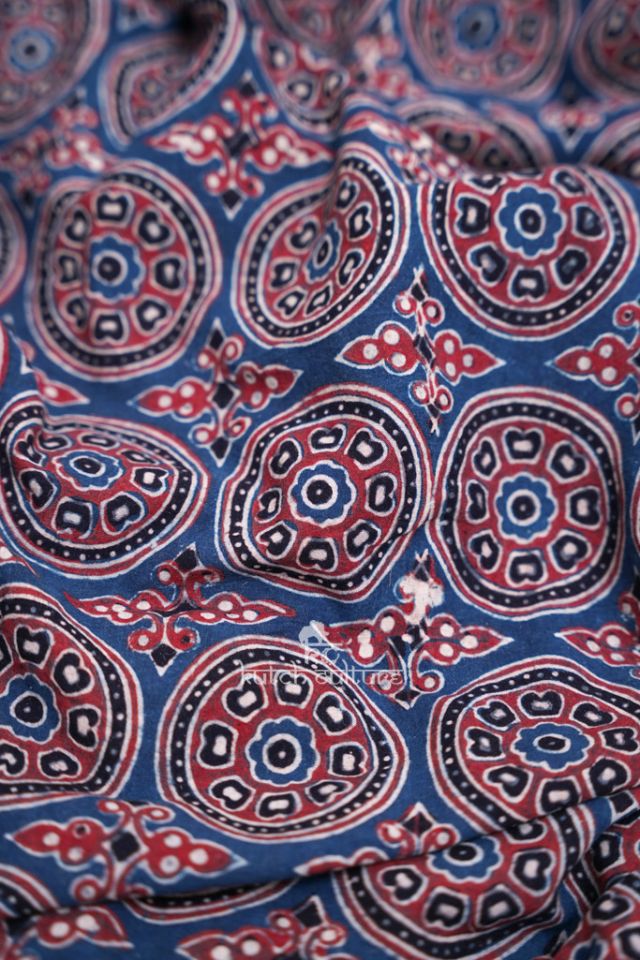
Ajrakh Printed Fabric
Ahmedabad, Gujarat, India
Ajrakh Printed Fabric manufacturer from Ahmedabad India producing handcrafted traditional textile materials with authentic Ajrakh print techniques.
Shipping Information
Exporter details revealed after verified importer registration
Ajrakh printed fabric is a resist hand-block printing and natural dye technique originating in Kutch, Gujarat, specifically the villages of Ajrakhpur and Dhamadka near Bhuj, which received Geographical Indication (GI) certification protecting the craft's authenticity. Cotton, and sometimes silk or wool, is dyed using natural vegetable and mineral colors, primarily indigo, red, and black, applied through intricately carved wooden blocks in a multi-step resist process passed down through generations of Khatri artisan families. Operating from Ahmedabad as a trading and export coordination base, we source Ajrakh directly from Kutch's artisan clusters and manage quality control, finishing, and export documentation for international buyers. For fashion brands, textile importers, and ethical/craft-focused retailers, this means access to GI-certified authentic Ajrakh with the documentation international buyers require.
| Attribute | Details / Value |
|---|---|
| Base Fabric | Cotton (standard), silk or wool available on request |
| GSM | 100-140 GSM for standard cotton, specify per application |
| Dye Type | Natural vegetable and mineral dyes (indigo, madder root, iron), specify if synthetic alternative requested |
| Printing Technique | Hand-block resist printing, multi-step dye process |
| Color Palette | Traditional indigo blue, red, black, white, specify per order |
| Design Motifs | Geometric and floral patterns, no human or animal figures (per traditional Islamic design principles) |
| Fabric Width | Standard 44-45 inches, custom widths available on request |
| GI Certification | Available for authenticated Kutch Ajrakh origin |
| Packaging | Rolled fabric, folded per length, specify per order |
| HS Code | 5208-5212 (printed cotton fabric, by weight/weave), confirm with CHA |
Authentic Ajrakh as practiced in Kutch uses natural vegetable and mineral dyes, indigo for blue, madder root for red, iron-based mordants for black, applied through a labor-intensive, multi-day resist process. This is what the GI certification specifically protects, and it commands a premium reflecting the process's genuine time and material cost. Buyers marketing sustainability, natural dye credentials, or authentic craft heritage should specify and verify natural dye sourcing.
Faster, lower-cost synthetic dye versions replicate Ajrakh's visual patterns without the traditional natural dyeing process, and while these can be commercially useful for buyers prioritizing cost and speed, they don't carry the same authenticity or GI protection as genuine Kutch Ajrakh. Buyers should be clear with their own retail customers about which type they're selling, since marketing synthetic-dye printed fabric as authentic Ajrakh misrepresents the product.
Kutch's Ajrakhpur and Dhamadka villages sit a considerable distance from Ahmedabad, so our role here is trading, quality verification, and export coordination rather than proximity to the artisan clusters themselves. Ahmedabad has a genuine, established history connecting Gujarat's craft traditions to broader markets, the National Institute of Design, based in Ahmedabad, played a real historical role linking Kutch Ajrakh artisans to domestic and export markets, and the city continues to host active Ajrakh trading businesses today. This gives us practical infrastructure for managing artisan relationships, quality control, and international documentation from a single coordination point.
Fabric rolled on tubes or folded per standard length, protected with paper or poly wrapping for transit. Bulk packing in protective cartons for wholesale shipment. Custom cutting to specific lengths available on request.
GI (Geographical Indication) certification documentation for authenticated Kutch Ajrakh, Certificate of Origin, quality inspection reports available per batch on request. OEKO-TEX certification available on request for buyers requiring chemical safety compliance documentation.
Authentic, GI-certified Ajrakh comes from Kutch, Gujarat, specifically the villages of Ajrakhpur and Dhamadka near Bhuj. Export coordination, quality control, and documentation are managed from Ahmedabad, with the fabric sourced directly from Kutch's artisan clusters.
Genuine Ajrakh uses natural vegetable and mineral dyes through a labor-intensive multi-day resist process, protected under GI certification. Synthetic-dye versions replicate the visual pattern faster and cheaper but don't carry the same authenticity or GI protection. Buyers should be clear about which type they're selling.
This follows Islamic design principles, since the craft has roots in the Sindh Muslim community that introduced it to Kutch over 400 years ago. Ajrakh motifs are instead geometric and floral patterns.
MOQ varies based on natural vs. synthetic dye, design complexity, and fabric base. Confirm the current minimum for your specific requirement directly.
Printed cotton fabric generally falls under HS codes in the 5208-5212 range, depending on fabric weight and weave. Confirm the exact classification with your customs broker based on your specific fabric specification.
Connect with EXP01007 and thousands of verified Indian exporters on Navi Exports