-
-
-
-
-
-
-
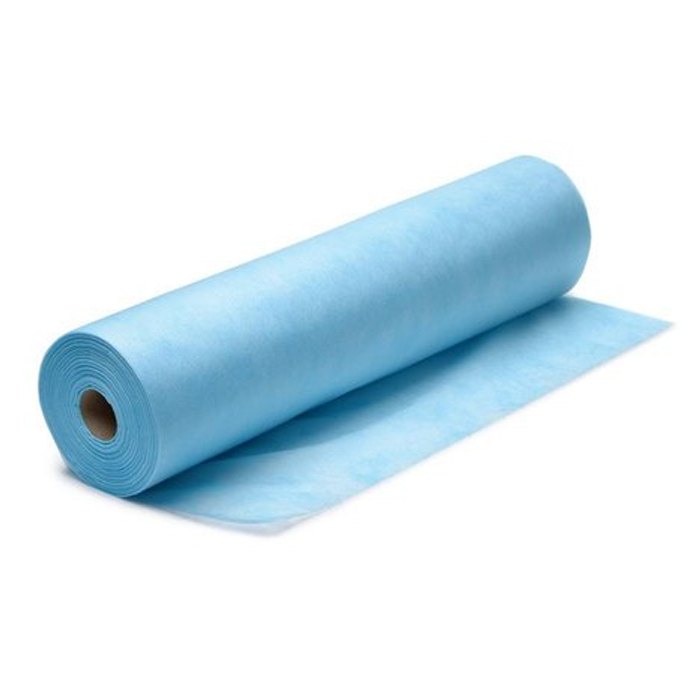
80 GSM Polypropylene Nonwoven Fabric
Surat, Gujarat, India
80 GSM polypropylene spunbond nonwoven fabric in rolls, made in Surat, India for shopping bags and packaging. Durable, tear-resistant, available in custom colors and widths for bulk and export orders.
Shipping Information
Exporter details revealed after verified importer registration
This is an 80 GSM polypropylene spunbond nonwoven fabric, sold in rolls for converters who make shopping bags, packaging covers, and other durable nonwoven products. At 80 GSM the fabric sits at the heavier end of what bag makers use, giving a firm hand, good tear strength, and enough body to carry a load without sagging. The fabric is made from continuous polypropylene filaments laid into a web and bonded with heat, which gives a strong, uniform sheet without weaving. Gujarat is one of India's main spunbond nonwoven regions, with manufacturers in and around Surat producing rolls in a range of weights, widths, and colors for domestic converters and export buyers.
| Attribute | Details |
|---|---|
| Product | 80 GSM PP Spunbond Nonwoven Fabric |
| Material | 100% polypropylene, spunbond |
| Weight | 80 GSM, tolerance agreed per order |
| Roll Width | Standard and slit widths, specify per order |
| Roll Weight and Core | Specify roll weight and core diameter per order |
| Colors | White, black, and custom colors, with color matching on request |
| Finish | Plain, or with UV stabilizer, anti-static, or lamination on request |
| Strength Testing | Tensile and tear strength in machine and cross direction on request |
| Applications | Shopping bags, promotional bags, packaging covers, garment and shoe bags, upholstery lining, agricultural covers |
| Customization | Width, color, roll length, and printed or laminated variants for bulk orders |
| Packaging | Wrapped rolls, palletised, with labels showing GSM, width, and batch |
| HS Code | 5603.13 (nonwovens of man-made filaments, over 70 but not over 150 g/m2), confirm with CHA |
Nonwoven bag fabric is sold in a spread of weights. Lighter grades keep unit cost low and suit disposable or promotional bags, while heavier grades feel sturdier and carry more. 80 GSM is chosen when the bag is meant to be reused many times, carries heavier items, or needs to look and feel premium. Match the weight to the load and to what your customer expects from the bag.
Several markets regulate nonwoven carry bags. India, for example, sets a minimum fabric weight for nonwoven carry bags, and other countries have their own rules on bag thickness, reusability, and labelling. An 80 GSM fabric clears typical minimums comfortably, but check the rule for your destination before you plan a bag range.
Nonwoven fabric is usually priced per kilogram, but bag makers use it by area. At 80 GSM, one kilogram covers about 12.5 square metres, because 1,000 grams divided by 80 gives 12.5. A cheaper per-kilogram quote on a lower-weight fabric will cover more area, so compare quotes by cost per square metre at the same GSM, and ask for the GSM tolerance, since fabric that runs below the stated weight changes the real cost.
Ask for a sample roll and weigh a measured area to confirm the real GSM. Check that thickness and color look even across the width, and look for thin patches or loose filaments that can weaken seams. A supplier who accepts a sample test before a bulk order usually manages quality well.
Heavier nonwoven needs well-set equipment for clean cutting and sealing. Bag makers typically use ultrasonic sealing or sewing, and settings that suit 40 GSM fabric may not work at 80. Share your machine type with the supplier so the fabric can be matched to your process, and run a trial before committing to a full production batch.
If you make branded bags, color shifts between batches are a common complaint. Ask for color approval samples, request that colors are matched to a reference, and keep a retained sample from each approved batch for comparison when new rolls arrive.
Surat is an industrial center with a strong textile and synthetic fabric heritage, and Gujarat has several spunbond nonwoven producers across Surat, Ahmedabad, and Morbi. Buyers near this belt gain from raw material access, converters close at hand, and export shipping through Gujarat's ports. Buyers should ask for the production site address, request samples, and confirm roll widths and weights before placing a large order.
Rolls wrapped in poly film, stacked on pallets, with end caps and labels showing GSM, width, color, and batch number. Container loading is planned per roll size.
MOQ: Confirm current minimum order quantity directly, as it depends on color and width, with custom colors usually needing larger lots.
HS Code: 5603.13 for spunbond nonwoven of 80 GSM, confirm exact classification with your customs broker. Laminated or coated variants may be classified differently.
Mode of Shipment: Sea freight in containers for bulk rolls, air freight for samples.
Lead Time: Confirm lead time based on quantity, color, and width.
Test report per batch on request, Certificate of Origin, packing list, and commercial invoice. Compliance statements for destination-market rules can be discussed on request.
No. It is a sturdy, premium weight suited to reusable bags and heavier loads. Lighter grades suit lower-cost bags. Choose by load, expected number of uses, and price target.
Connect with EXP01007 and thousands of verified Indian exporters on Navi Exports