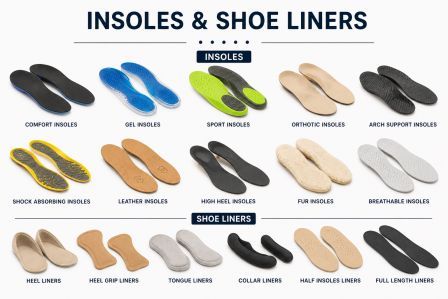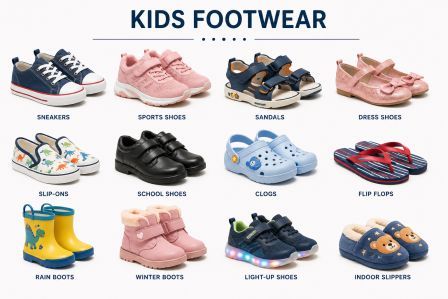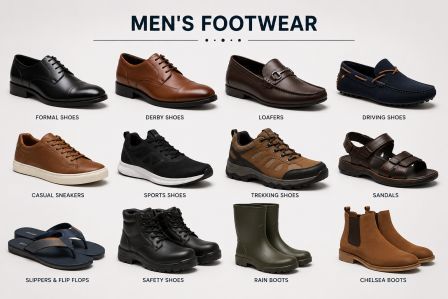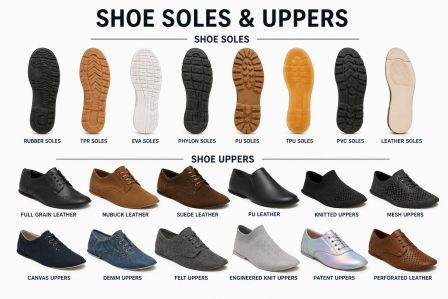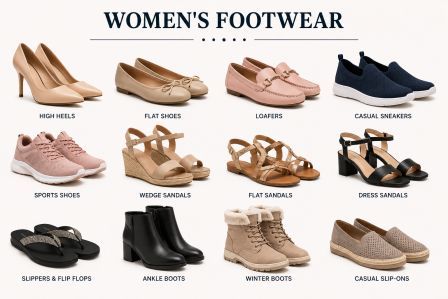
India is the world's second-largest footwear producer, manufacturing around 2.5 billion pairs annually and exporting over $2 billion in footwear and shoe components. The main clusters: Agra in Uttar Pradesh for leather footwear, Chennai and Ambur in Tamil Nadu for leather shoes supplied to European brands, Delhi NCR for fashion and casual footwear, Mumbai for volume production. Indian manufacturers supply men's, women's, and children's shoes to retail buyers, wholesale distributors, and private label brands across the Middle East, Europe, Africa, and Southeast Asia. Shoe parts and components - soles, uppers, insoles, laces, and packaging - go to footwear factories in Bangladesh, Vietnam, and other manufacturing countries that source Indian components for integration into finished shoes.
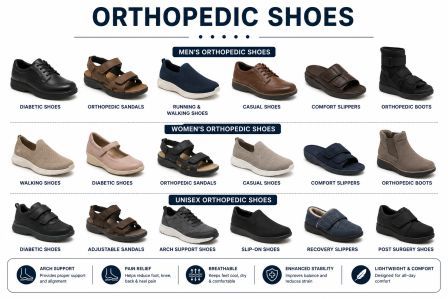
Leather footwear is where India's export reputation is most established. Chennai-area manufacturers supply European footwear brands as contract producers - Italian, Spanish, and German brand labels sit on shoes made in Tamil Nadu factories, and that's been the case long enough that the quality expectations on both sides are understood. Agra supplies leather shoes to the mid-market and value segment across the Middle East and Africa. Orthopedic shoes are a distinct subcategory: Indian manufacturers produce to prescription specifications and export customised orthopedic footwear to clinics, hospitals, and rehabilitation equipment distributors in Europe and the Middle East. Shoe soles and uppers from Indian component manufacturers are a consistent export to footwear factories in Bangladesh and Vietnam that source components internationally rather than producing them domestically.
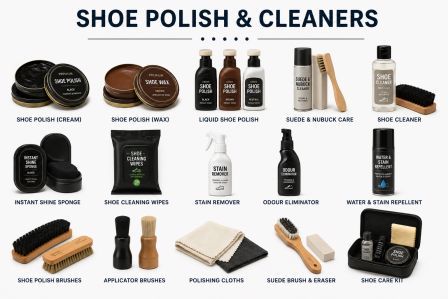
REACH compliance for restricted substances - chromium VI, azo dyes, formaldehyde, phthalates in synthetic materials - is the primary regulatory requirement for footwear going into EU and UK markets. Children's footwear needs additional mechanical safety and chemical content testing under EN 13637 and REACH. Orthopedic shoes going to EU markets may need CE marking as medical devices depending on the level of medical claim - clarify this with suppliers before ordering, not after. Leather footwear buyers sourcing for EU markets should request LWG-certified tannery documentation in the supply chain. Shoe polish and cleaners need REACH compliance for chemical content. Use the enquiry function to specify materials, size runs, last specifications, and destination market requirements before sampling - footwear sampling takes longer than most categories and getting the specifications right at that stage saves significant time on both sides.