-
-
-
-
-
-
-
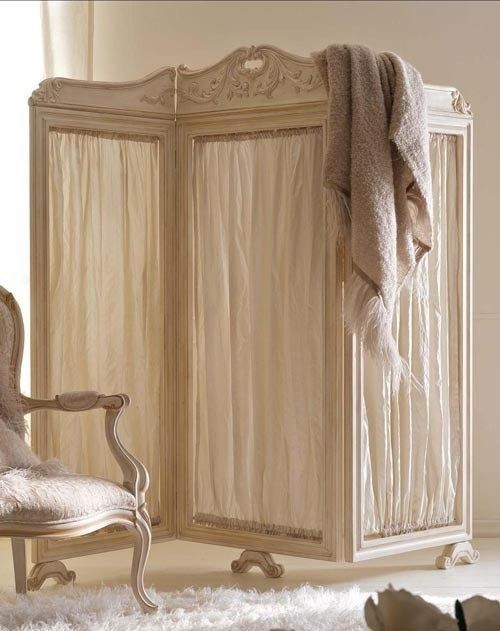
Vintage Folding Screens
Jaipur, Rajasthan, India
Wooden folding screens with intricate designs, used as room dividers or decorative elements.
Shipping Information
Exporter details revealed after verified importer registration
Vintage wooden folding screens from Jaipur combine hand-carved panel construction with intricate jali (lattice) work, used both functionally as room dividers and decoratively as standalone statement pieces. Jaipur's Kishanpole Bazar has supplied hand-carved wooden furniture for generations, and jali lattice carving specifically is one of Rajasthan's most recognized architectural and decorative craft techniques, giving folding screens genuine depth in the fine, perforated detailing that distinguishes this piece from simpler solid-panel furniture. For interior designers, hospitality buyers, and vintage furniture retailers sourcing vintage folding screens Jaipur direct, this means access to authentic Rajasthani craftsmanship backed by export documentation.
| Attribute | Details / Value |
|---|---|
| Wood Type | Teak, sheesham, or rosewood, specify per order and budget |
| Panel Configuration | 3-panel, 4-panel, 5-panel or more, specify per order |
| Carving Style | Jali lattice work, haveli-style ornate, geometric, floral motifs, specify per design |
| Finish | Natural wood polish, antique distressed finish, specify per aesthetic preference |
| Panel Construction | Solid carved panel, open jali lattice, combination of solid and lattice sections, specify per order |
| Hinge Type | Traditional brass hinges, specify per design requirement |
| Size Range | Standard floor-to-ceiling and decorative accent sizes, custom dimensions available |
| Customization | Custom carving pattern, panel count, size, and finish available for luxury and bespoke orders |
| Packaging | Wooden crating with protective wrapping for transit, panel disassembly for shipping efficiency, specify per order |
| HS Code | 9403.60 (other wooden furniture), confirm with CHA |
A 3-panel carved wood folding screen suits smaller decorative applications or accent placement where full room division isn't the goal, and it's generally more affordable given fewer carved panels. 4-panel and larger configurations provide genuine room-dividing function and a more substantial visual presence, better suited to open-plan spaces or hospitality settings needing actual spatial separation rather than decorative accent alone.
Jali (lattice) work creates an open, perforated pattern that lets light and airflow pass through while still providing visual separation, historically used in Rajasthani architecture for exactly this dual function. This suits buyers wanting a screen that divides space without fully blocking light or creating a closed-off feel. Solid carved panels provide complete visual privacy and a more traditional heavy furniture presence, suited to buyers prioritizing full room division over light-filtering aesthetics.
Jali lattice carving is one of Rajasthan's most distinctive and recognized craft techniques, historically used throughout the region's palace and haveli architecture, and Jaipur's Kishanpole Bazar artisan network carries this specific carving expertise into furniture pieces like folding screens. This depth in perforated lattice work, alongside the region's broader solid-panel carving tradition, gives Jaipur genuine specialization in exactly the fine detail work folding screens depend on for their visual character.
Wooden crating with protective interior padding for folding screen export, with panels often shipped disassembled or flat-packed to improve container space efficiency and reduce breakage risk during transit. Custom carving patterns, panel count, jali density, and finish available for buyers building a bespoke collection.
Certificate of Origin, quality inspection reports available per batch on request, wood sourcing documentation available on request for buyers requiring sustainability compliance.
Jali refers to intricate lattice carving that creates an open, perforated pattern, historically used in Rajasthani architecture to let light and airflow through while still providing visual separation. It's one of the region's most distinctive craft techniques, well suited to folding screens that need to divide space without fully blocking light.
3-panel screens suit smaller decorative or accent placement at a more affordable cost. 4-panel and larger configurations provide genuine room-dividing function and a more substantial presence, better suited to open-plan spaces or hospitality settings needing real spatial separation.
Panels are often shipped disassembled or flat-packed to improve container space efficiency and reduce breakage risk during transit, then reassembled with the traditional brass hinges upon arrival. Confirm your preferred shipping configuration when ordering.
MOQ varies based on carving complexity, panel count, and whether the order uses existing designs or requires custom development. Confirm the current minimum for your specific requirement directly.
Other wooden furniture, including folding screens and room dividers, generally falls under HS code 9403.60. Confirm the exact classification with your customs broker before the first shipment.
Connect with EXP01003 and thousands of verified Indian exporters on Navi Exports