Bengaluru, Karnataka, India
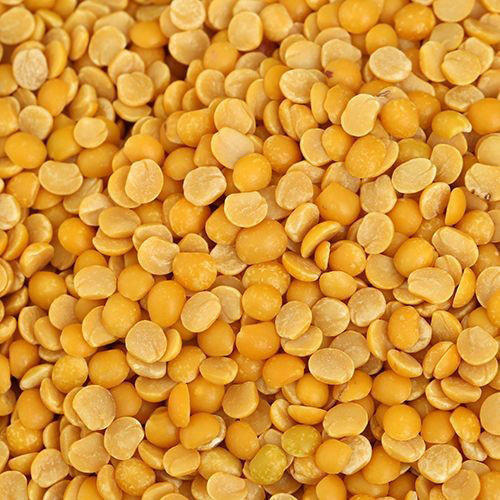
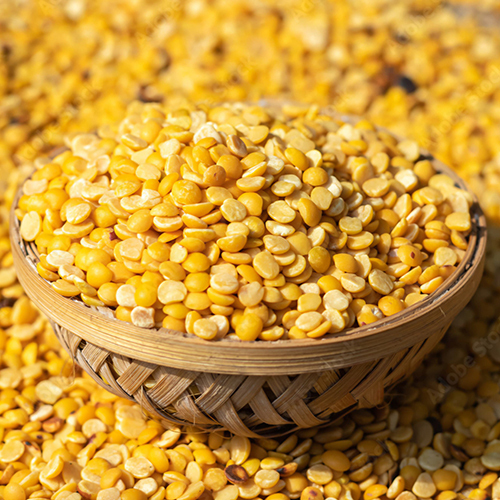
Unpolished natural toor dal, minimally processed with no oil or colour polish, supplied from Bengaluru, India. Sourced from Karnataka’s tur belt for health food brands, natural food retailers and export distributors.
Shipping Information
Exporter details revealed after verified importer registration
Unpolished natural toor dal is split pigeon pea that has been cleaned, hulled, and split, but not finished with oil, water, or colour polish. It looks plainer than the glossy dal on supermarket shelves, with a matte, natural surface, and that is what health-focused and natural food buyers want. Karnataka is India's leading tur-growing state, and most of its crop comes from the Kalaburagi region. Sourcing, packing, and export coordination for this product is handled from Bengaluru. Supply is available in bulk and retail packs for importers, natural food brands, and distributors.
| Attribute | Details |
|---|---|
| Product | Unpolished Toor Dal (Split Pigeon Pea) |
| Botanical Name | Cajanus cajan |
| Processing | Cleaned, hulled, and split, no oil or colour polish |
| Appearance | Natural matte yellow, uneven shade between lots is normal |
| Sourcing Region | Karnataka tur belt, Kalaburagi region |
| Moisture | Per buyer specification, test report on request |
| Purity | Foreign matter, broken and damaged grain limits per specification |
| Residue and Contaminants | Pesticide residue and colour agent test on request |
| Packaging | Retail packs, 5 kg to 50 kg bags, bulk bags, specify per order |
| Customization | Size grading, pack size, and private label packaging for bulk orders |
| HS Code | 0713.60 (pigeon peas, dried, shelled), confirm with CHA |
Many commercial toor dal lots are polished with oil or water to give a bright, uniform look, and some dishonest sellers add colour agents to improve appearance. Unpolished dal skips this step. The grains look duller and less even, which is a sign of honest processing and not a defect. Buyers should educate their customers on this, so a plain appearance sells as a feature and not as poor quality.
Because appearance cannot prove that no colour agent was added, ask for a laboratory test for artificial colours, and request a declaration from the supplier that no polishing agents are used. For natural food brands, this testing is a stronger selling point than any claim printed on the pack.
Unpolished and minimally processed dal can be sold as natural, but an organic claim needs certified organic farming and processing, such as NPOP certification for India and the equivalent for the destination market. Confirm whether a given lot is certified organic before using the word on a label. If it is not certified, describe it as unpolished and minimally processed.
Toor dal is a staple source of plant protein and fibre in Indian cooking, and demand is rising among vegetarian, vegan, and health-conscious consumers abroad. Brands can present it alongside other unpolished pulses and ancient grains in a clean-label range.
Dal stored with high moisture attracts insects and mould, which becomes a serious problem during sea transit. Ask for moisture figures on every lot, the fumigation method used before shipment, and the phytosanitary certificate where the destination requires one. Clean, dry packaging in new bags protects stock on long voyages.
India has changed its export policy for pulses several times, and tur has been subject to restrictions. Before you agree on a price, confirm the current DGFT export status for pigeon peas, any quantity limits, and the documents required. A reliable supplier will tell you this at the quotation stage.
Bengaluru is the main trading and logistics center for Karnataka's pulses, with established dal mills, packers, and export handlers connected to the tur-growing districts. The dal is grown and milled in the Kalaburagi belt, and Bengaluru adds quality checking, retail packing, documentation, and shipping coordination. Ask the supplier which mill processes your lot and request its food safety certificates, since the mill carries the processing approvals.
New woven polypropylene or jute bags for bulk, vacuum or pouch packs for retail, with batch number and packing date. Private label packaging available for natural food brands.
MOQ: Confirm current minimum order quantity directly, as it depends on pack format and grading.
HS Code: 0713.60 for dried shelled pigeon peas, confirm exact classification with your customs broker.
Mode of Shipment: Sea freight in containers for bulk orders, air freight for samples.
Lead Time: Confirm lead time based on order volume, packing format, and harvest season. Fresh crop arrivals in Karnataka start from December, so lot quality and price vary through the year.
FSSAI licence, phytosanitary certificate, Certificate of Origin, lot test reports, packing list, and commercial invoice. Organic certification only where the lot is certified.
Polished dal is finished with oil or water to look glossy and even, and some lots may carry added colour. Unpolished dal is not treated, so it looks duller and more natural. Buyers should test for colour agents on any lot, whichever type they buy.
Connect with EXP01002 and thousands of verified Indian exporters on Navi Exports