-
-
-
-
-
-
-
Terracotta Planter Supplier UK
Delhi, Delhi, India
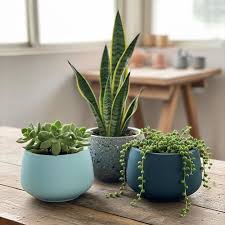
Handmade terracotta planters from Delhi’s potter community, supplied to UK garden centres, retailers, and online sellers. Natural clay, custom sizes, frost-resistant options on request, and export packing for breakage-prone loads.
Shipping Information
Exporter details revealed after verified importer registration
Terracotta planters are among the most popular garden products in the UK, valued for their warm natural colour, breathable clay, and plain good looks. This range covers handmade terracotta planters in round, square, tapered, and rimmed shapes, from small herb pots to large floor planters, with plain, ribbed, and hand-painted finishes. They are shaped by potters in Delhi, where the Kumhar Gram potters' colony in Uttam Nagar has made clay pots for generations. For UK garden centres, home and garden retailers, florists, and online sellers, this means handcrafted planters in custom sizes, packed for the long sea journey and prepared with the paperwork UK imports need.
| Attribute | Details |
|---|---|
| Product | Handmade Terracotta Planters |
| Material | Natural terracotta clay, fired in a kiln |
| Method | Wheel-thrown or hand-moulded, with hand finishing |
| Shapes | Round, square, tapered, rimmed, bowl, and hanging styles, specify per order |
| Sizes | From small pots to large floor planters, stated in cm for diameter and height |
| Drainage | Drainage hole in each pot, with matching saucers available |
| Finish | Natural unglazed, whitewashed, painted, or glazed interior, specify per order |
| Colour | Natural terracotta shades, which vary slightly between batches |
| Frost Resistance | Frost-resistant options on request, with firing and test details stated |
| Customization | Size, shape, finish, painted design, embossed logo, and packaging for retailers |
| Packaging | Nested or separated with straw or paper, double-wall cartons, palletised |
| HS Code | 6914.90 (other ceramic articles), confirm per item with CHA |
Terracotta is porous. It absorbs water, and when that water freezes inside the clay, it expands and can split the pot. UK winters are wet and cold enough to ruin poorly made terracotta, and returns from frost damage are the most common complaint on garden planters. Many UK retailers therefore ask for frost-resistant stock or sell standard pots as seasonal products.
Clay quality, firing temperature, and wall thickness matter. A pot fired at a higher temperature has lower water absorption, and thicker, evenly made walls resist stress better. Ask for the firing temperature, the water absorption figure, and any freeze-thaw test results. Do not market a planter as frost-proof without proof from tests, and give care advice such as lifting pots off the ground in winter.
If a pot is not tested for frost, say so clearly in your product listing and on packaging, and advise customers to bring it indoors or cover it in winter. Accurate claims reduce returns and complaints.
Handmade pots vary, but they should be even. Check that walls are of consistent thickness, rims are smooth, bases sit flat, and drainage holes are cleanly cut. Ask for photographs of samples from the production batch, not only the best pieces.
Natural terracotta varies from pale orange to deep red, and it can show white mineral marks on the surface after wetting. This is natural, but buyers should know about it. Include a short note for your customers, and ask the supplier to group pots by shade within each carton.
Hand-painted designs add value but should use paints suited to outdoor use. Ask what paints are used, how they are sealed, and whether they resist fading and washing. Request test reports for paints for your market.
Pots must be new and free of soil or plant residue, as soil can carry pests and diseases and is controlled at the UK border. Ask the supplier to confirm that pots are clean, stored off the ground, and packed in clean materials. Wooden pallets and crates should be treated to ISPM 15 and marked.
UK importers need an EORI number and must declare the correct commodity code and pay import VAT and any duty. Ask your freight forwarder to confirm the code and duty rate before you order. Keep the commercial invoice, packing list, and Certificate of Origin ready.
Garden products fall under general product safety rules. Check the labelling and instructions required for retail sale, including any care notes and importer details.
Terracotta is made from natural clay, can last many years, is reusable, and is easy to recycle as rubble. Handmade production supports craft communities. Firing, however, uses fuel, so avoid vague claims such as "eco-friendly" or "zero impact" unless you can back them up. UK rules on green claims are tightening, and regulators expect clear, specific, and evidence-based statements.
If you plan to make environmental claims, ask the supplier about the clay source, the kiln fuel, and any steps taken to reduce emissions. Keep records so your claims can be supported if challenged.
Terracotta is brittle. Pots should be nested with paper or straw between them, or separated with dividers for larger sizes, and packed in strong double-wall cartons. Large planters need individual protection. Ask for a drop test on a packed carton and agree how breakage claims will be handled.
Clay absorbs moisture during long sea voyages. Ask for dry containers, moisture control, and packing that keeps cartons off the floor. Plan container loads by volume, since nested pots save space but fragile sizes need extra protection.
Delhi's Kumhar Gram in Uttam Nagar is a long-established potters' colony, home to more than 700 potter families who migrated from Alwar in the late 1960s, and it supplies terracotta pots, diyas, and decorative items to Delhi and beyond. Exporters in the area coordinate the work of many households, handle finishing and packing, and ship through Delhi's airport and inland container depots to Indian ports. Buyers should visit or arrange a video walkthrough, review production samples, and confirm the capacity of the potters for large orders, since output depends on seasons and kiln schedules.
Nested or separated pots with paper or straw, double-wall cartons, corner protection, and palletised loads. Retail-ready packaging and hang tags on request.
MOQ: Confirm current minimum order quantity directly, as it depends on size, finish, and customization.
HS Code: 6914.90 for terracotta pots and planters, confirm exact classification with your customs broker. UK commodity codes may differ in detail.
Mode of Shipment: Sea freight in containers via Indian ports to UK ports. Air freight for samples.
Lead Time: Confirm lead time based on size, finish, and season, as handmade production and kiln firing take time. Weather can affect drying in monsoon months.
Commercial invoice, packing list, Certificate of Origin, fumigation or treatment evidence for wooden packing, test reports for paints on request, and pre-shipment inspection report on request.
Standard terracotta is not frost-proof. Frost-resistant options can be made with higher firing, and you should ask for firing and test details. Do not claim frost-proof without test results.
Connect with EXP01024 and thousands of verified Indian exporters on Navi Exports