Kolkata, West Bengal, India
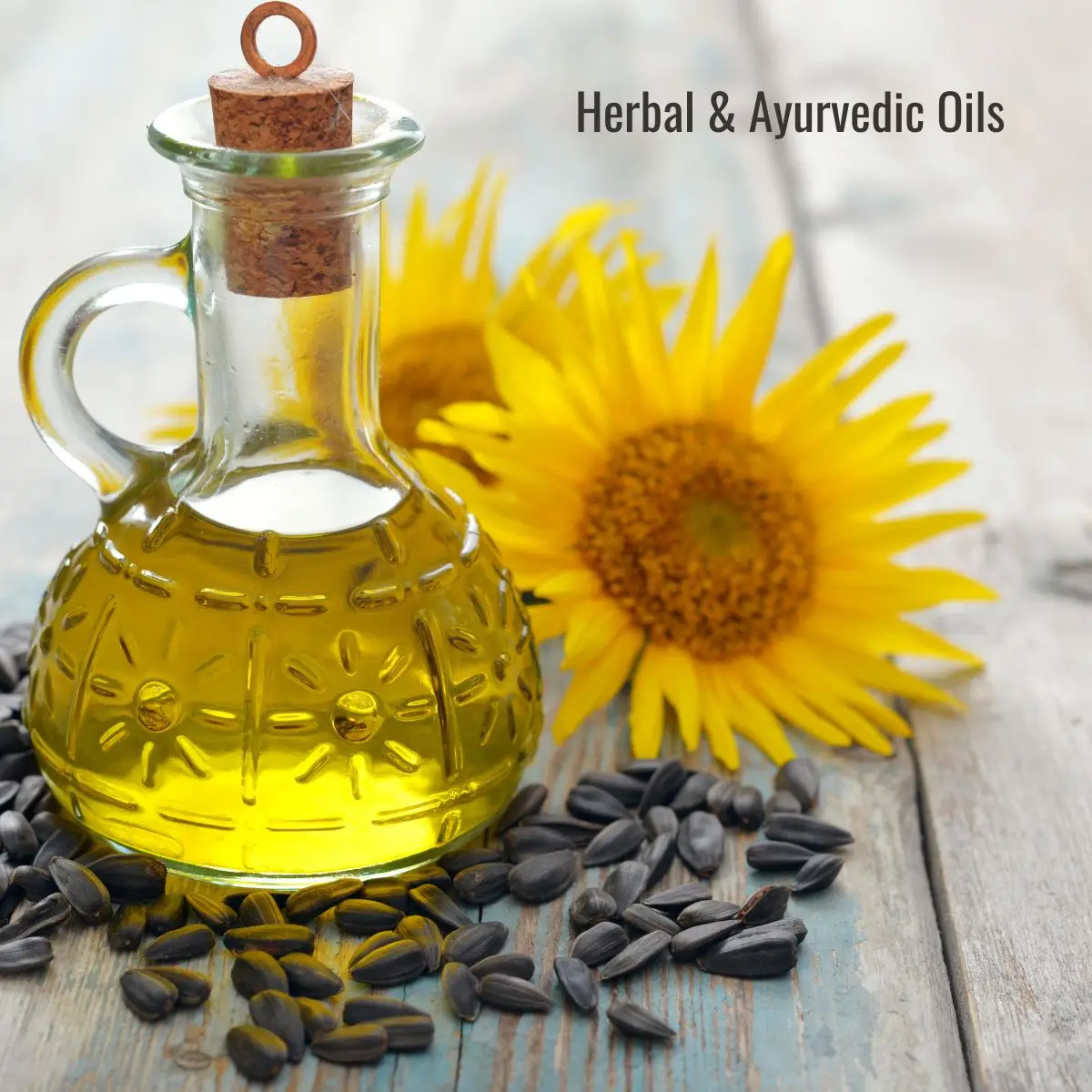
Private label Ayurvedic oil manufacturer organic range producing herbal and wellness oils for global natural beauty brands.
Shipping Information
Exporter details revealed after verified importer registration
This is contract manufacturing for brands building their own Ayurvedic or organic massage oil line, formulated and produced under an AYUSH manufacturing license rather than a generic cosmetic oil relabeled as Ayurvedic. Kerala is where this industry actually lives in India. The state's Ayurvedic tradition runs deep enough that the manufacturing infrastructure, trained formulators, and herb supply chain all sit close together, and Kochi specifically serves as the hub for South Indian Ayurvedic and spice-derived herbal products reaching export markets. One detail worth knowing upfront: China is currently the world's largest importer of Ayurvedic oil, ahead of Western markets, which says something about how far this category's demand has spread beyond where you might expect it.
| Attribute | Details / Value | Compliance / Standard |
|---|---|---|
| Base Oils | Sesame, coconut, or custom carrier oil base | Organic-certified base available |
| Herbal Actives | Ashwagandha, brahmi, bhringraj, and other classical Ayurvedic herbs per formulation | Sourced and tested per batch |
| Formulation Type | Classical Ayurvedic (medicated) or cosmetic/wellness positioning | Determines regulatory classification and HS code |
| Manufacturing Standard | AYUSH-licensed facility, WHO-GMP certified | ISO 9001, FSSAI where applicable |
| Organic Certification | NPOP-certified organic range available separately from conventional range | EU organic equivalency applies, not US NOP |
| Packaging | Glass or PET bottles, 50ml to 500ml, custom labeling and cartons | Batch-coded for traceability |
| Lab Testing | Heavy metals, pesticide residue, microbial, and identity testing per batch | NABL-accredited labs (SGS, Eurofins, Intertek) |
| HS Code | 3004.90 (medicated Ayurvedic system) or 3305/3301 (cosmetic/toiletry classification) | Classification depends on formulation and market positioning |
Kerala's Ayurvedic manufacturing base isn't a recent development built for export demand, it grew out of a genuinely continuous practice tradition, and that shows up in practical ways for a private label buyer. Formulators here understand classical Ayurvedic oil preparation, not just how to blend a fragrant carrier oil and call it Ayurvedic, and facilities holding AYUSH licenses and WHO-GMP certification are set up to produce at both the rigor a medicated formulation needs and the consistency a private label brand needs batch to batch. The state's herb supply chain, much of it grown regionally, also means formulation ingredients are sourced close to where they're processed rather than shipped in from elsewhere, which matters for both cost and quality control on an organic range specifically.
Wellness and spa brands are the most common buyer, wanting a distinct formulation under their own label rather than a generic massage oil, often specifically requesting organic-certified ranges to match a broader clean-beauty positioning. Ayurvedic and herbal wellness retailers building an international product line need AYUSH-compliant medicated formulations specifically, since this classification carries real weight with buyers who know the difference between a true Ayurvedic product and a marketing claim. Distributors serving China's growing Ayurvedic oil demand are an increasingly significant buyer group too, often looking for organic certification and complete lab documentation to support import clearance and retail positioning in that market.
A medicated formulation is manufactured under an AYUSH license following classical Ayurvedic preparation methods and is classified under HS code 3004 as a medicament. A cosmetic or wellness-positioned oil uses similar ingredients but is formulated and marketed under cosmetic regulations instead, classified differently and carrying different marketing claim restrictions.
NPOP has recognized equivalency with the EU's organic standard but not with the US NOP program directly. If you're targeting the US market specifically with an organic claim, separate USDA-accredited certification is typically needed rather than relying on NPOP alone.
Both are available. Many private label manufacturers hold a large library of pre-approved AYUSH formulations you can select from and rebrand, which is faster to market, or a fully custom formulation can be developed from scratch, which takes longer given formulation testing and any additional licensing steps involved.
China is currently the world's largest importer of Ayurvedic oil by volume, reflecting growing demand for traditional and herbal wellness products there. This is worth knowing since it shifts the usual assumption that Western markets are the primary demand driver for this category.
Heavy metals, pesticide residue, microbial contamination, and identity testing confirming the actual herbal actives match the formulation claim, ideally through a NABL-accredited lab like SGS, Eurofins, or Intertek. Request these reports for your specific batch rather than accepting a general product datasheet.
Connect with EXP01002 and thousands of verified Indian exporters on Navi Exports