Bengaluru, Karnataka, India
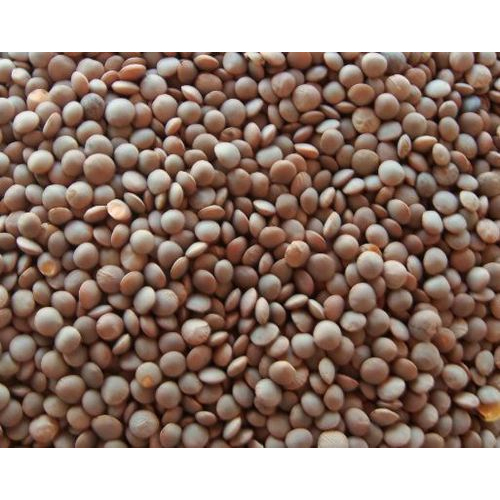
Whole masoor lentils with the seed coat on, supplied in bulk from Bengaluru, India for food distributors, processors, and global importers. Graded, cleaned, and packed to buyer specification, with lot test reports on request.
Shipping Information
Exporter details revealed after verified importer registration
Whole masoor is the lentil seed with its skin still on, cleaned and graded but not split or decorticated. The seed coat is brown to green, and the inside is red-orange, which is why whole masoor is sometimes called red lentil in trade. Skinless split lentils, sold as masoor dal or red split lentils, are a different product with a different cooking time and appearance. Madhya Pradesh is India's largest lentil-producing state, followed by Uttar Pradesh, Bihar, and West Bengal. Sourcing, packing, and export coordination for this product is handled from Bengaluru. Supply is available in bulk for distributors, food processors, and importers.
| Attribute | Details |
|---|---|
| Product | Masoor Whole Lentil (Lens culinaris) |
| Form | Whole, seed coat on, not split |
| Color | Brown to green seed coat, red-orange inside |
| Size Grading | Small, medium, or bold seed, specify per order |
| Sourcing Region | Madhya Pradesh, Uttar Pradesh, and Bihar belts, specify origin per lot |
| Moisture | Per buyer specification, test report on request |
| Purity | Foreign matter, damaged, and shrivelled seed limits per specification |
| Residue Testing | Pesticide residue test on request for destination market limits |
| Packaging | Retail packs, 25 kg to 50 kg bags, bulk bags, specify per order |
| Customization | Size grading, cleaning level, pack size, and private label packaging for bulk orders |
| HS Code | 0713.40 (lentils, dried, shelled), confirm with CHA |
Whole masoor keeps its shape better in cooking and has a firmer bite, so it suits curries, soups, salads, and sprouted dishes. It takes longer to cook than skinless split lentils, which break down quickly into a smooth, soft dal. Retail and food service buyers should choose by the end dish and make sure the product name on the pack matches what is inside.
Importers often ask for "red lentils" and expect skinless split lentils, so confirm the product form in writing. State in the purchase order whether you want whole with skin, split with skin, or skinless split, and ask for a sample before the first bulk order. This avoids rejected shipments and customs disputes over product description.
Bold, uniform seed commands a higher price and is preferred for premium retail packs, while smaller seed is common in industrial use. Ask the supplier for the grading standard and a seed size range, and compare it with your own specification, since buyers define size grades differently.
Food processors use lentils for soups, ready meals, snack production, and milling into flour for extruded snacks and bakery blends. Processors should specify cleaning level, moisture, and foreign matter limits, as these affect milling yield and finished product quality.
Lentils stored or shipped with high moisture develop mould and insect infestation, which is a common cause of claims on sea shipments. Ask for moisture results per lot, the fumigation method used before loading, and a phytosanitary certificate where the destination requires it. New, clean bags and dry containers protect stock on long voyages.
India imports significant volumes of lentils as well as exporting them, and trade policy on pulses has changed over time. Before you finalize an order, confirm the current DGFT export status for lentils and any documentation requirements with your supplier in writing.
Bengaluru is a major trading and logistics center for pulses in southern India, with established traders, packers, and export handlers who connect to supply regions across the country. The lentils are grown in India's main masoor belts in the north and central regions, and Bengaluru adds sourcing coordination, quality checks, packing, documentation, and shipping through southern ports such as Chennai. Ask the supplier which origin and which mill or cleaning plant handle your lot, and request its food safety certificates.
New woven polypropylene or jute bags for bulk, pouch packs for retail, with batch number and packing date. Private label packaging available for brands and distributors.
MOQ: Confirm current minimum order quantity directly, as it depends on grade, origin, and pack format.
HS Code: 0713.40 for dried lentils, confirm exact classification with your customs broker.
Mode of Shipment: Sea freight in containers for bulk orders, with shipment through Chennai or other major ports, air freight for samples.
Lead Time: Confirm lead time based on order volume, origin, and packing format. Lot quality and availability vary with harvest season.
FSSAI licence, phytosanitary certificate, Certificate of Origin, lot test reports, packing list, and commercial invoice. Organic certification only where the lot is certified.
Not exactly. Whole masoor has the seed coat on, which is brown to green, with a red-orange inside. In many export markets "red lentils" means skinless split masoor, which is a different product. Confirm the form you want in your order.
Connect with EXP01002 and thousands of verified Indian exporters on Navi Exports