-
-
-
-
-
-
-
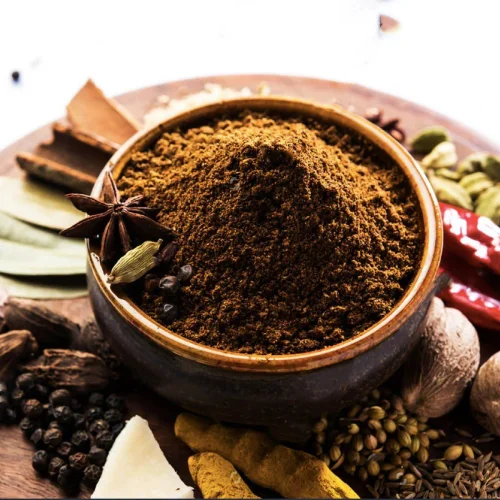
Garam Masala Blend Exporter India
New Delhi, Delhi, India
Garam masala blend for restaurants brands and bulk export supply worldwide
Shipping Information
Exporter details revealed after verified importer registration
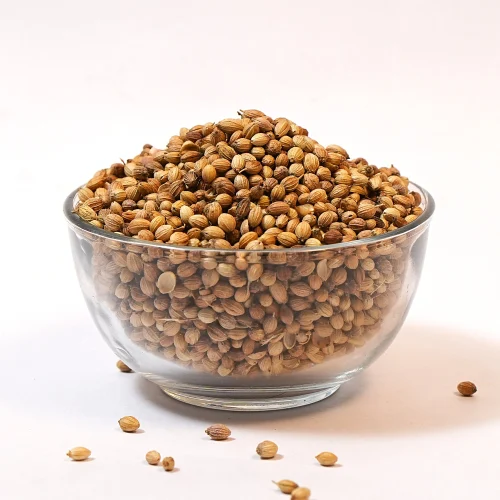
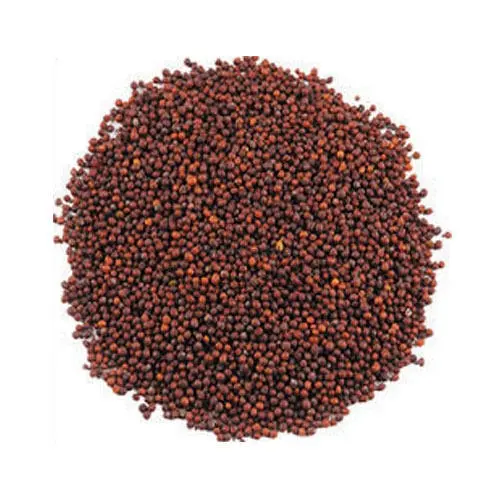
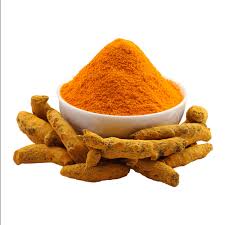
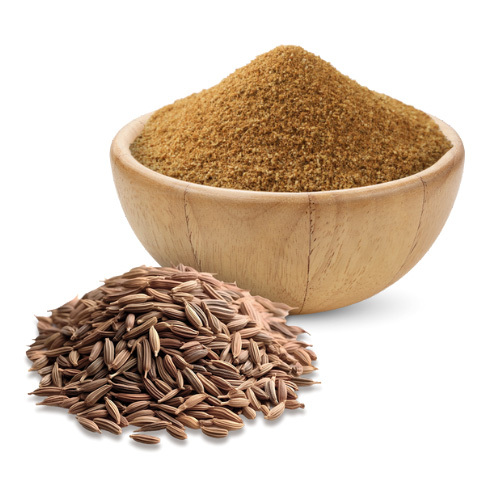
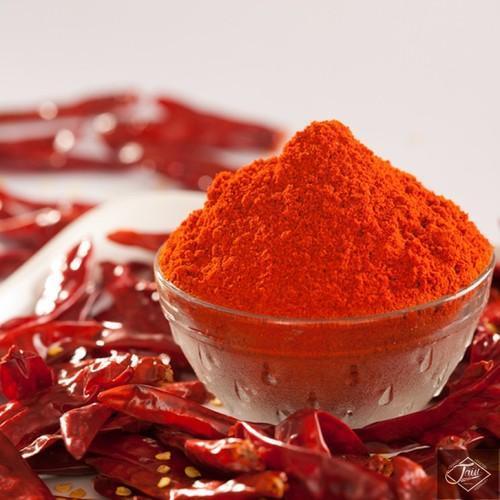
Garam masala is a dry-roasted, ground spice blend used as a finishing seasoning in Indian, South Asian, and increasingly global food manufacturing. India is the world's largest producer and exporter of spices, supplying over 200 countries and recording total spice exports of $4.45 billion in FY2024-25. Garam masala - combining warm spices like coriander, cumin, cardamom, black pepper, cloves, cinnamon, and bay leaf - is one of the most widely exported blended spice products from India, with US, UK, Germany, and UAE among the top import markets.
| Attribute | Details / Value |
|---|---|
| Blend Composition | Coriander, Cumin, Cardamom, Black Pepper, Cloves, Cinnamon, Bay Leaf, Nutmeg |
| Moisture Content | Max. 10% |
| Total Ash | Max. 8% |
| Appearance | Fine reddish-brown powder, uniform blend |
| Particle Size | 40-80 mesh standard; custom on request |
| Aflatoxin | Below 2 ppb (EU) / Below 20 ppb (US FDA) |
| Ethylene Oxide | Not detected |
| Shelf Life | 18-24 months from manufacture |
| HS Code | 0910.91 |
India grows most of what goes into garam masala domestically - coriander from Rajasthan, cumin from Gujarat, cardamom from Kerala, black pepper from Karnataka and Kerala, blended at processing facilities across the country. That domestic raw material base means ingredient traceability is cleaner, and the supply chain does not depend on third-country imports that add lead time and price risk.
Indian spice processors handling export-grade garam masala run ingredient-level testing before blending, not just finished-product testing. This is what US and EU food manufacturers need when they face FSMA supplier verification requirements or EU MRL audits - documentation that goes back to individual spice components, not just the blended output. The US imported $711 million in Indian spices in FY2024-25, up 15% year-on-year. For food manufacturers in these markets, Indian garam masala is available in standardized blends with consistent flavor profiles batch to batch.
1 kg, 5 kg, 10 kg food-grade PE-lined bags; 25 kg multi-wall export sacks. Private label and co-packing available.
FSSAI, APEDA, Spices Board Export License, HACCP, ISO 22000:2018, Organic (NPOP/NOP), Kosher, Halal on request. Per-shipment lab reports for pesticide residues, aflatoxin, and ethylene oxide.
Yes. Most exporters adjust the ratio of cumin, coriander, cardamom, pepper, and warming spices to match your flavor specification. Custom blends typically require 1 MT minimum, and a signed recipe NDA is standard before sharing formulations.
Standard export documentation includes a Certificate of Origin, Phytosanitary Certificate, FSSAI/APEDA certification, and per-shipment lab reports covering pesticide residues, aflatoxin, and ethylene oxide. EU and US buyers can request additional compliance reports at the time of order.
LCL consolidation is available for first orders, typically from 500 kg. This lets you test quality and consistency before moving to FCL pricing at 5,000 kg and above.
Production and packing takes 15-25 days from order confirmation. Sea freight from Mumbai to US East Coast runs 22-28 days; to Rotterdam or Felixstowe around 20-25 days.
Yes. Exporters can pack in your branded pouches or boxes across retail sizes (100g, 500g, 1 kg) and bulk formats. Share your artwork files and packaging brief at the time of ordering.
Connect with EXP01003 and thousands of verified Indian exporters on Navi Exports