Chennai, Tamil Nadu, India
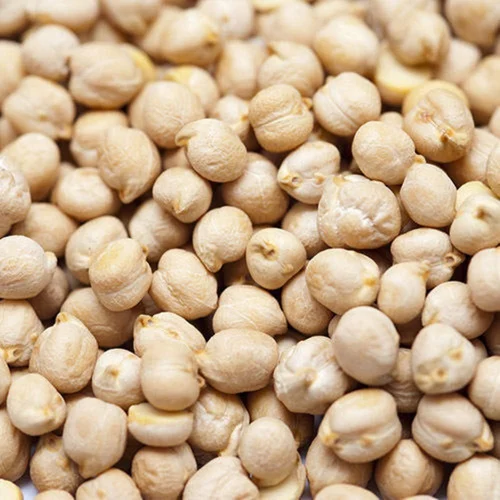
Kabuli and desi chickpeas supplied in bulk to European buyers from Chennai, India. Size graded, cleaned, and packed for sea freight, with residue testing and documentation for EU import.
Shipping Information
Exporter details revealed after verified importer registration
This is a bulk chickpea supply for European importers, packers, and food manufacturers, offered in two types: Kabuli, the large, pale beige chickpea used for hummus, salads, and canning, and desi, the smaller, darker chickpea (also sold as kala chana) used for flour, snacks, and split chana dal. India is one of the world's largest chickpea producers, with Maharashtra, Rajasthan, Madhya Pradesh, and Gujarat among the leading growing states. Sourcing, quality checks, and export coordination are handled from Chennai, with shipments loaded in containers for sea freight to European ports.
| Attribute | Details |
|---|---|
| Product | Chickpeas (Cicer arietinum), Kabuli and Desi |
| Kabuli Type | Large, pale beige, graded by size, specify per order |
| Desi Type | Smaller, darker brown, whole or split, specify per order |
| Size Grading | Kabuli by count or millimetre size, such as 42/44 or 58/60 count, specify per order |
| Cleaning | Machine cleaned and colour sorted, purity level per specification |
| Origin | Maharashtra, Madhya Pradesh, Rajasthan, Karnataka, or Gujarat, specify per lot |
| Moisture | Per buyer specification, test report on request |
| Residue Testing | Pesticide residue test against EU limits on request |
| Packaging | 25 kg and 50 kg bags, bulk bags, retail packs, specify per order |
| Customization | Size grade, purity, pack size, and private label packaging for bulk orders |
| HS Code | 0713.20 (chickpeas, dried, shelled), with separate Indian 8-digit lines for Kabuli and desi, confirm with CHA |
Kabuli chickpeas are the preferred type for European retail packs, canned chickpeas, and hummus producers, because of their size, mild flavour, and creamy texture. Buyers are paid for size and uniformity, so the grade you choose affects both price and application. Ask for a sample and a size distribution report before approving a bulk order, since different suppliers define their grades differently.
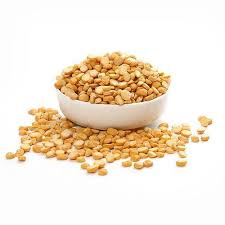
Desi chickpeas are smaller and darker with a stronger flavour, and they are used for chickpea flour, split chana dal, and roasted snacks. They are usually cheaper than Kabuli. Processors should confirm skin thickness, moisture, and foreign matter limits, as these affect milling yield.
European buyers work to maximum residue limits set under Regulation (EC) No 396/2005, and shipments that exceed them can be rejected at the border or flagged in the EU's RASFF alert system. Ask for a residue test on the exact lot against EU limits, the fumigation method used before loading, and the supplier's sourcing controls. Importers carry legal responsibility for compliance, so request test reports before the shipment leaves India.
Confirm whether your destination needs a phytosanitary certificate for the shipment, and request a Certificate of Origin in any case. Document requirements can change, so check with your importer or customs agent before you book the container.
Retail packs sold in the EU must carry the information required under Regulation (EU) No 1169/2011, including the food business operator's details. Share your label text with the supplier early, as private label packing can add to the lead time.
Chickpeas absorb moisture during long sea voyages, and condensation inside a container can cause mould and caking. Ask for dry, clean containers, desiccant or moisture-absorbing liners, and moisture readings at loading. These steps protect the cargo in transit and reduce the risk of claims on arrival.
Ask the supplier for the loading port, expected transit time to your European port, and the quantity per container. As a rough guide, a 20ft container carries around 20 tonnes of bagged pulses, but confirm the figure with your freight forwarder. Plan around the Indian harvest season, since new crop arrives from February to April and quality and price shift through the year.
Chennai is a trading and logistics center in southern India with major port access, export documentation support, and links to pulses grown in Maharashtra, Madhya Pradesh, Karnataka, and Andhra Pradesh. The chickpeas are grown in those states, and Chennai adds sourcing coordination, quality inspection, packing, and shipping. Buyers should confirm the origin and cleaning plant for their lot and request the plant's food safety certificates.
New woven polypropylene bags in 25 kg or 50 kg, bulk bags, and retail pouches, with batch number and packing date. Pallets treated to ISPM 15 where palletised. Private label packaging available.
MOQ: Confirm current minimum order quantity directly. Bulk orders are usually quoted by container load, and smaller trial lots can be discussed.
HS Code: 0713.20 for dried shelled chickpeas, confirm exact classification with your customs broker.
Mode of Shipment: Sea freight in containers to European ports, air freight for samples.
Lead Time: Confirm lead time based on order volume, grade, and packing format.
Export Policy: Confirm the current DGFT export status for chickpeas before agreeing on a price, as pulse trade policy has changed over time.
FSSAI licence, Certificate of Origin, lot test reports including residue results, phytosanitary certificate where required, packing list, and commercial invoice. Food safety certificates such as ISO 22000 on request.
Kabuli chickpeas are large and pale beige, used for hummus, salads, and canning. Desi chickpeas are smaller and darker with a stronger flavour, used for flour, dal, and snacks. Specify the type and grade in your order.
Connect with EXP01002 and thousands of verified Indian exporters on Navi Exports