-
-
-
-
-
-
-
Bulk Fresh Fruits Exporter For Supermarket Chains
Kolkata, West Bengal, India
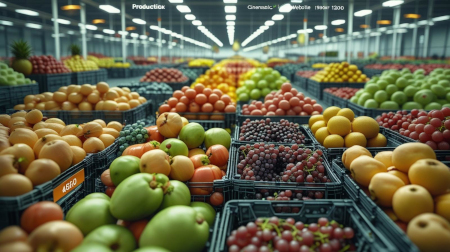
Bulk fresh fruits exporter for supermarket chains delivering commercial-grade fruits for modern retail and wholesale programs.
Shipping Information
Exporter details revealed after verified importer registration
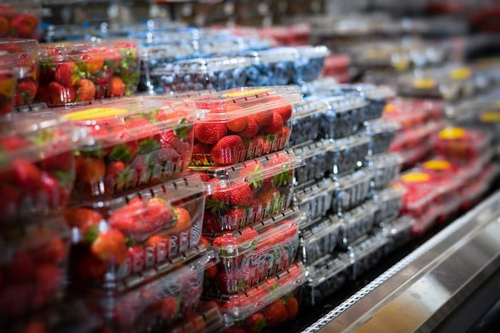
Supplying a supermarket is a different job than supplying a wholesale market. A wholesale buyer sorts and repacks the fruit themselves. A supermarket wants it sorted by caliber and color, packed into the punnet, clamshell, or flow-wrap format their shelf system uses, and delivered on a schedule that matches their replenishment cycle, not whenever a shipment happens to arrive. GlobalGAP certification, which governs farm-level growing practices, is usually the entry requirement most EU and UK chains ask for first. Many go further and expect a packhouse-level standard like BRCGS on top of it, since GlobalGAP certifies how the fruit was grown, not how it was handled, sorted, and packed afterward.
| Attribute | Details / Value | Compliance / Standard |
|---|---|---|
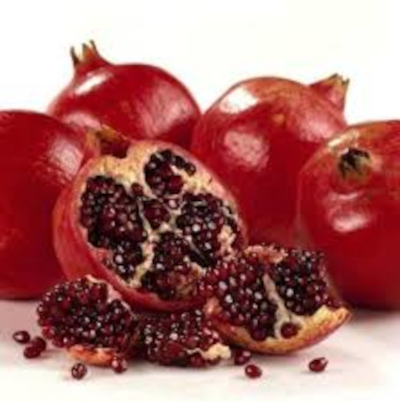
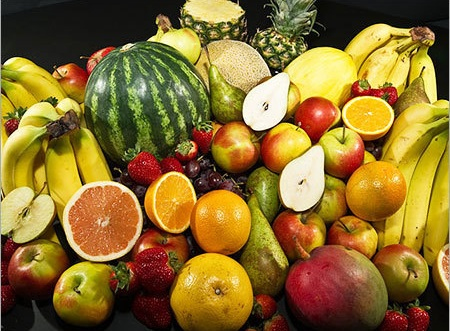
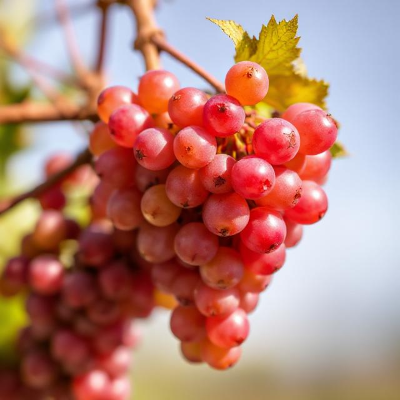
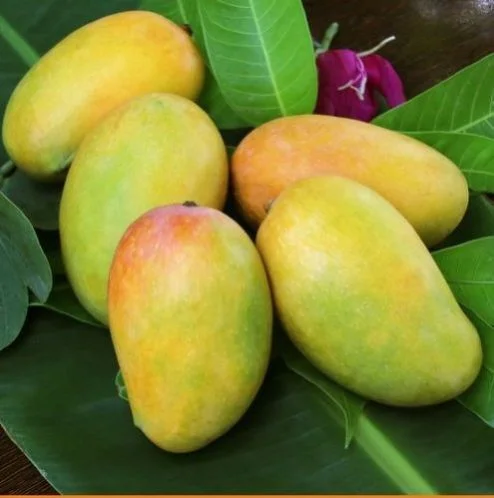
| Fruit Range | Mango, grapes, pomegranate, banana, guava, orange, per retailer's category needs | Confirmed against retailer's assortment plan |
| Sorting | Caliber-sorted and color-graded to retailer specification | Consistent shelf presentation across batches |
| Retail Packaging | Punnets, clamshells, flow-wrap, or loose in IFCO reusable crates | Format set by retailer's shelf system |
| Labeling | Barcode/PLU coding, nutrition labeling, private label branding available | Retailer-specific label templates |
| Farm Certification | GlobalGAP Integrated Farm Assurance | Entry-level standard for most EU/UK retail programs |
| Facility Certification | BRCGS for packhouse operations, available on request | Required by many Continental European retailers |
| Delivery Schedule | Fixed weekly or bi-weekly delivery slots matched to replenishment cycle | Confirmed per retailer's DC schedule |
| HS Code | Chapter 08, per fruit type | Each fruit invoiced under its own heading |
A wholesale market buyer tolerates variation, sorts it themselves, and moves fruit quickly regardless of exact presentation. A supermarket's planogram assumes uniform size and color batch to batch, because a shelf that looks inconsistent reads as low quality to the shopper even if the fruit tastes the same. That's why GlobalGAP alone often isn't the finish line for European retail specifically. GRASP, a social-compliance add-on covering labor practices, gets requested by a growing number of EU chains on top of the base GlobalGAP certificate, and BRCGS at the packhouse level covers what happens to the fruit after it leaves the farm, sorting, packing, and hygiene standards a farm-only certificate doesn't touch. Building a supply program around all three from the outset avoids the common problem of passing a farm audit and then losing a retail contract over a packhouse gap nobody checked for.
Major supermarket chains sourcing fresh produce programs directly are the primary fit, particularly chains running private-label fresh fruit lines where consistent presentation under their own brand matters as much as the fruit itself. Regional grocery chains without the volume to run a full-time sourcing team benefit from a structured supply program rather than managing multiple wholesale relationships on their own. Specialty and premium grocers occasionally use this model for a curated fruit range too, though they typically care more about variety and origin story than the strict caliber uniformity a mainstream supermarket chain requires.
Often not by itself. GlobalGAP certifies farm-level growing practices, but many EU retailers also expect a packhouse standard like BRCGS covering sorting, packing, and hygiene, plus a social-compliance add-on like GRASP. Which combination is actually required depends on the specific retailer, so confirm their exact requirement rather than assuming GlobalGAP alone covers it.
Wholesale buyers tolerate size and color variation and repack the fruit themselves. Supermarket supply requires caliber-sorted, retail-ready packaging matched to the chain's own shelf system, delivered on a fixed schedule tied to their distribution center's replenishment cycle rather than an as-needed basis.
Yes, punnets, clamshells, and flow-wrap can carry a retailer's own branding, PLU codes, and nutrition labeling rather than generic packaging. This is standard for supermarket chains running their own private-label fresh fruit range.
GRASP is a social-compliance add-on assessing labor practices and worker welfare on the farm, layered on top of the base GlobalGAP food safety and agricultural practice certificate. A growing number of EU retailers require it specifically because GlobalGAP's core certificate doesn't itself cover labor conditions in depth.
A supply program is typically set up as a contracted volume commitment across a season or year, with fixed delivery slots and agreed pricing terms, rather than negotiated fresh for each shipment. This gives the retailer supply certainty for their shelf planning and gives the supplier forward visibility to plan sourcing and packing capacity.
Connect with EXP01002 and thousands of verified Indian exporters on Navi Exports