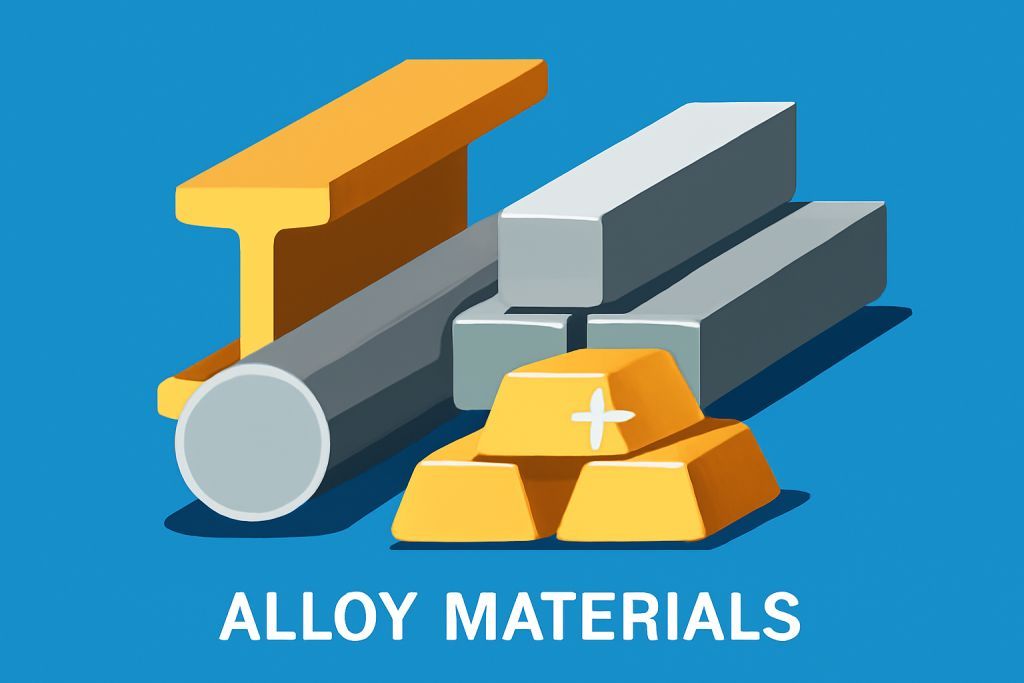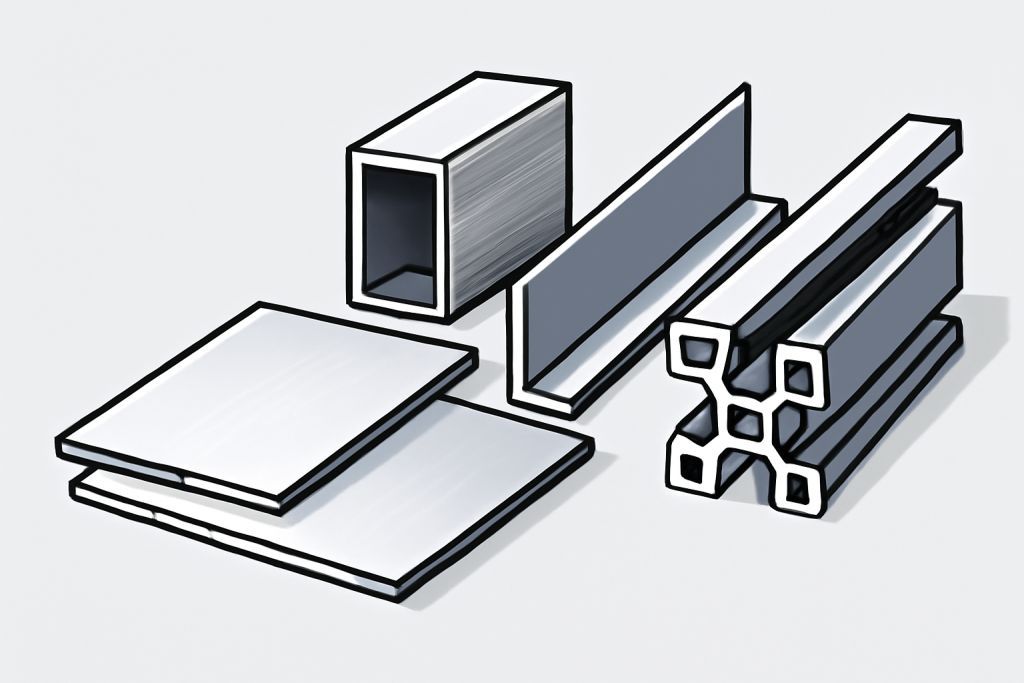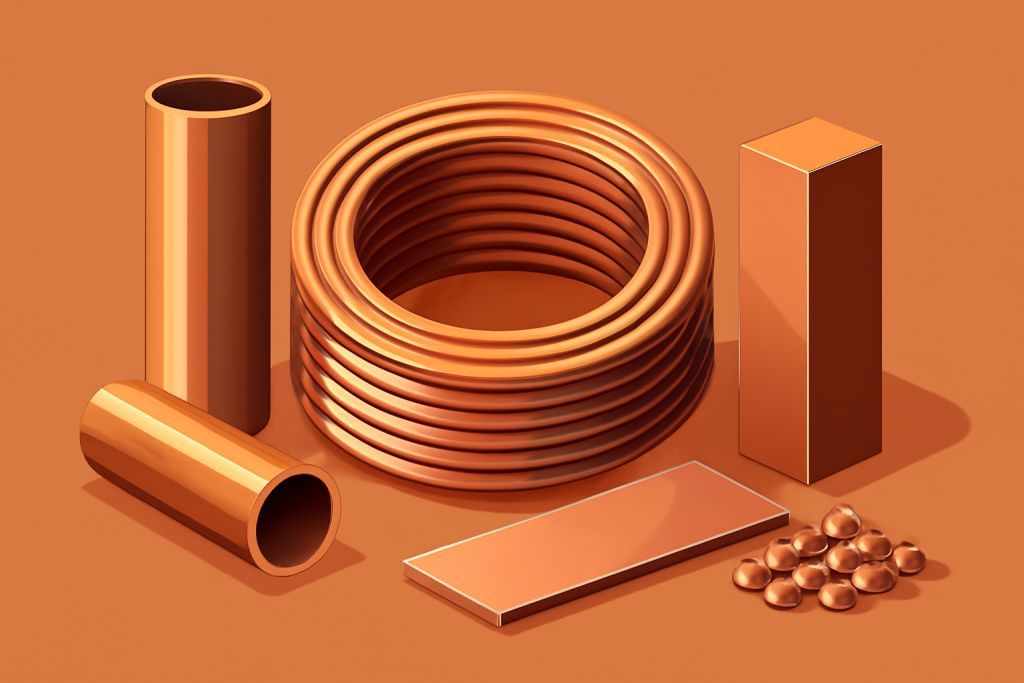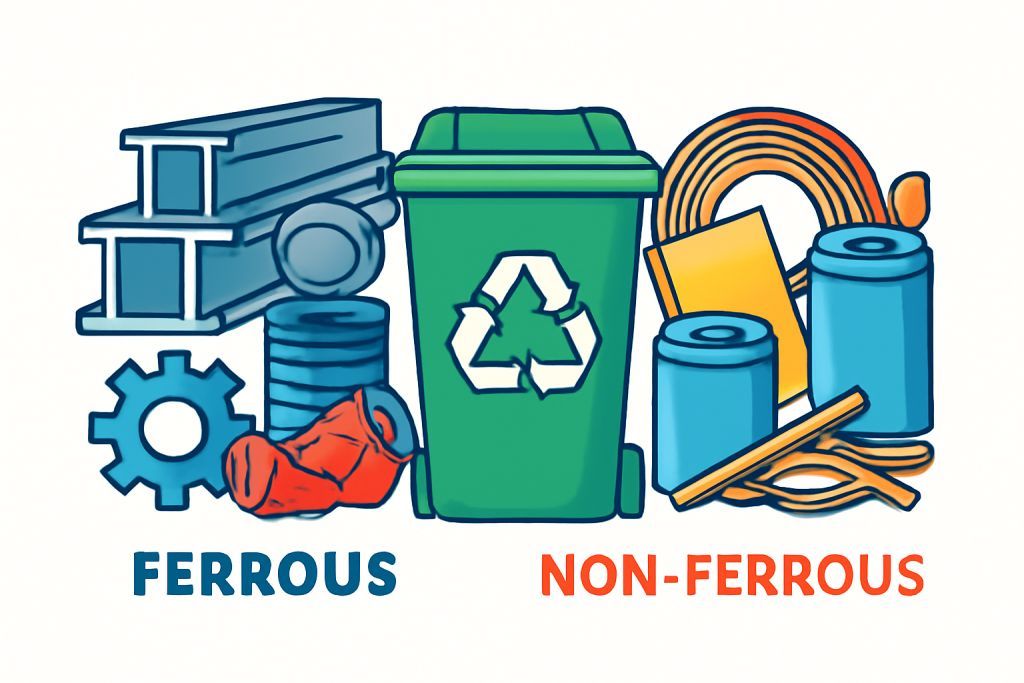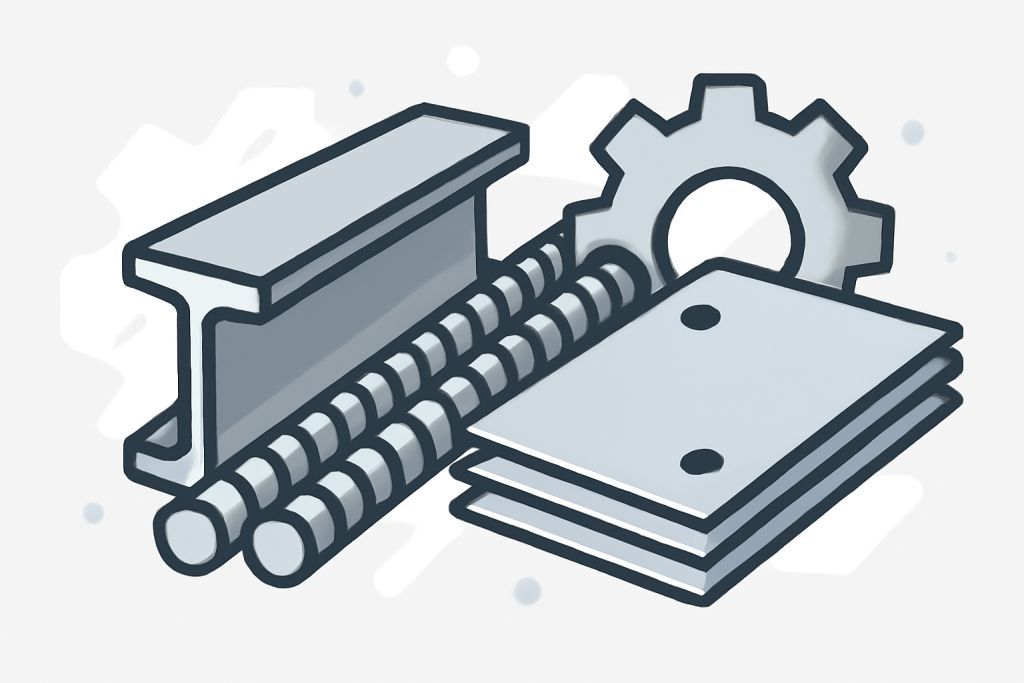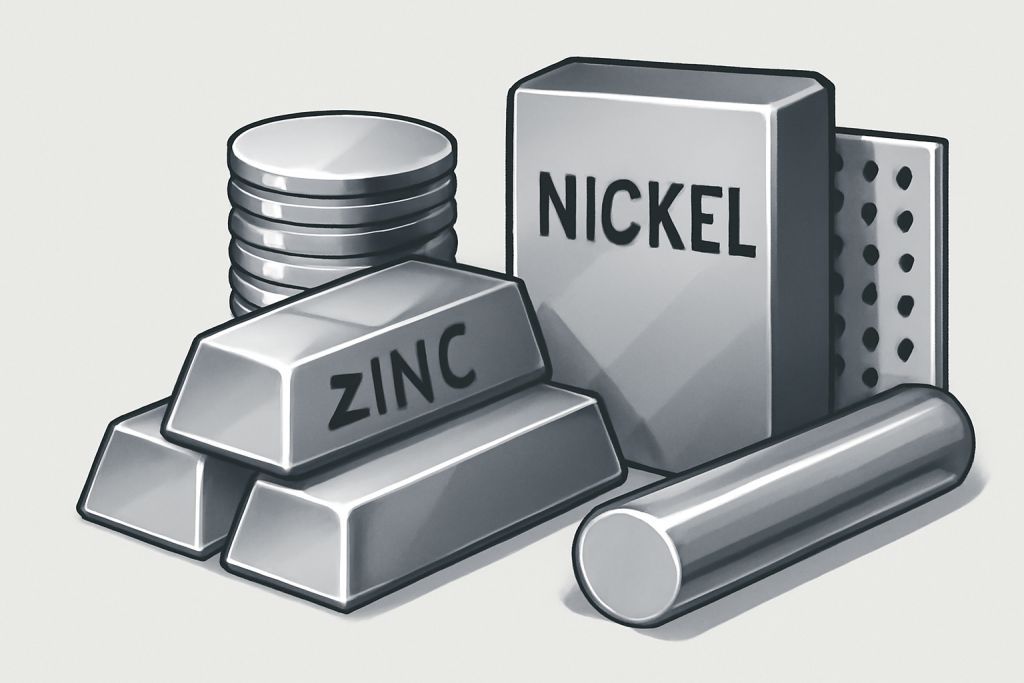
India is the world's second-largest steel producer and a major producer of aluminium, copper, and zinc. It's also one of the largest exporters of industrial minerals globally - a part of the export picture that gets less attention than it deserves. This category covers steel and iron products, aluminium products, copper products, zinc and nickel products, alloy materials, ferrous and non-ferrous scrap, ores and concentrates, industrial minerals, non-metallic minerals, and precious metals. Steel exports - flat products, long products, pipes, tubes, structural sections - go to buyers across the Middle East, Southeast Asia, Africa, and Europe. Aluminium from Odisha and Gujarat, copper from Rajasthan and Gujarat, zinc from Rajasthan's Hindustan Zinc operations: these are large-scale commodity exports with established international buyer relationships.
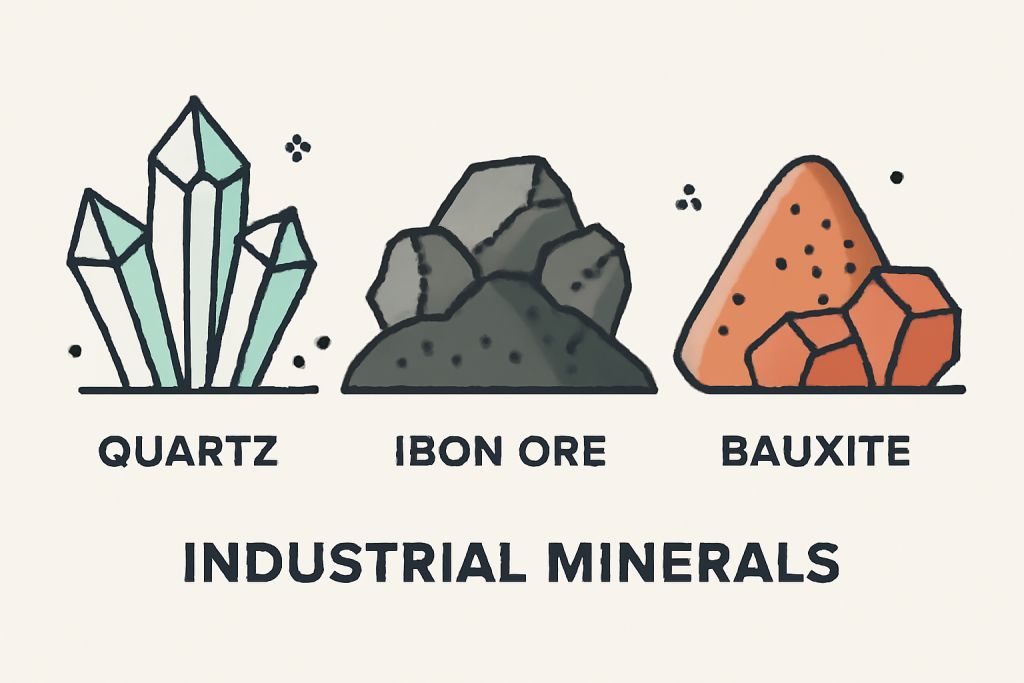
Industrial and non-metallic minerals are where India's position is less obvious but just as real. Mica, barite, talc, feldspar, silica, limestone, dolomite - Indian mineral processors export to ceramics, paint, rubber, pharmaceutical, and construction industries worldwide. Rajasthan supplies marble, granite, sandstone, talc, gypsum, and feldspar to buyers across the Middle East, Europe, and the US. Barytes from Andhra Pradesh go into oil drilling operations globally as a weighting agent in drilling fluids - a niche but consistent trade. Iron ore and other ores and concentrates are exported under regulatory frameworks that govern quantities and grades, and export policy on these changes - buyers need to verify current status with suppliers before ordering.
Documentation in this category varies sharply by product. Steel going into EU construction or structural applications needs CE marking under relevant harmonized standards. Mill test certificates, material composition reports, and third-party inspection certificates are standard for metal products going to industrial buyers - ask for these at enquiry stage, not after an order is placed. Ferrous and non-ferrous scrap exports need specific export permits under Indian government policy. Ores and concentrates carry export duties and quantity restrictions that differ by mineral type. Precious metals add another compliance layer - KYC documentation, export licences, destination-country import regulations. Specify grade, form, quantity, and destination through the enquiry function, and confirm current export policy with suppliers before committing on any regulated subcategory.