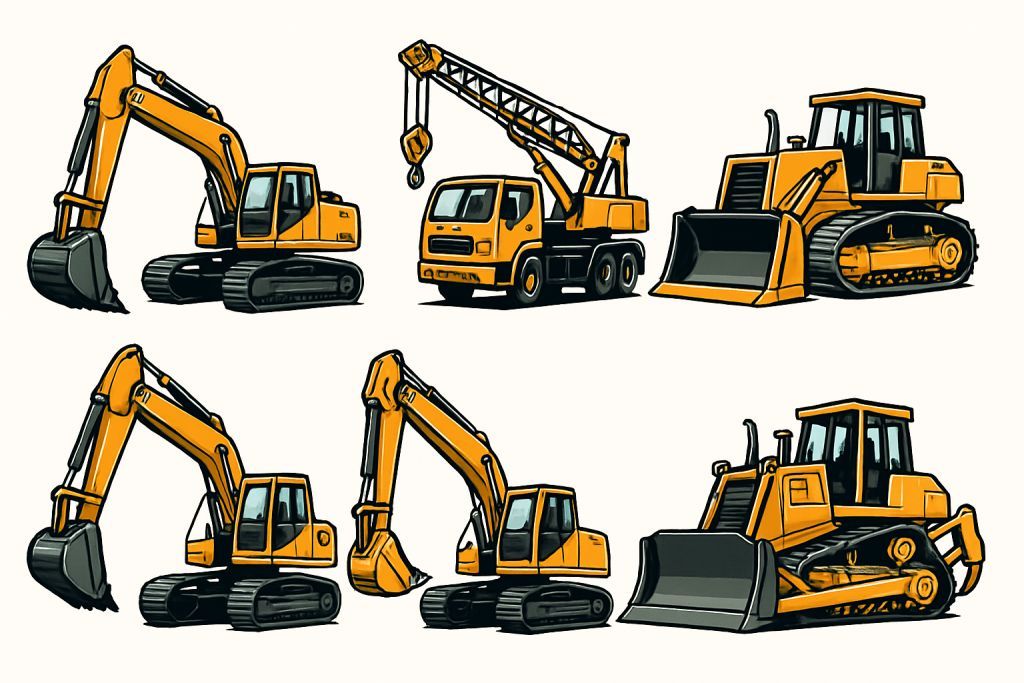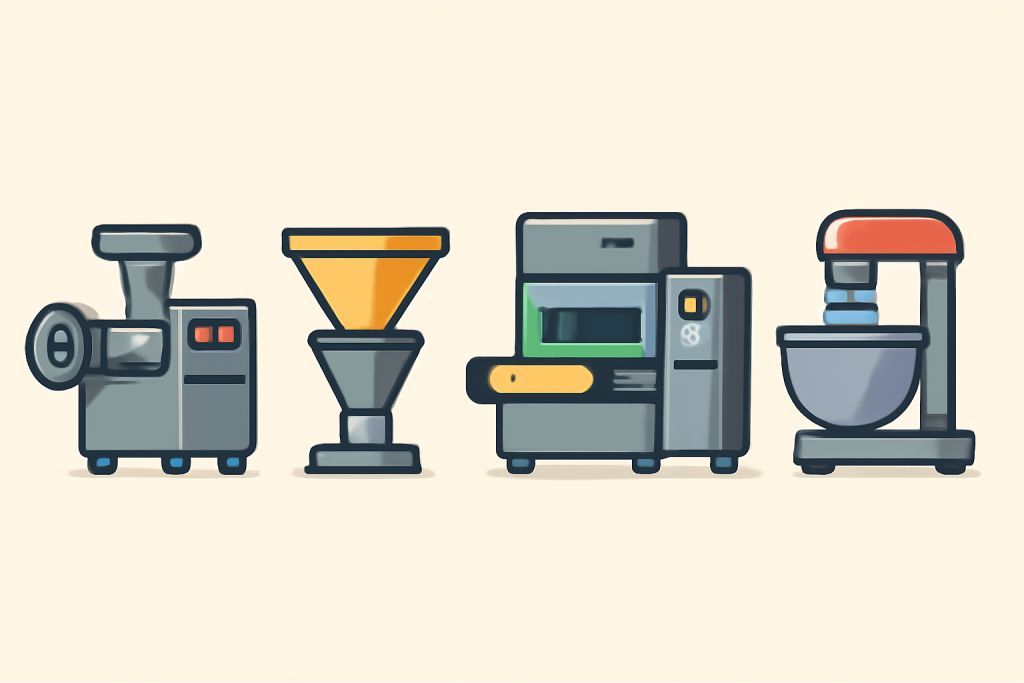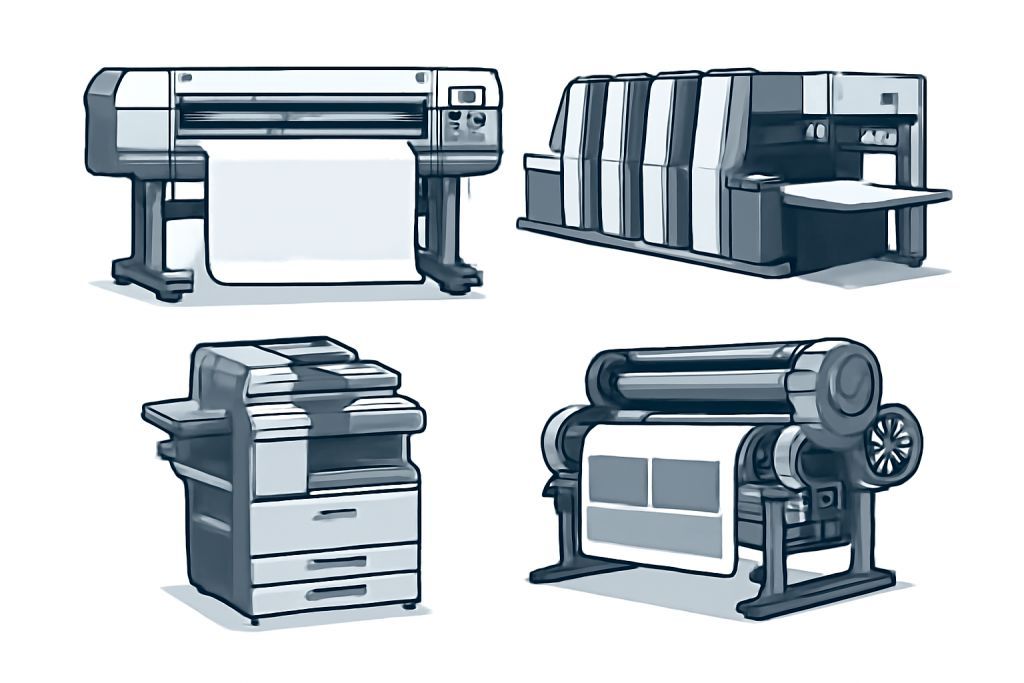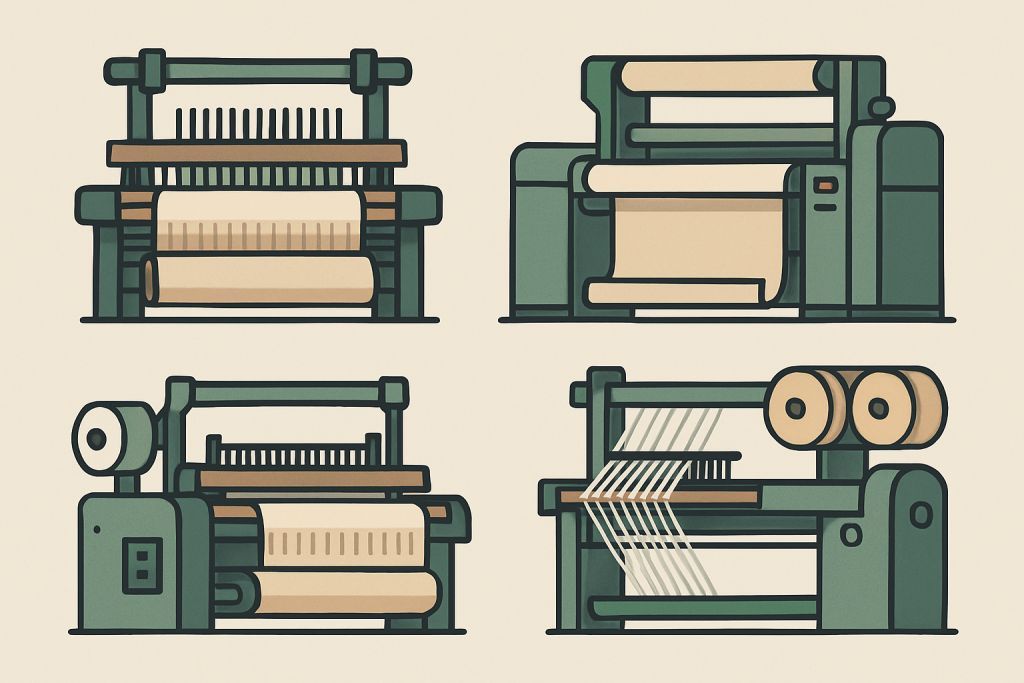
India's machinery exports crossed $20 billion in FY2024-25. The manufacturing clusters are specific: Coimbatore in Tamil Nadu for textile machinery, pumps, and wet grinders; Rajkot and Ahmedabad in Gujarat for CNC machines, plastic machinery, and agricultural equipment; Ludhiana in Punjab for agricultural machinery; Pune for pharmaceutical machinery and food processing equipment; Delhi NCR for printing machinery and industrial equipment. The subcategory range covers agricultural machinery, CNC machinery, construction machinery, food processing machinery, industrial machinery, pharmaceutical machinery, plastic machinery, printing machinery, textile machinery, and machine parts and components. Indian machinery goes to buyers in over 100 countries - this is not a niche export sector.
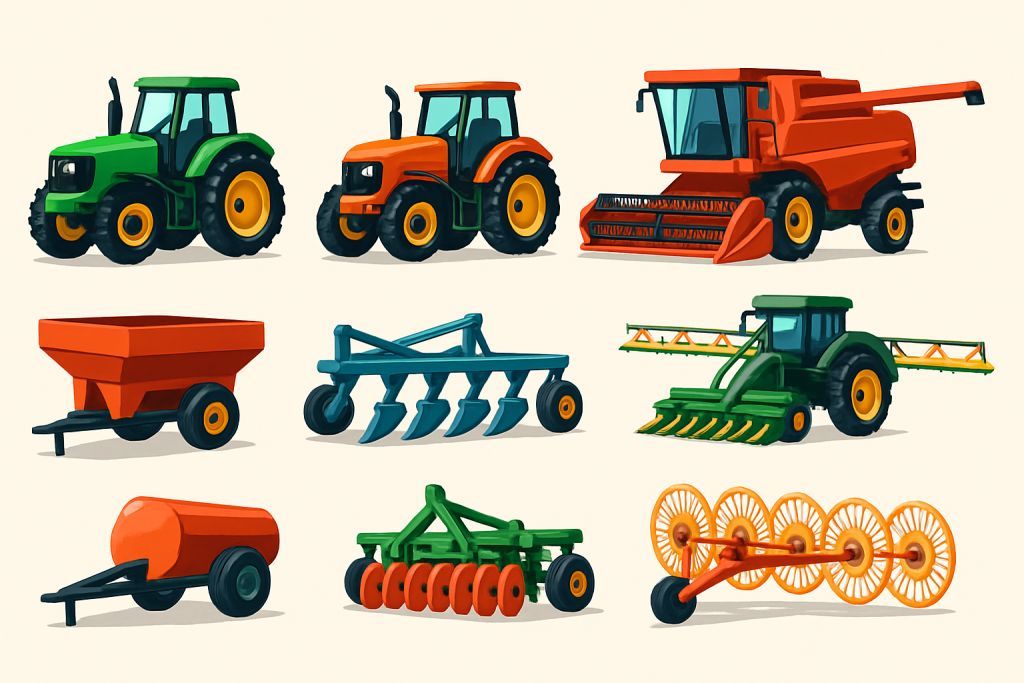
Agricultural machinery is one of the stronger categories. Tractors, power tillers, threshers, seed drills, sprayers, and irrigation equipment from Indian manufacturers - Mahindra, TAFE, and a large base of smaller Punjab and Rajasthan producers - go to buyers across Africa, Southeast Asia, and the Middle East who need reliable equipment at prices that work for smallholder farming economies. Pharmaceutical machinery from Ahmedabad and Mumbai is another consistent category: tablet presses, capsule filling equipment, and packaging lines going to pharmaceutical manufacturers globally. Indian pharma machinery has built a reputation in export markets on equipment reliability and after-sales support - buyers in regulated pharmaceutical environments have been depending on it long enough that it shows in the order volumes.
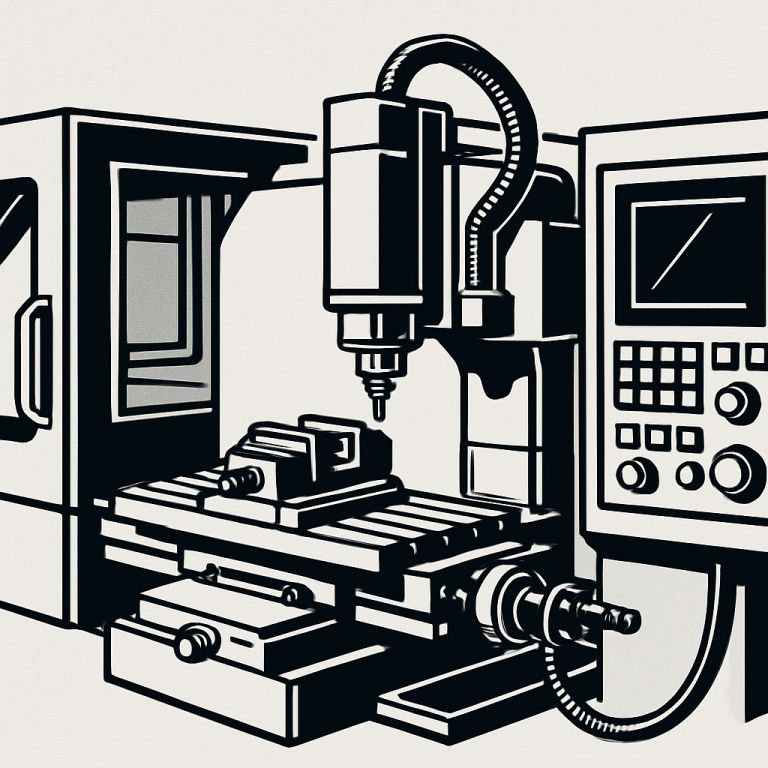
CE marking is required for EU market access on most machinery categories. For pharmaceutical machinery, GMP compliance documentation is expected by buyers in regulated markets - check supplier profiles for this specifically rather than assuming it. CNC machinery for EU buyers needs CE marking with full technical documentation. Machine parts and components need dimensional and material certificates matching the agreed specification. Voltage and frequency need confirming before any machinery order is placed - 50Hz vs 60Hz and 220V vs 110V mismatches cause real problems that are expensive to fix post-delivery. Share technical drawings and production requirements through the enquiry function, check after-sales support capability and spare parts availability on supplier profiles, and nail down lead times before committing.