India's engineering goods exports crossed $110 billion in FY2024-25 - the country's single largest merchandise export category. Hardware and mechanical components are a big part of that. Fasteners, valves, pumps, bearings, gears, cutting tools, hand tools, hydraulic and pneumatic components, seals, gaskets, springs, chains, and machine parts are manufactured and exported at serious scale. The clusters are specific: Rajkot in Gujarat is one of Asia's largest precision engineering hubs - fasteners, valves, pumps, castings. Ludhiana in Punjab dominates hand tools, bicycle chains, and hardware. Pune and Chennai handle bearings, gearboxes, and automotive mechanical components. Jalandhar produces hand tools and cutting equipment for Middle East, Africa, and European buyers.
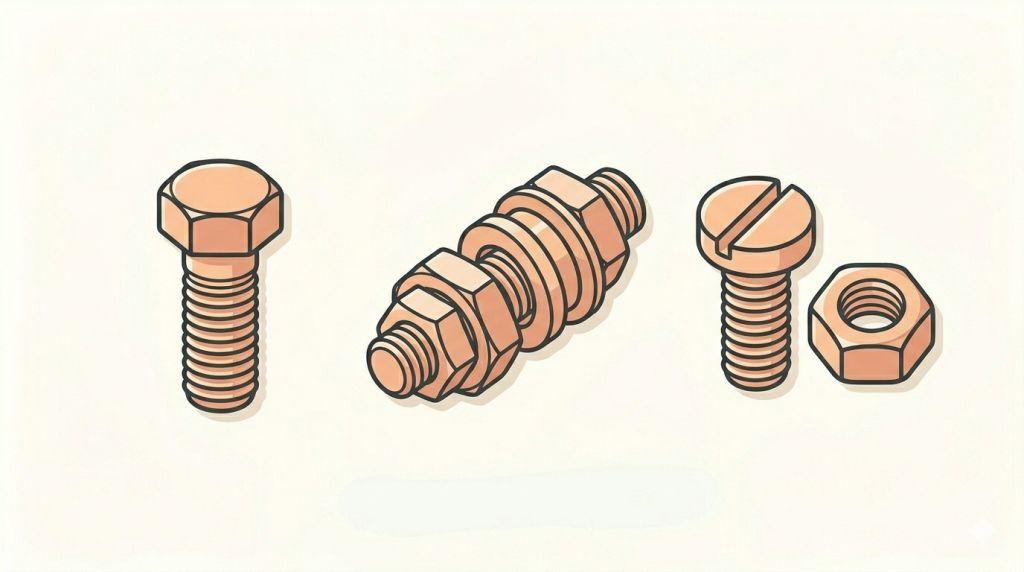
Fasteners are worth singling out. India is one of the world's top five fastener exporters. Nuts, bolts, screws, and washers out of Rajkot and surrounding Gujarat clusters go to construction, automotive, and industrial buyers across the US, Europe, and the Middle East. Indian fastener manufacturers hold DIN, ISO, ASTM, and BS certifications depending on product and destination. That certification depth runs through the broader category too - valves and fittings for process industries carry API and ISO; pumps hold IS and CE; cutting tools are graded to ISO tolerances. This is a category where established suppliers have the paperwork sorted. What buyers need to do is specify correctly upfront.
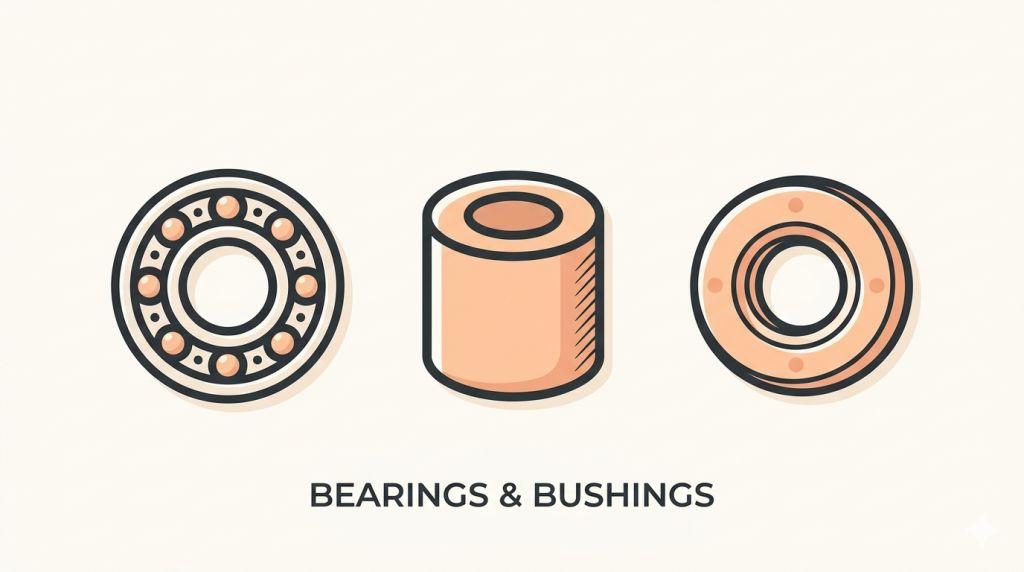
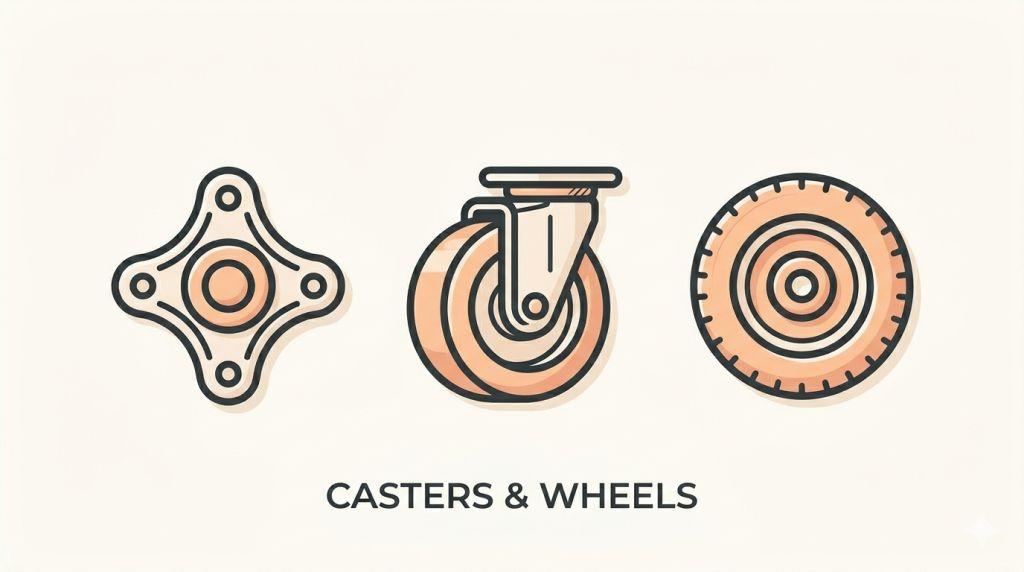
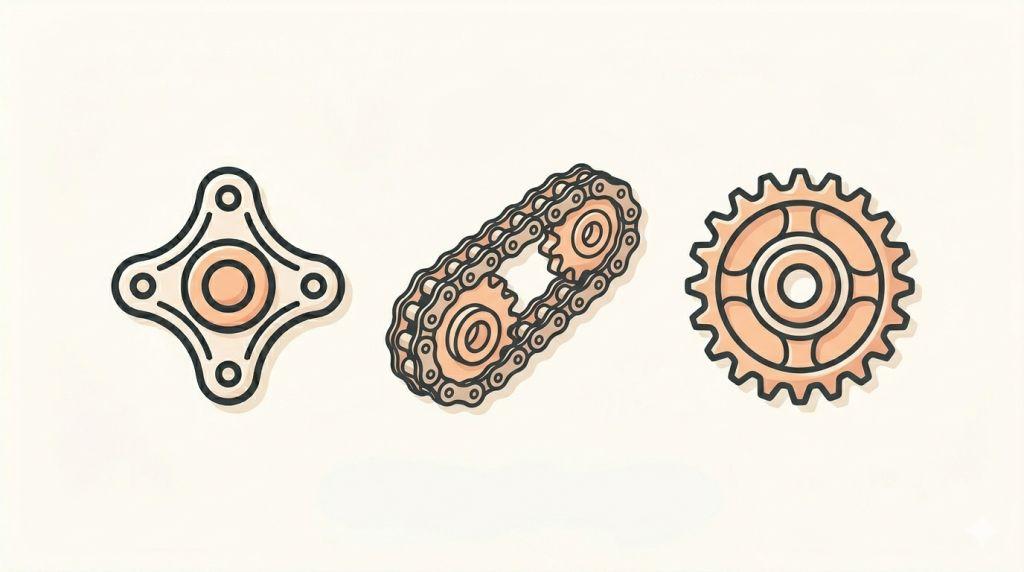
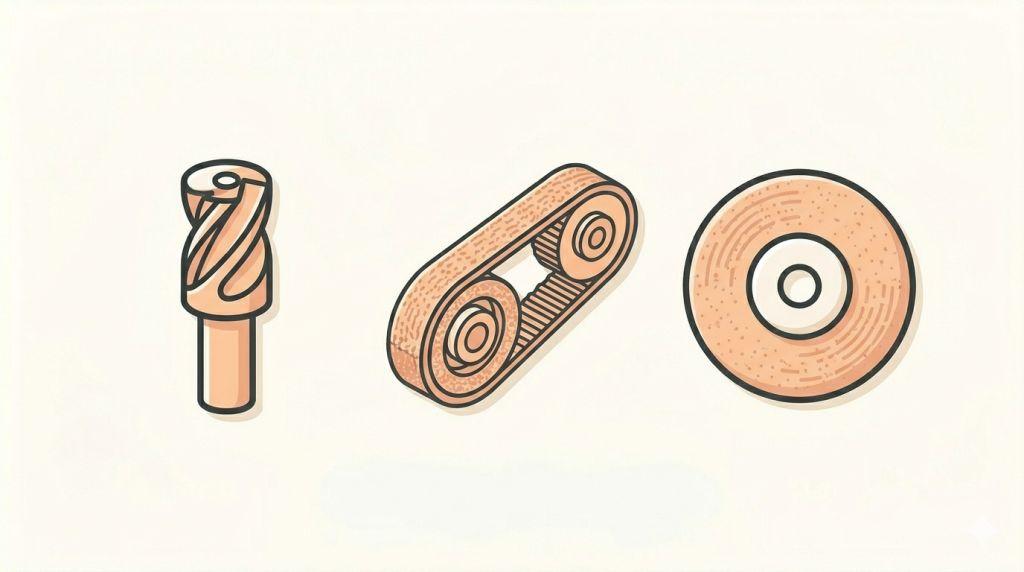
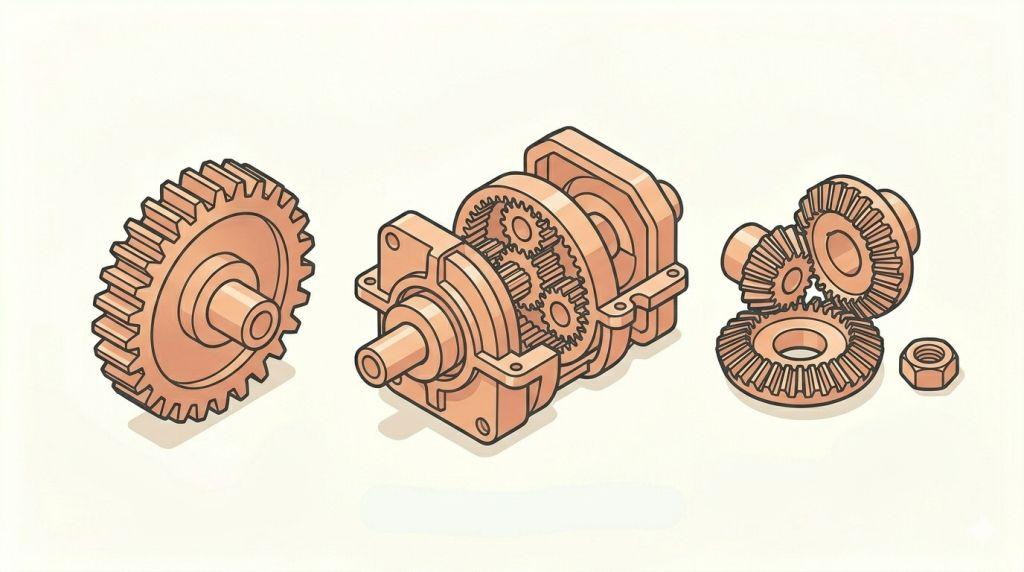
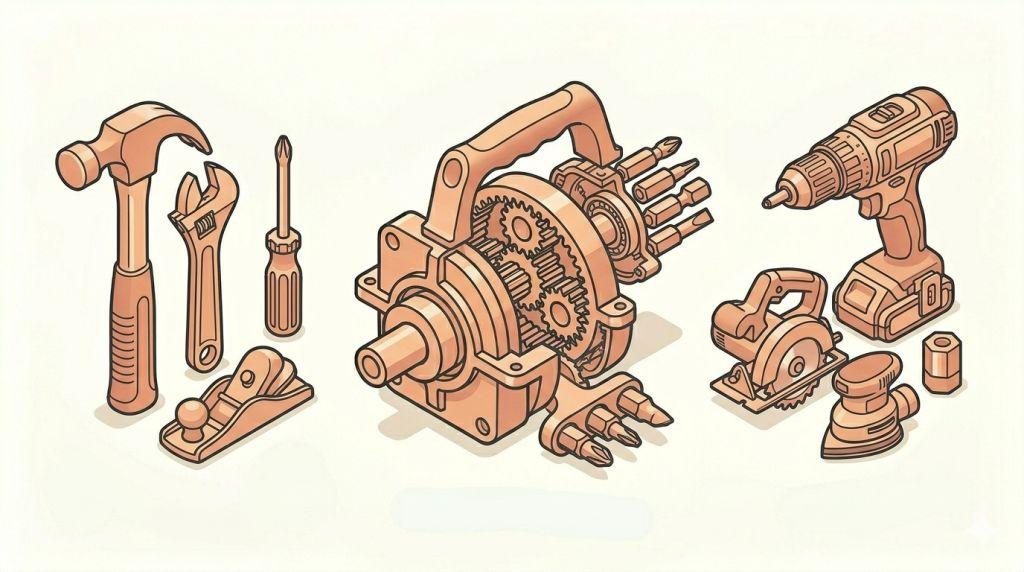
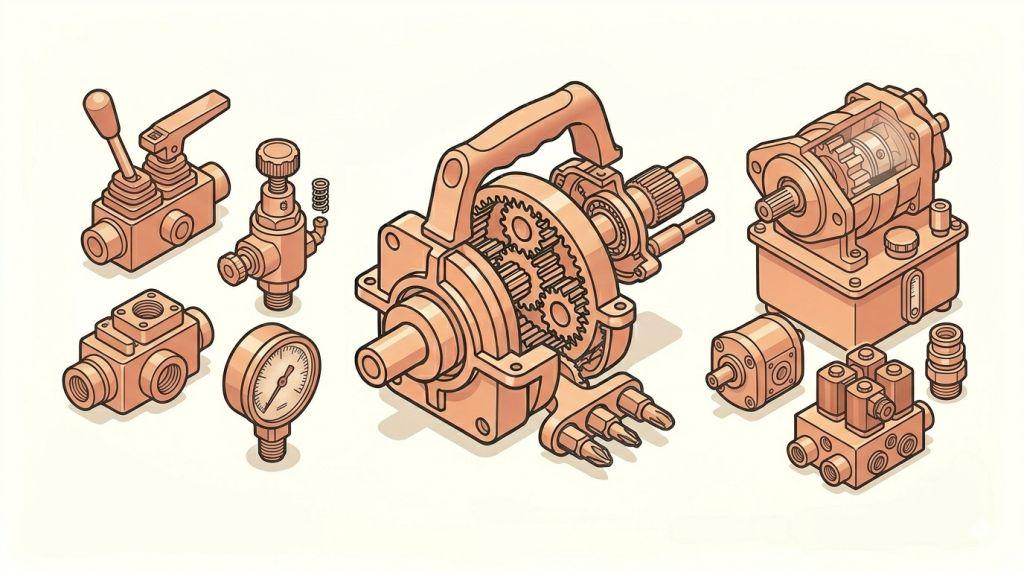
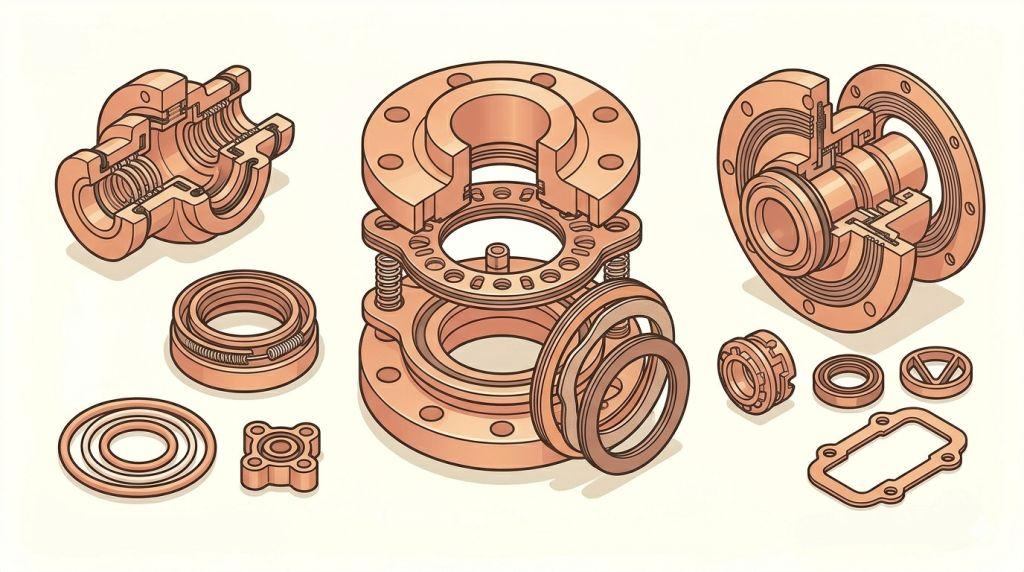
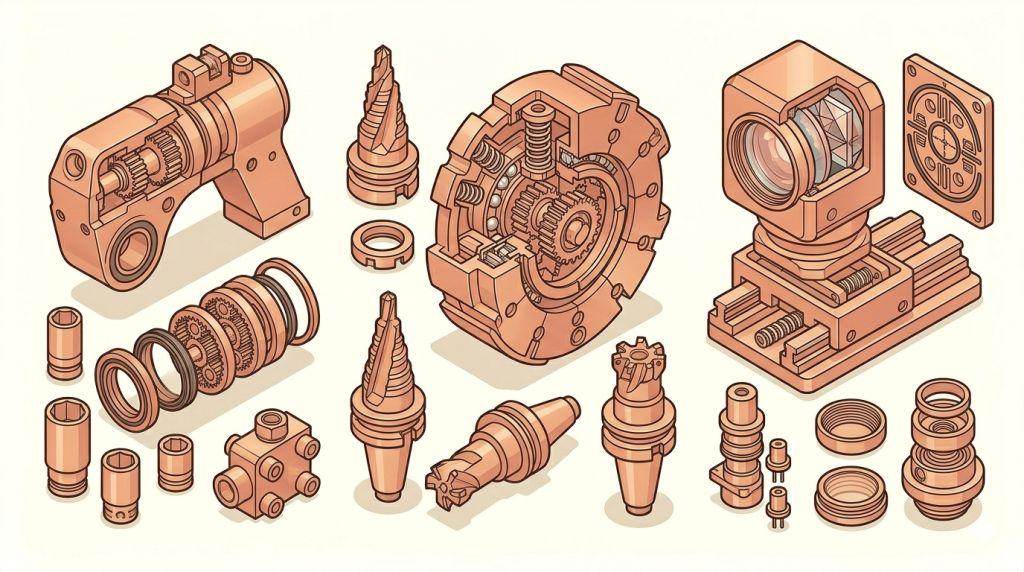
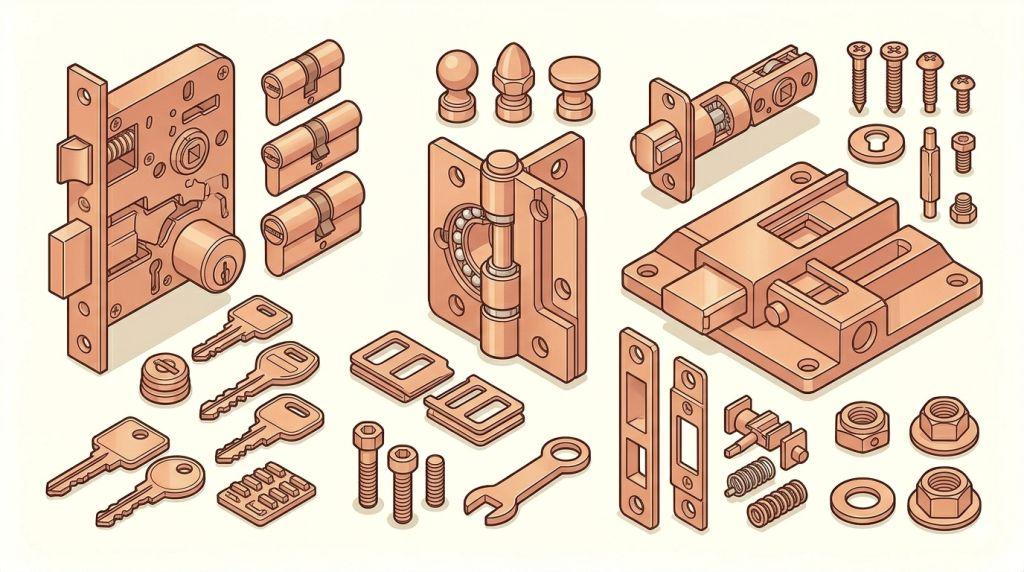
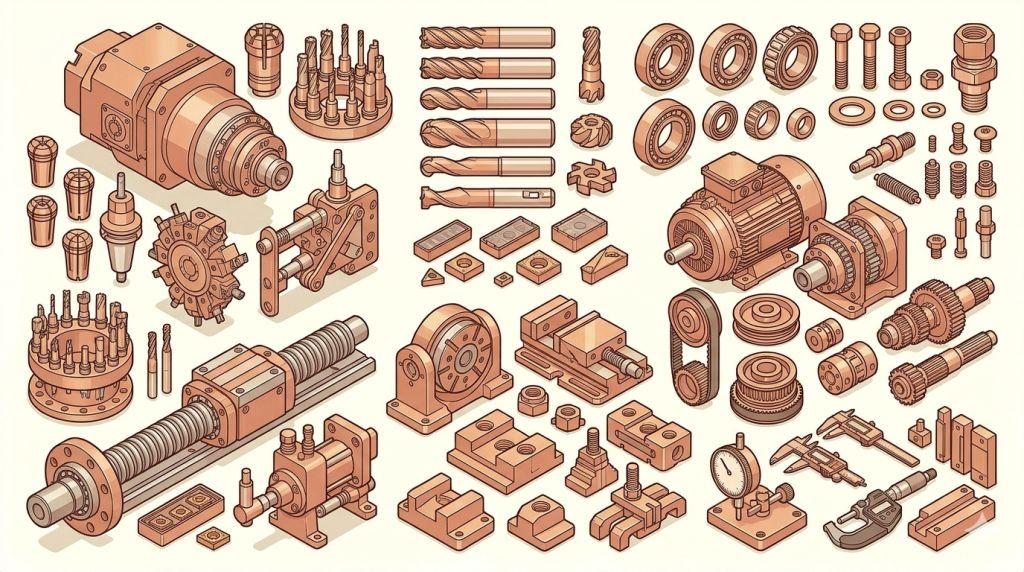
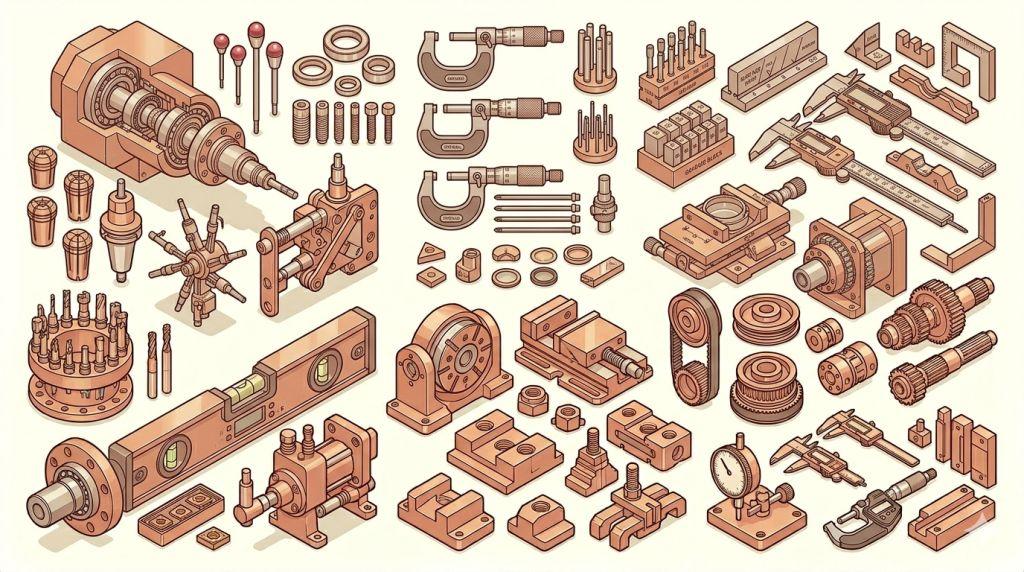
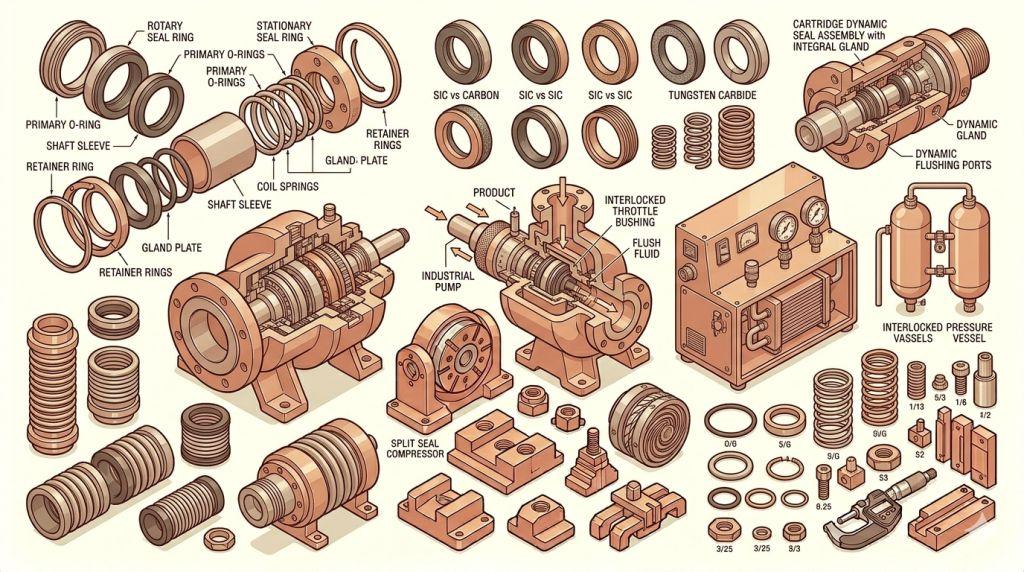
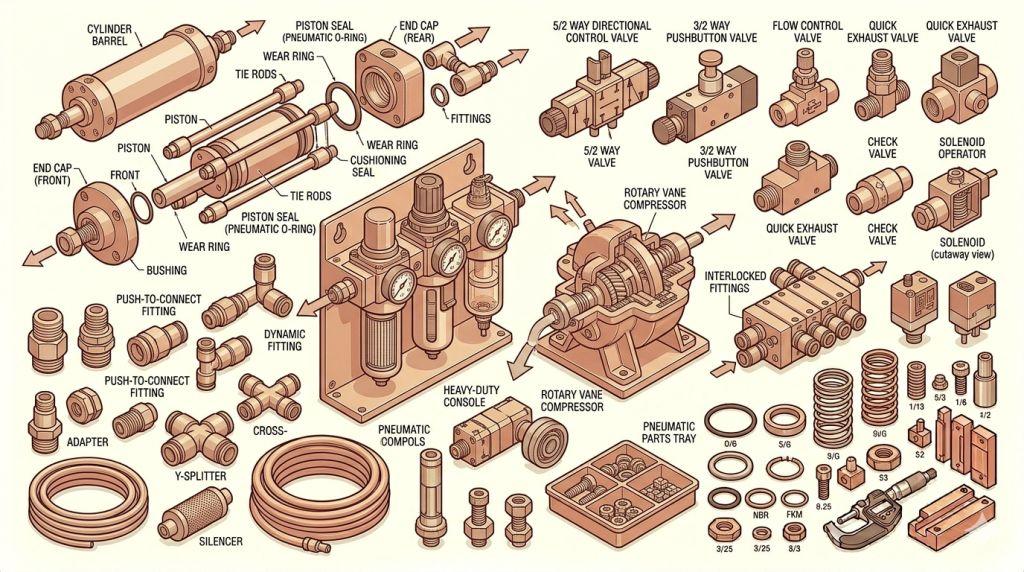
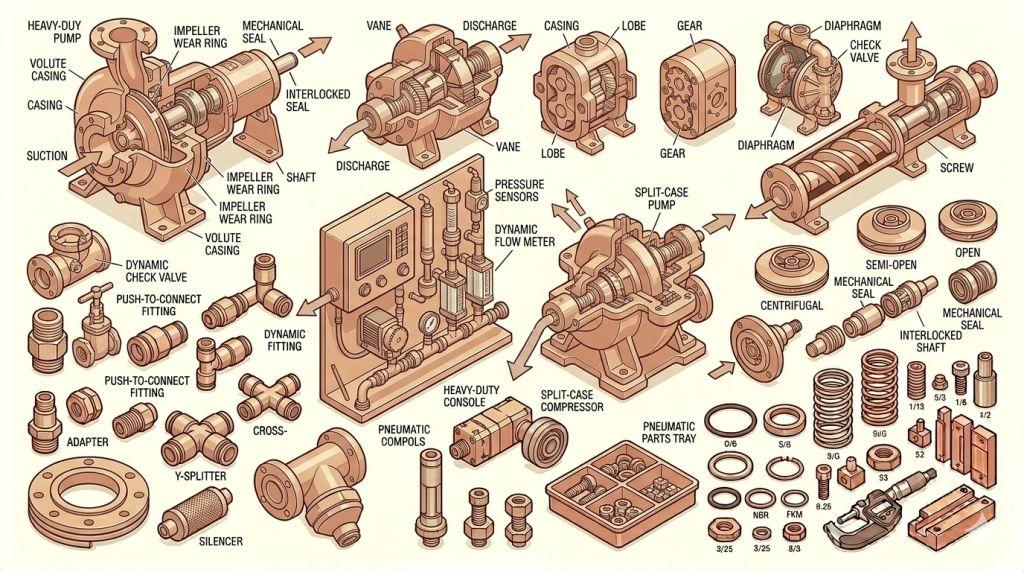
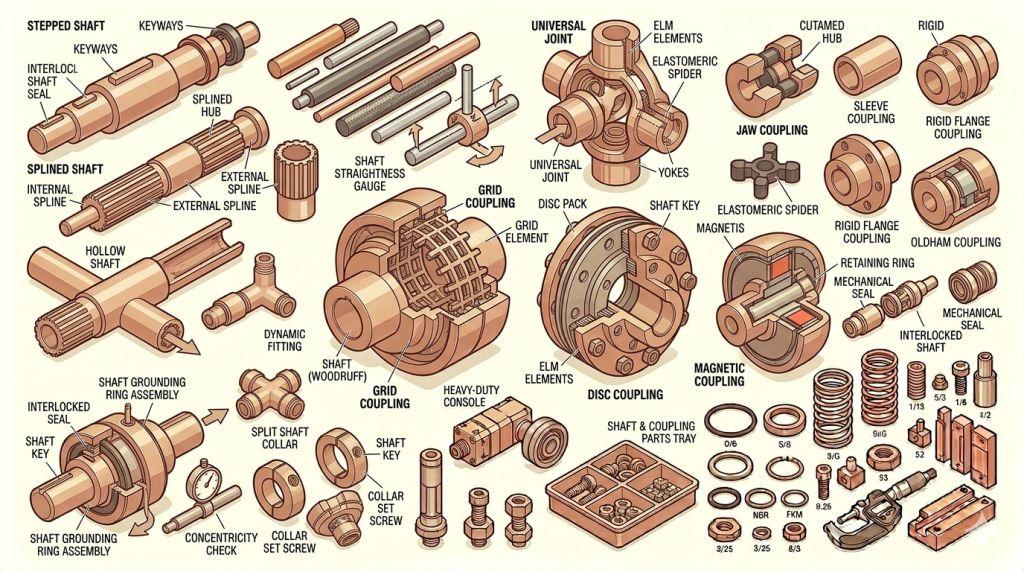
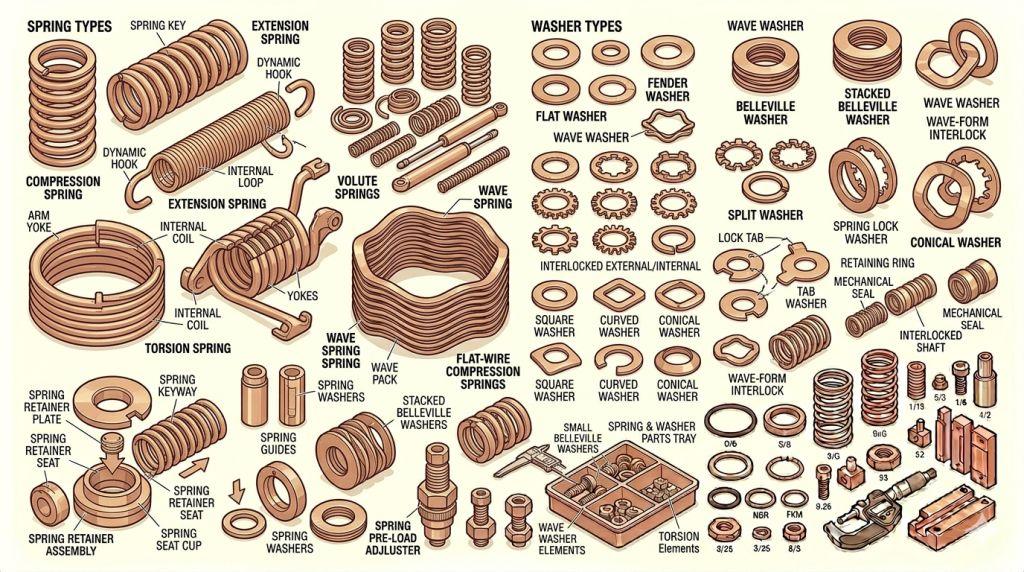
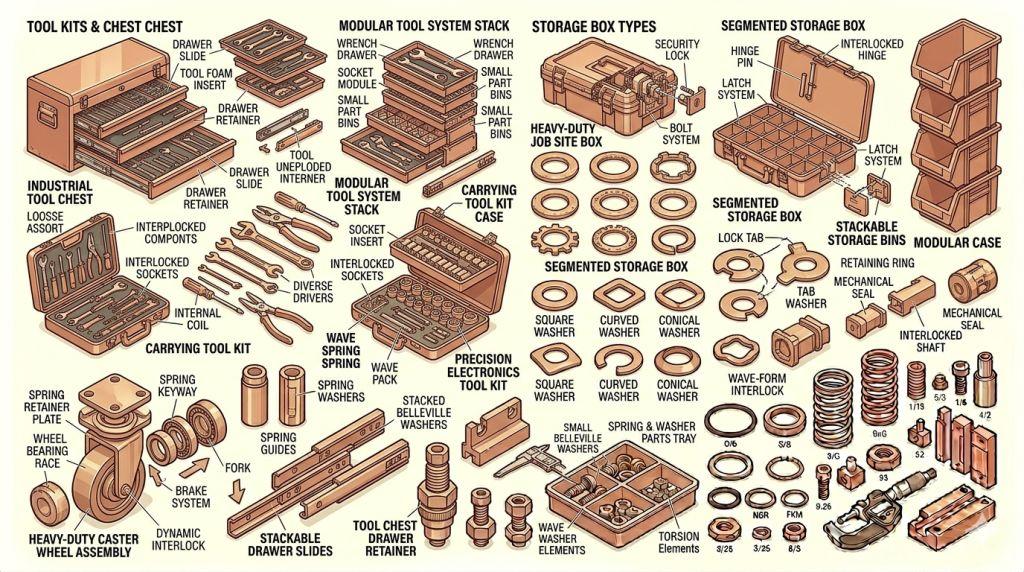
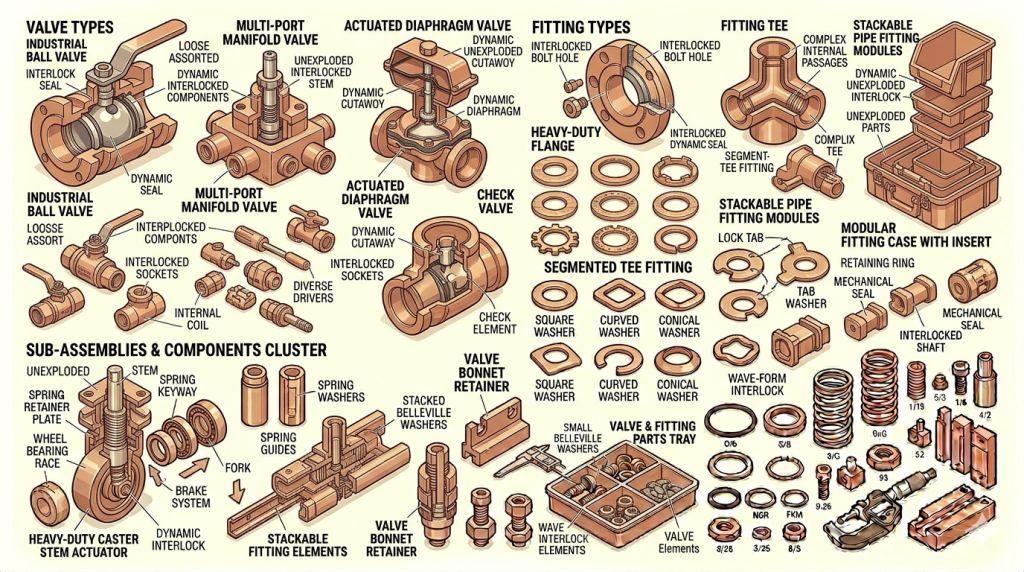
The full range covers bearings and bushings, casters and wheels, chains and sprockets, cutting tools and abrasives, fasteners, gears and gearboxes, hand tools and power tools, hydraulic components, industrial seals and gaskets, industrial tools and equipment, locks hinges and latches, machine tools and parts, measuring and gauging tools, mechanical seals, pneumatic components, pumps and pumping equipment, shafts and couplings, springs and washers, tool kits and storage boxes, and valves and fittings. Thread standards, pressure ratings, material grades, and dimensional tolerances all need to be pinned down before an order moves. Share technical drawings or specifications through the enquiry function, check certification coverage on supplier profiles, and confirm testing and inspection requirements early.