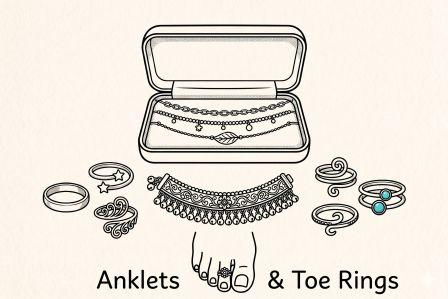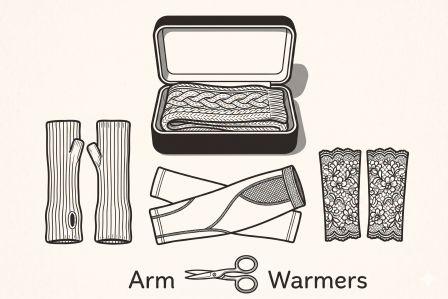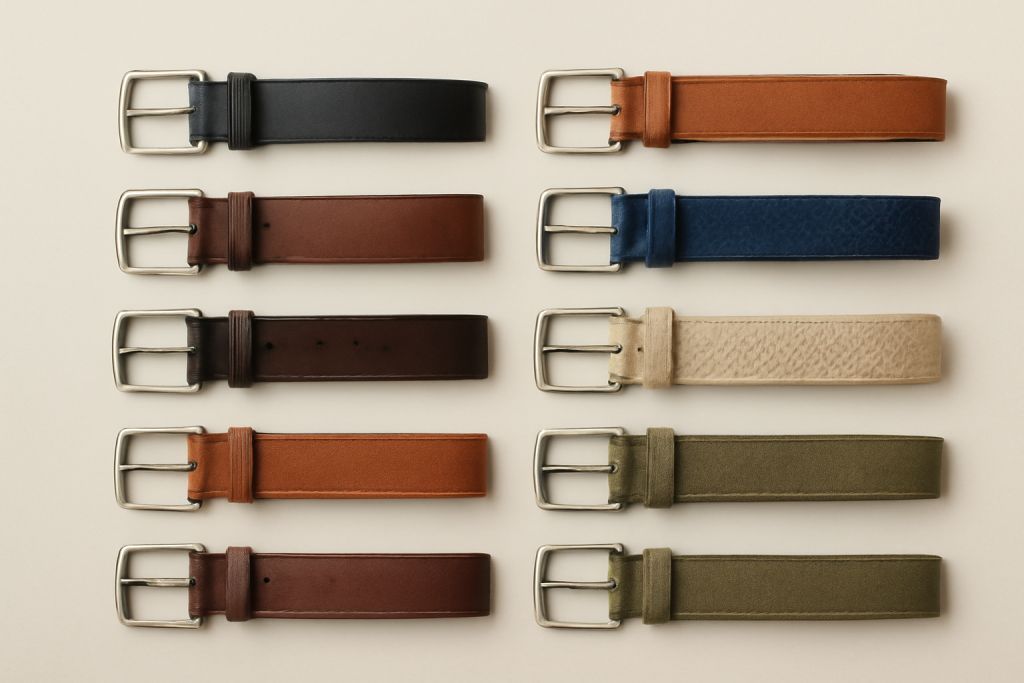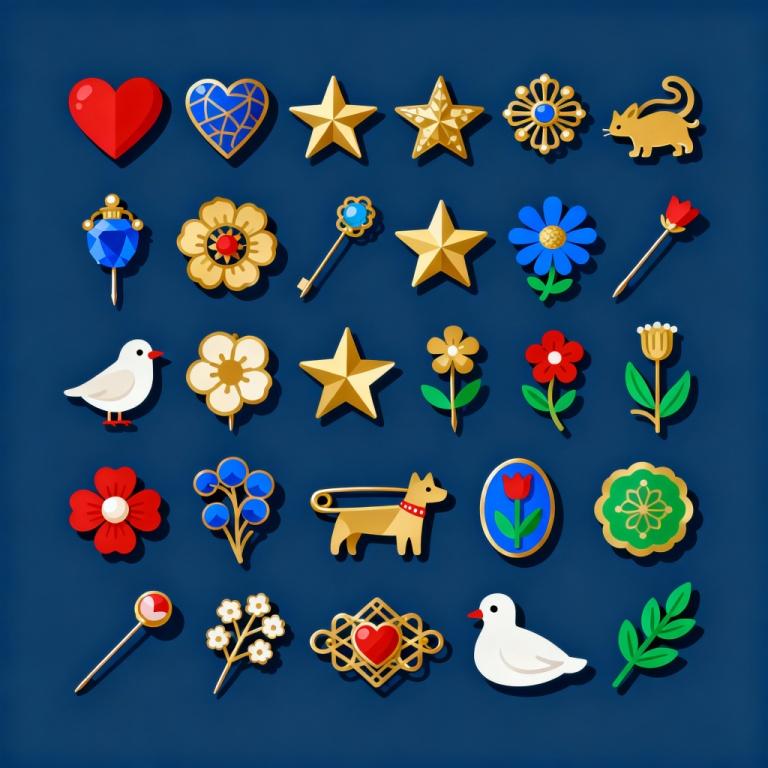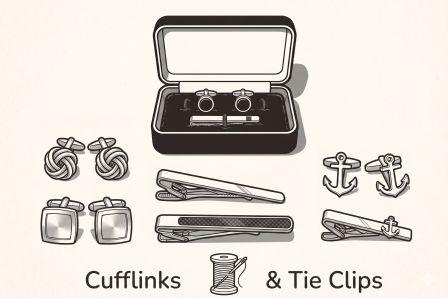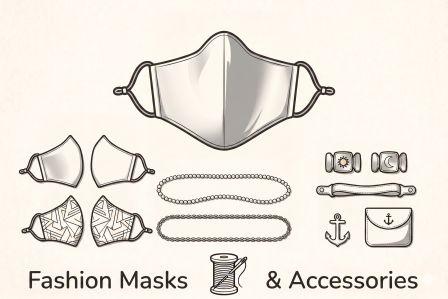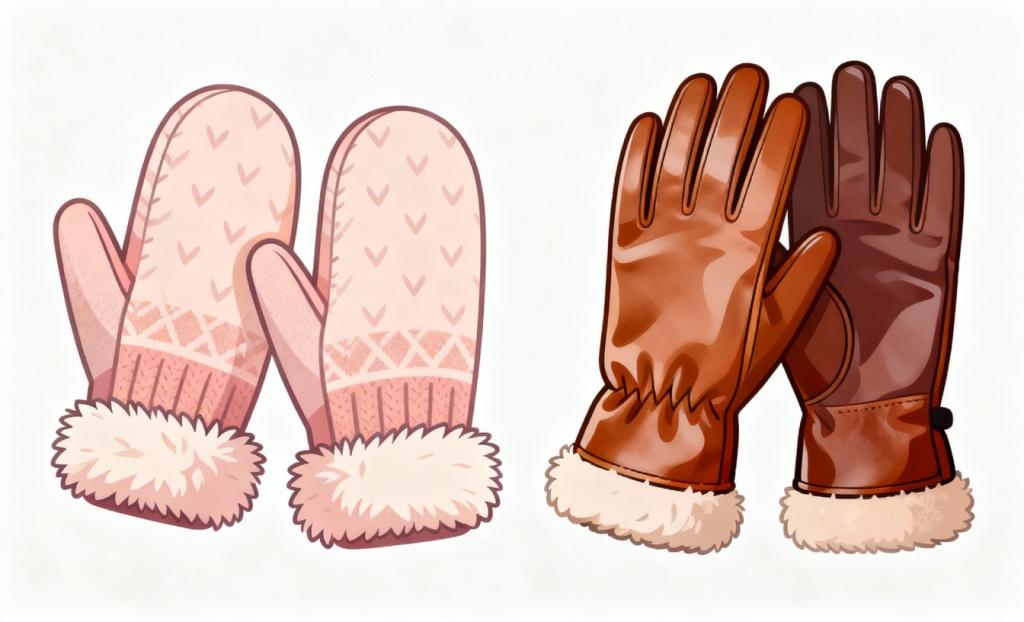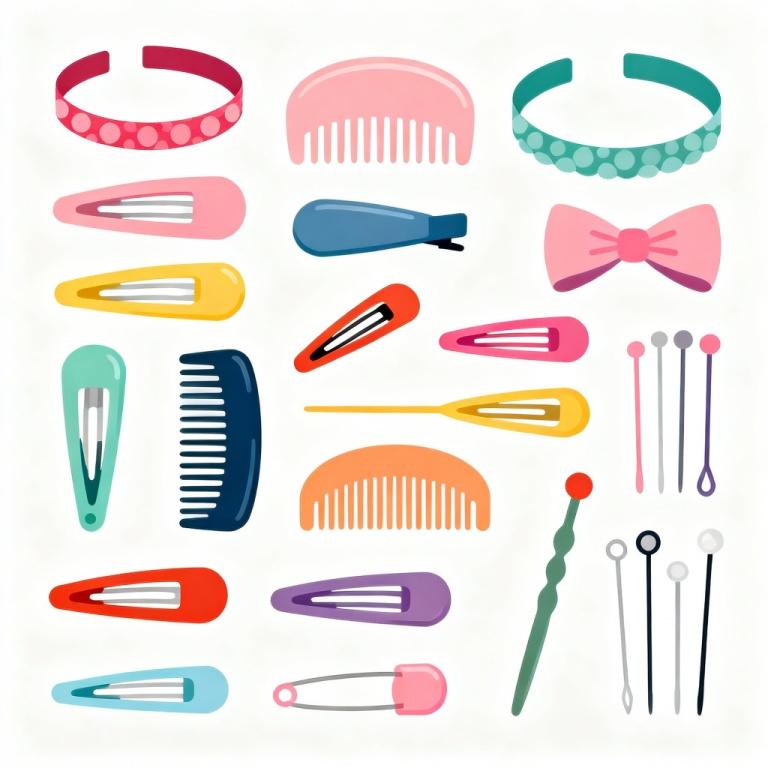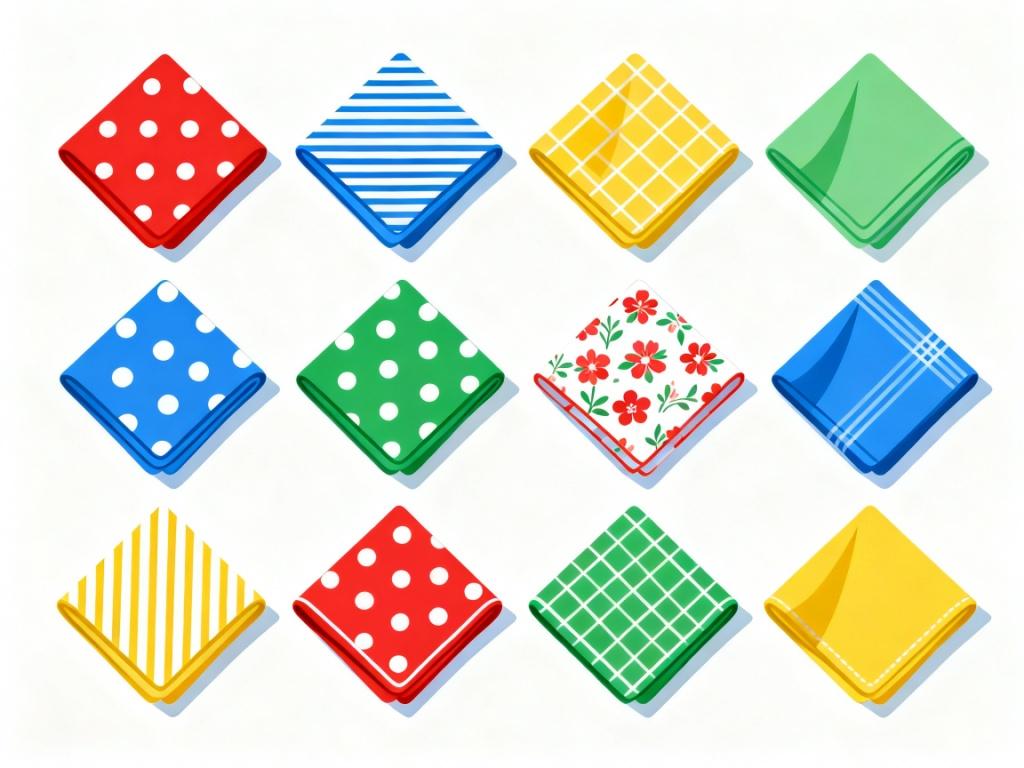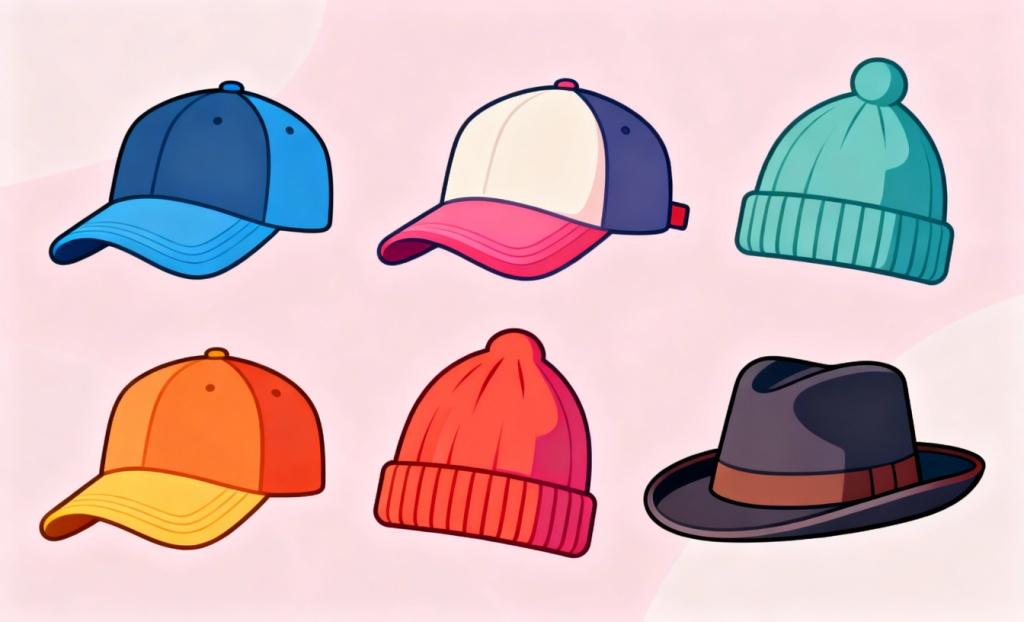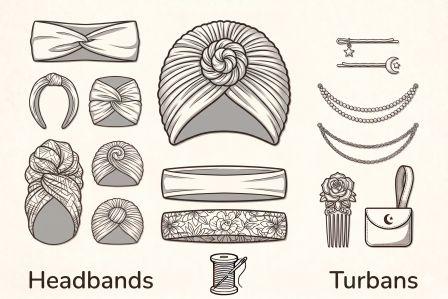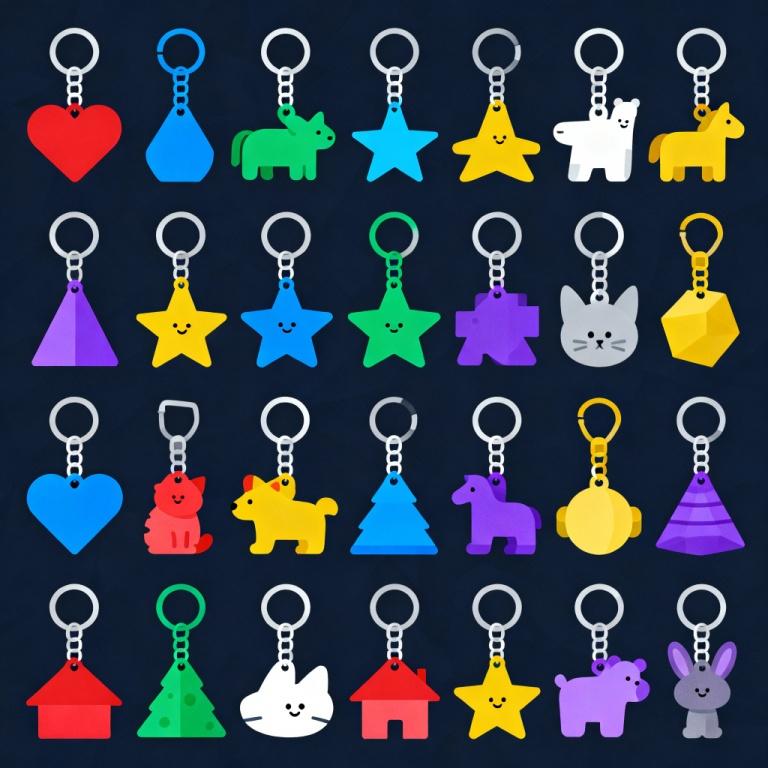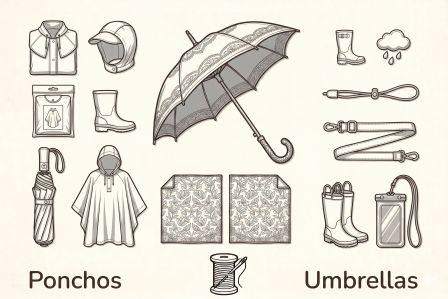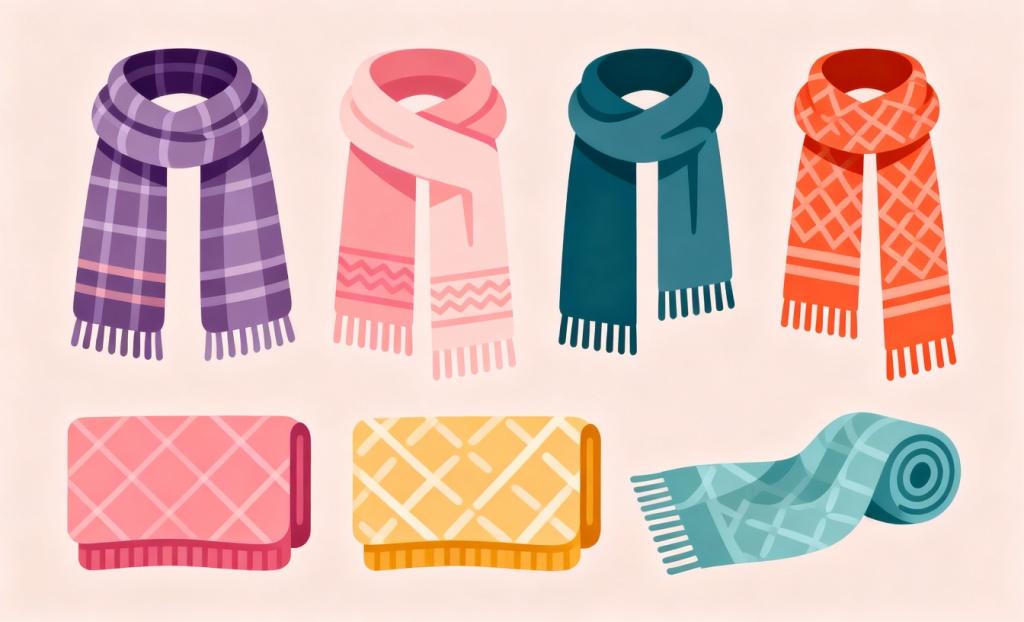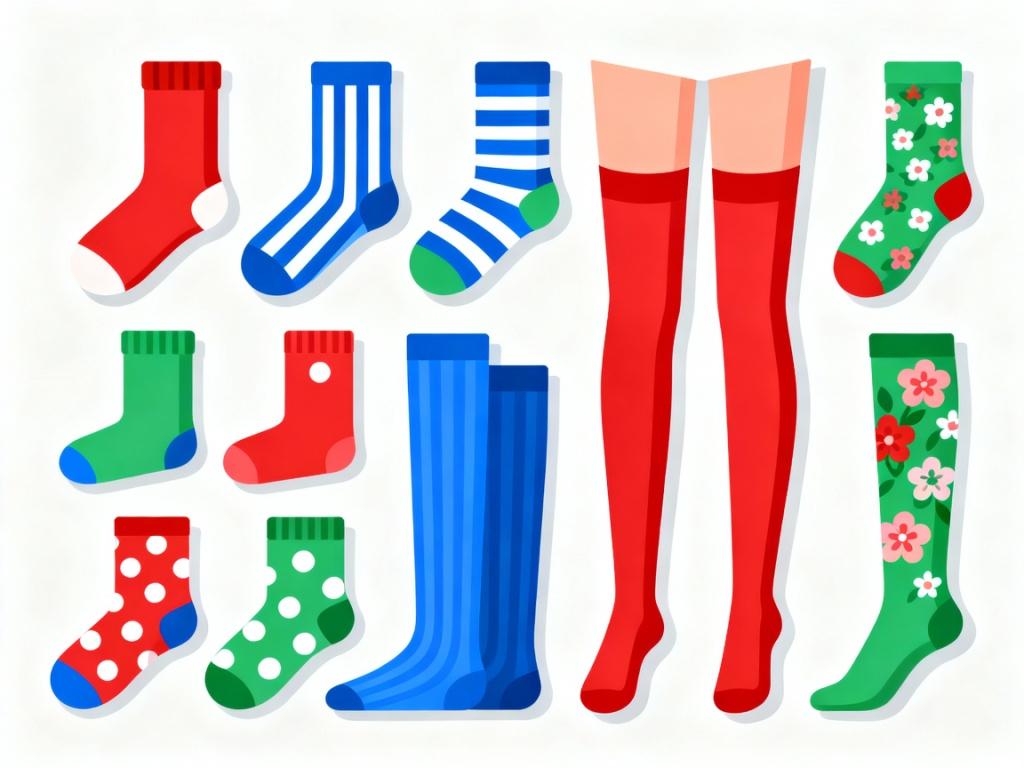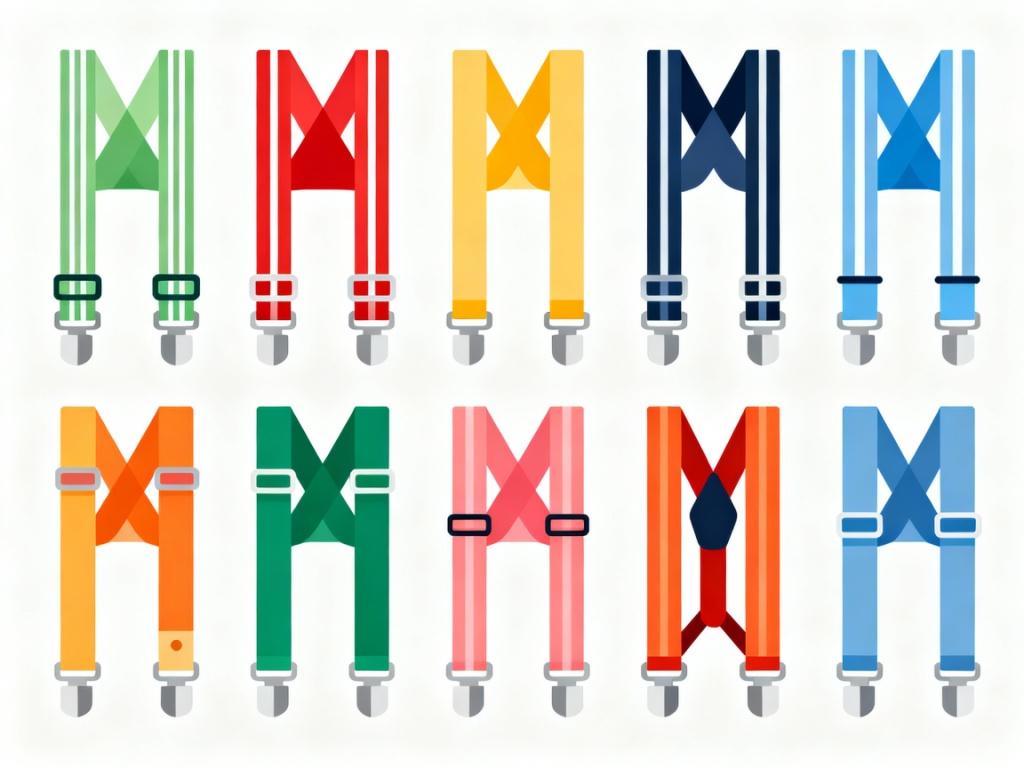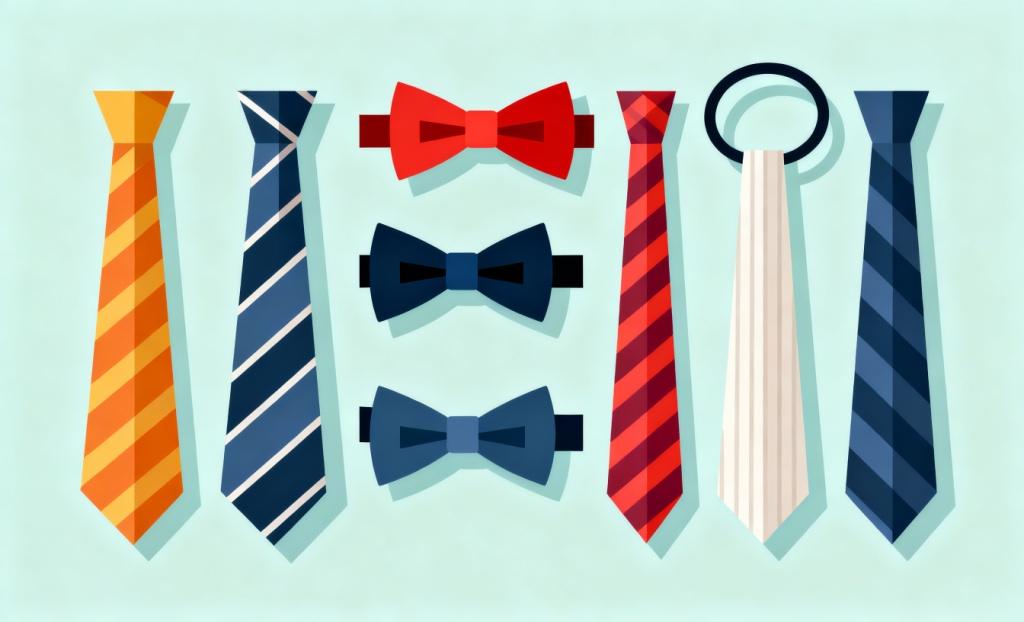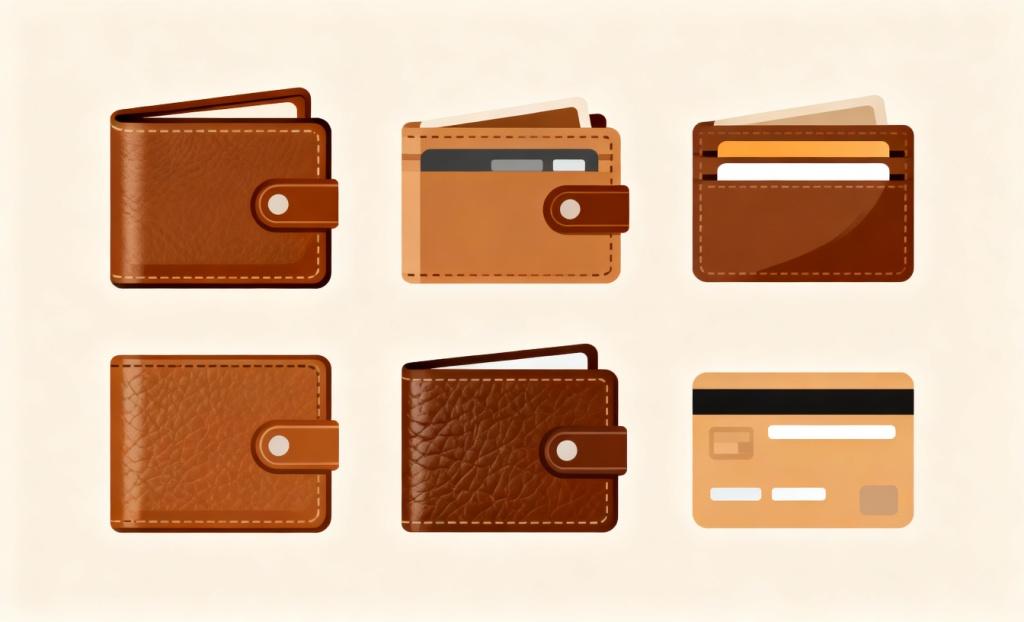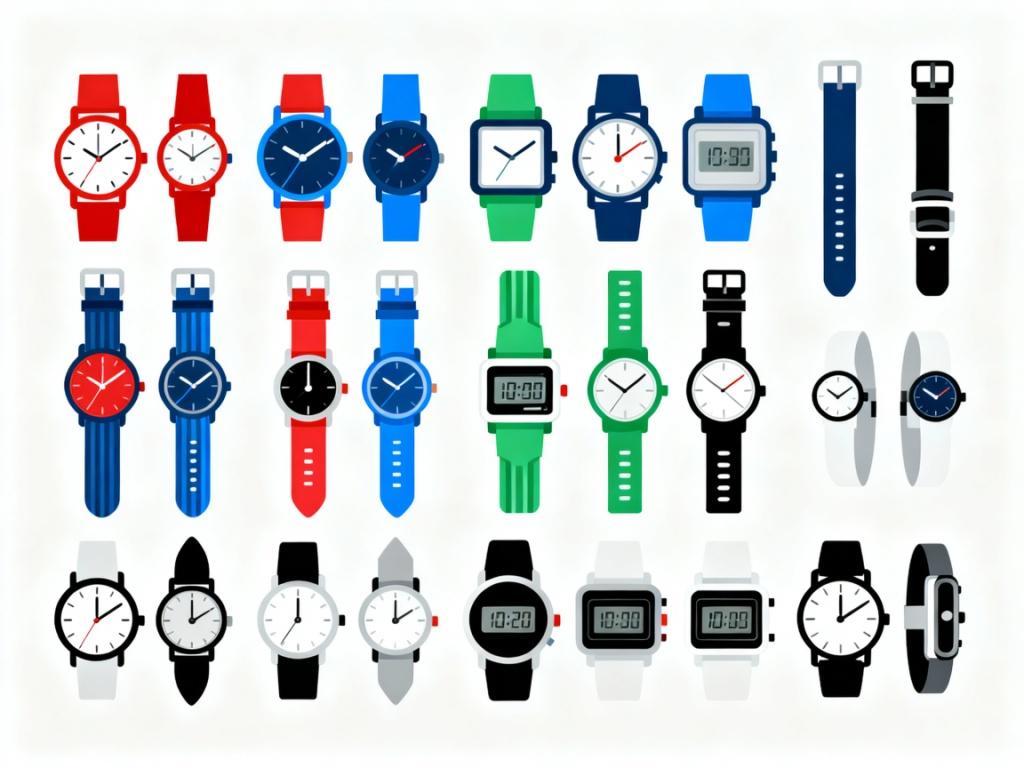
India's fashion accessories manufacturing is spread across clusters that each do different things well. Jaipur produces block-printed scarves, embellished hair accessories, and handcraft pieces that go into European boutiques. Moradabad makes metal key-chains, cuff-links, and decorative accessories. Tirupur and Ludhiana supply socks and stockings at volume. Delhi NCR handles belts, wallets, ties, and mixed accessories for fashion retail buyers. The full subcategory range here - anklets and toe rings, scarves and shawls, hats and caps, gloves, hair accessories, headbands and turbans, brooches, cufflinks, keychains, wallets, watch straps, handkerchiefs, ties, socks, suspenders, umbrellas, fashion masks, arm warmers - runs from high-volume commodity lines to small-batch artisan pieces, sometimes from the same supplier.
Private label and custom work is where most of the international volume moves. Fashion retailers, online brands, and boutique chains sourcing house-label scarves, branded wallets, custom hats, or seasonal accessories find Indian suppliers flexible - lower MOQs than Chinese alternatives, more openness on design, materials, prints, and packaging. Jaipur is particularly active for buyers in the handcraft and sustainable fashion segment. Hand-block printed scarves, embroidered headbands, and handmade accessories with genuine craft provenance are produced here for EU and US boutique retailers who need a product story as much as a product.
Certification requirements are light across most of this category - fashion accessories sit outside the regulated frameworks that apply to electronics or chemicals. Two exceptions: children's accessories need CPSC compliance for the US and EN 71 for EU; metal accessories going to buyers with REACH obligations need component-level documentation. Outside those cases, check supplier export history and quality references on profiles rather than formal certifications. MOQs vary - standard accessory lines start at a few hundred units; artisan and custom pieces often have lower minimums but longer lead times. Use the enquiry function to discuss design requirements, and get samples before committing to seasonal orders.