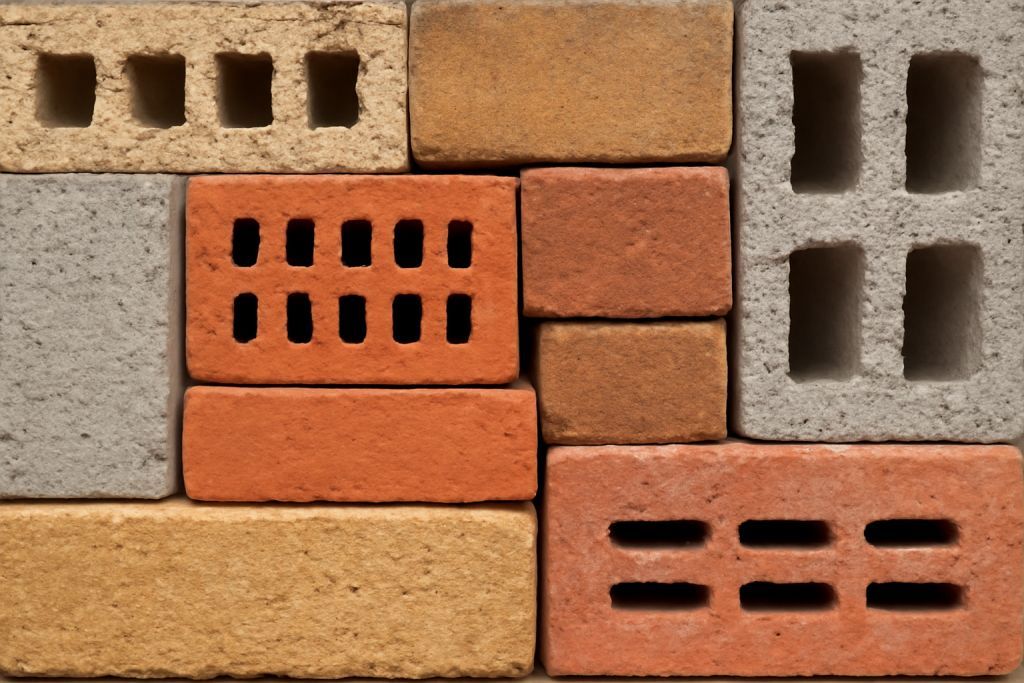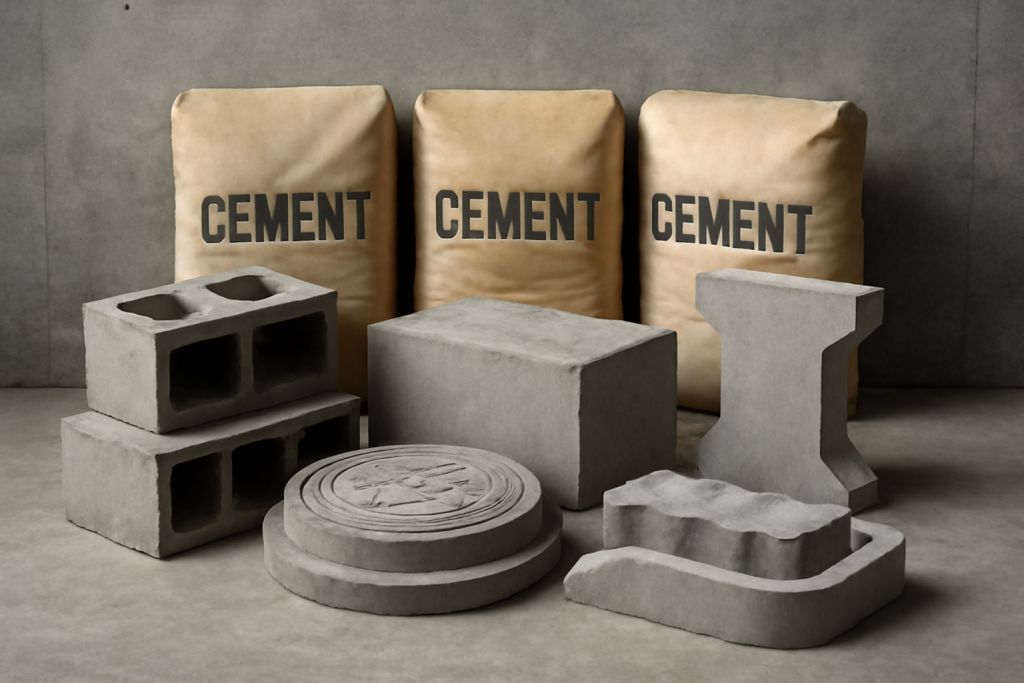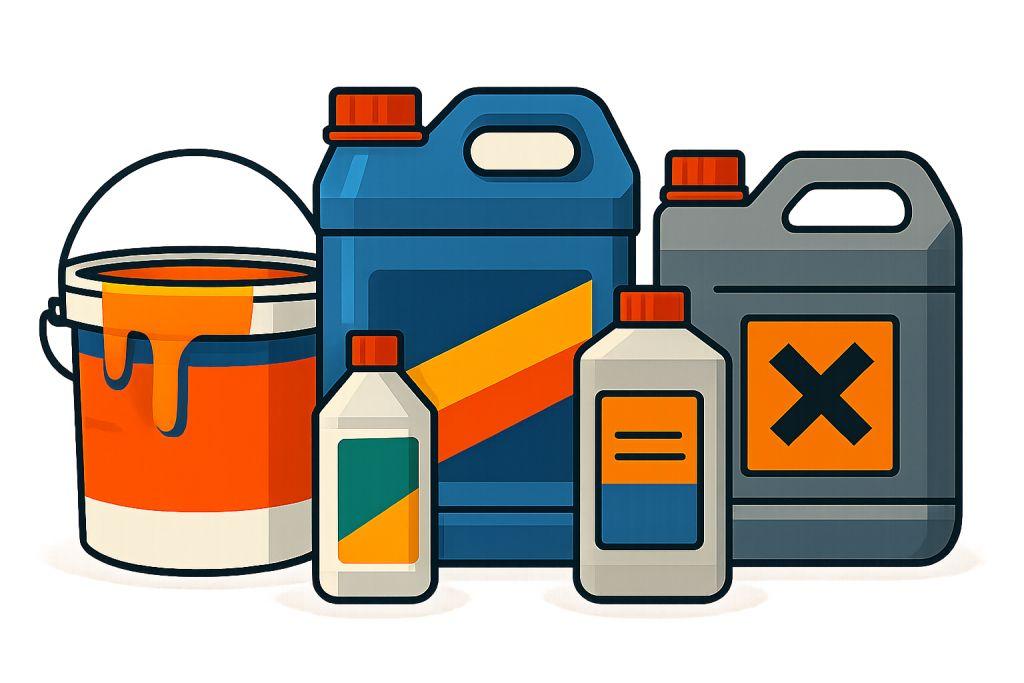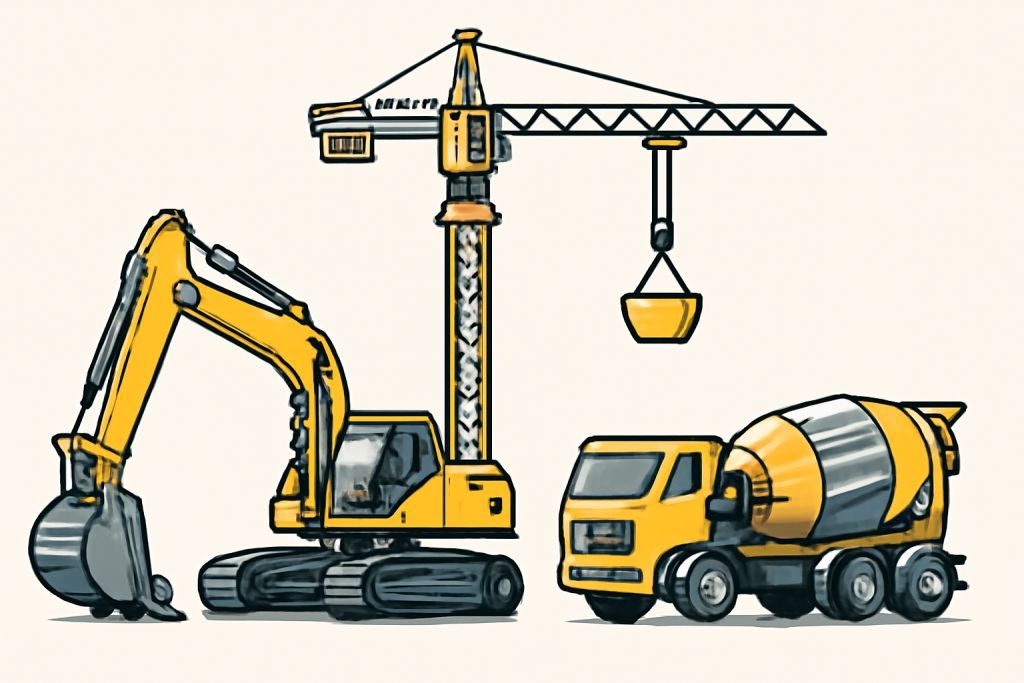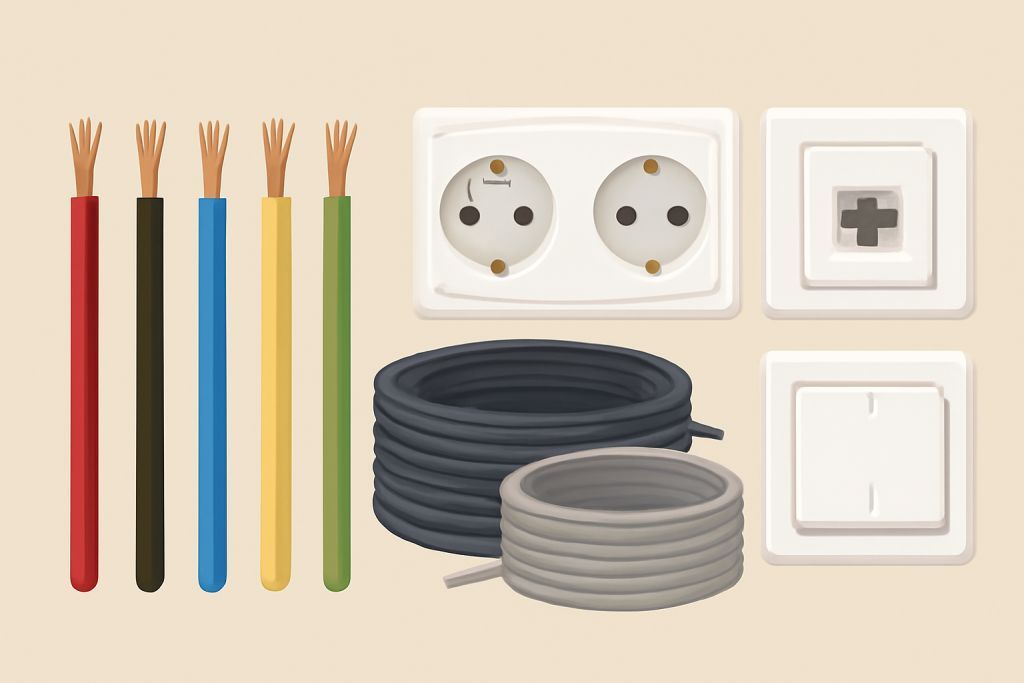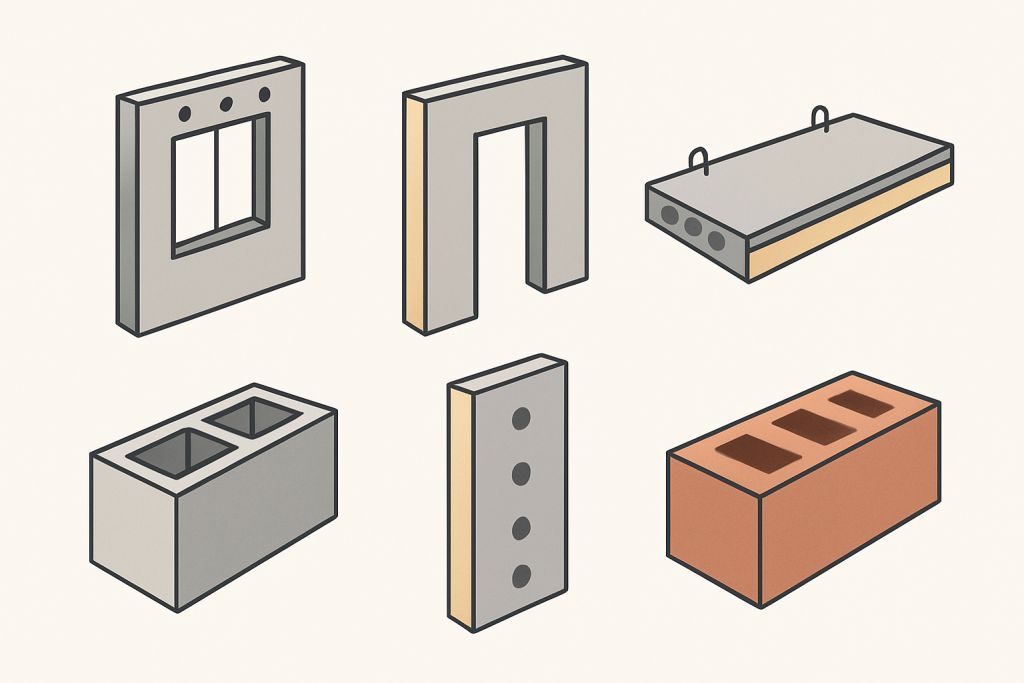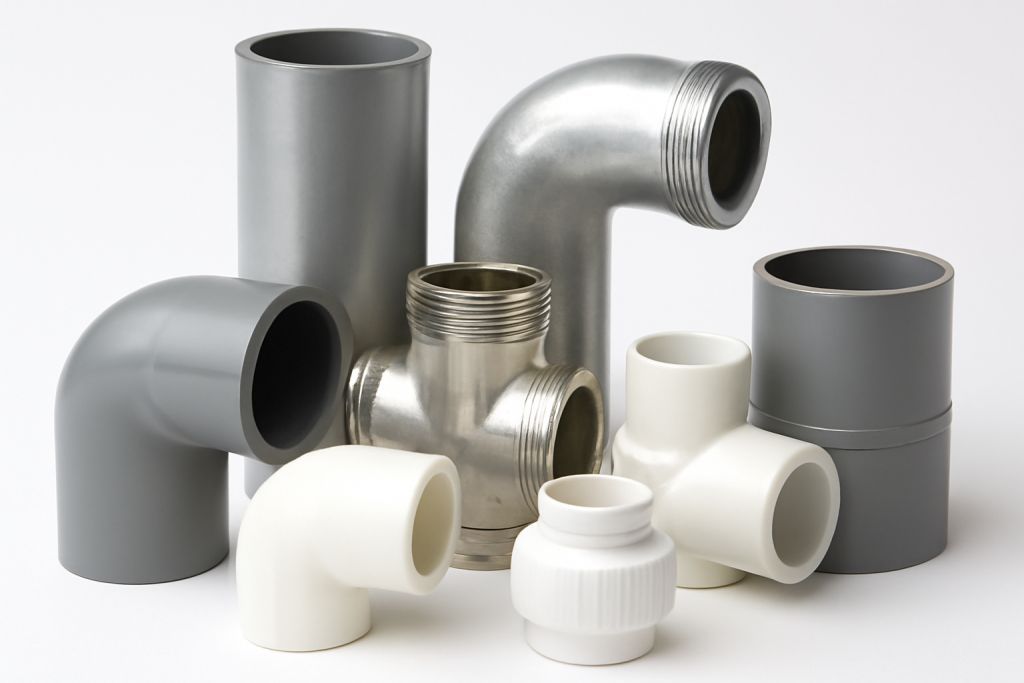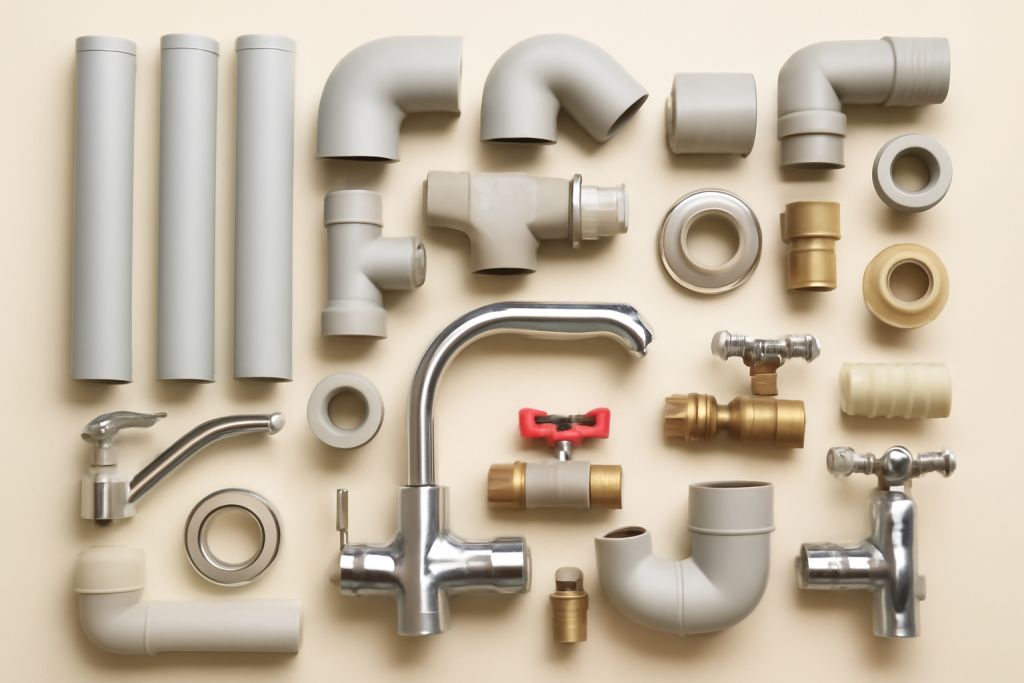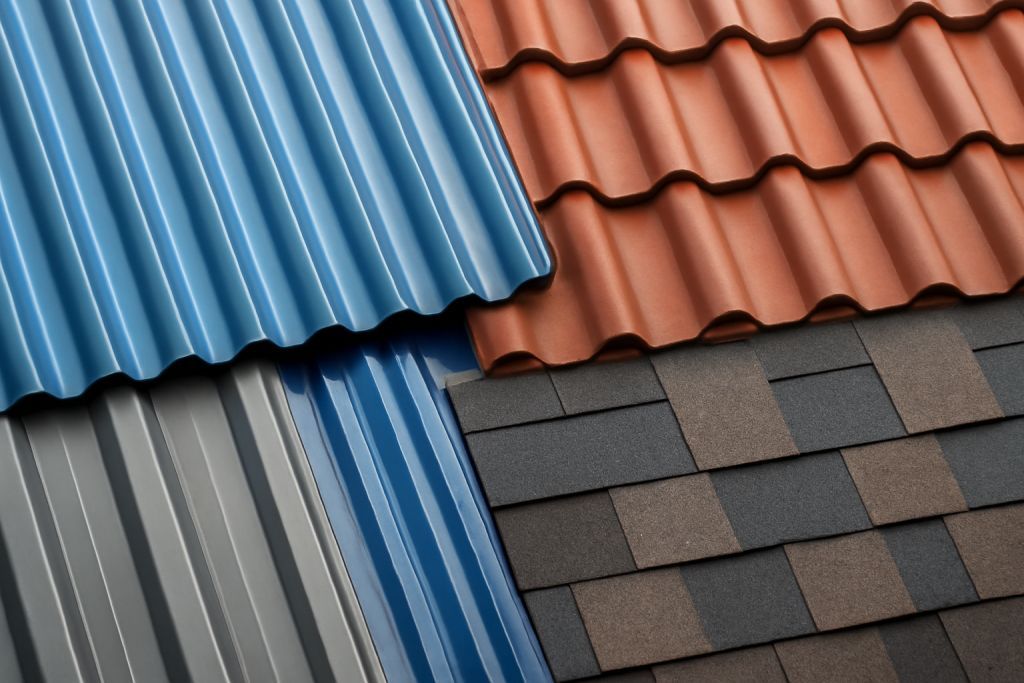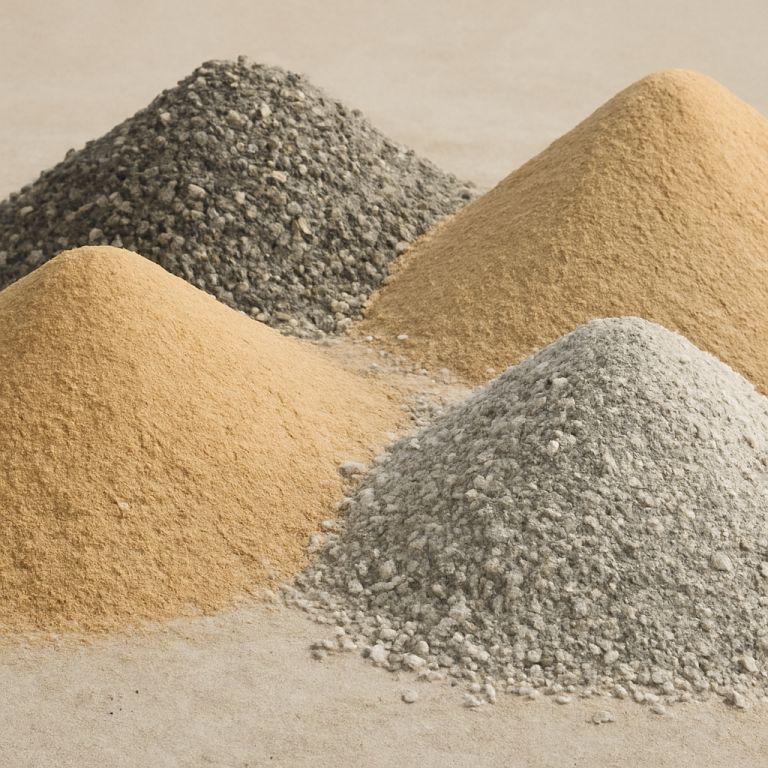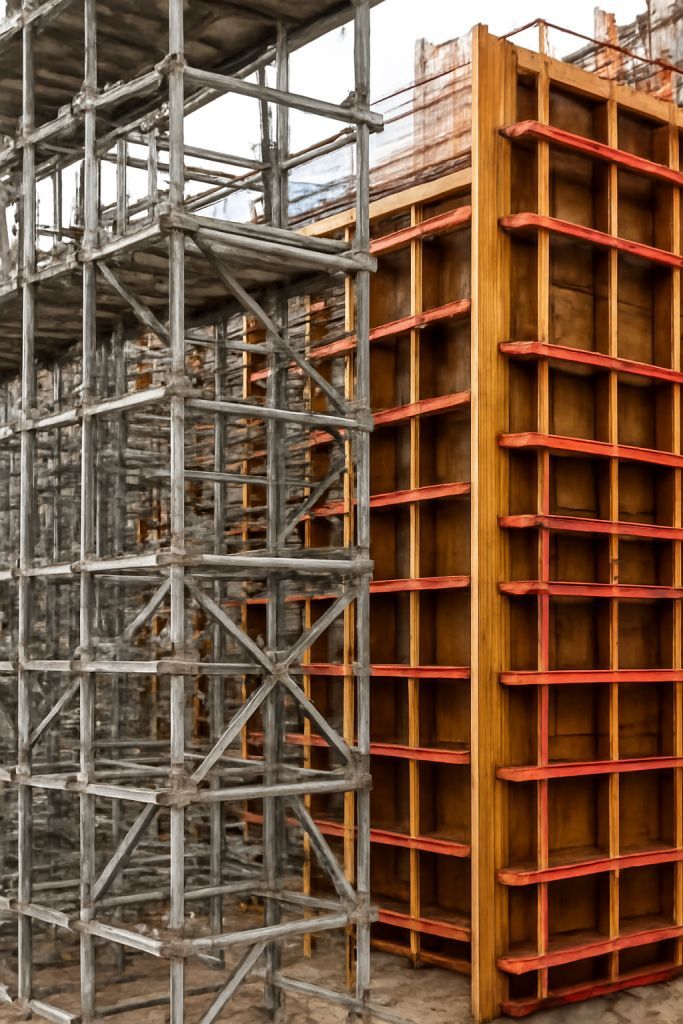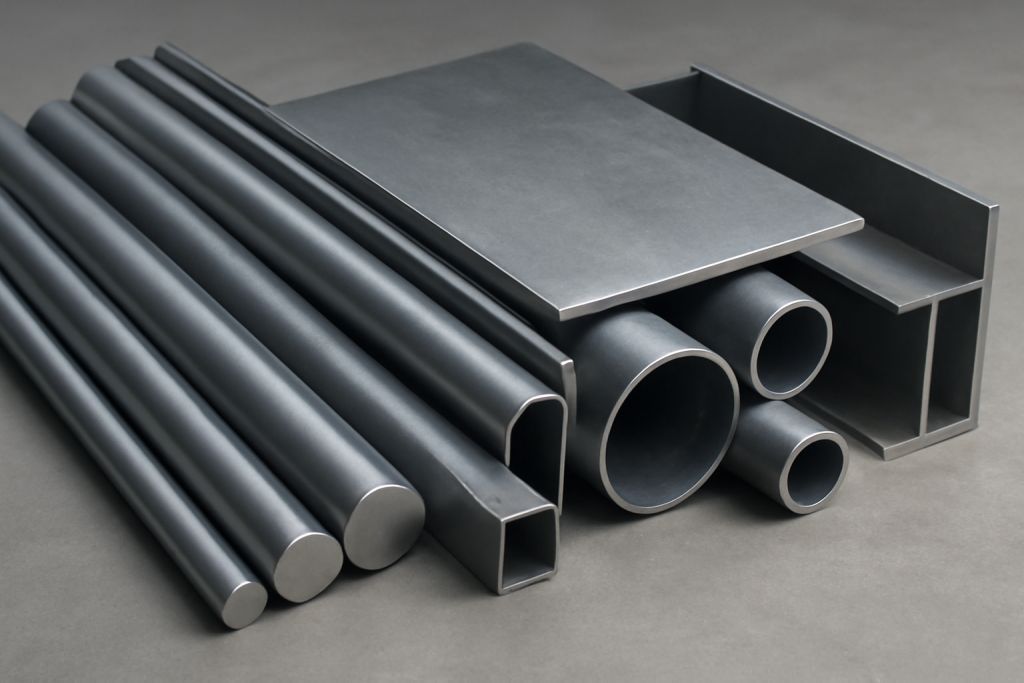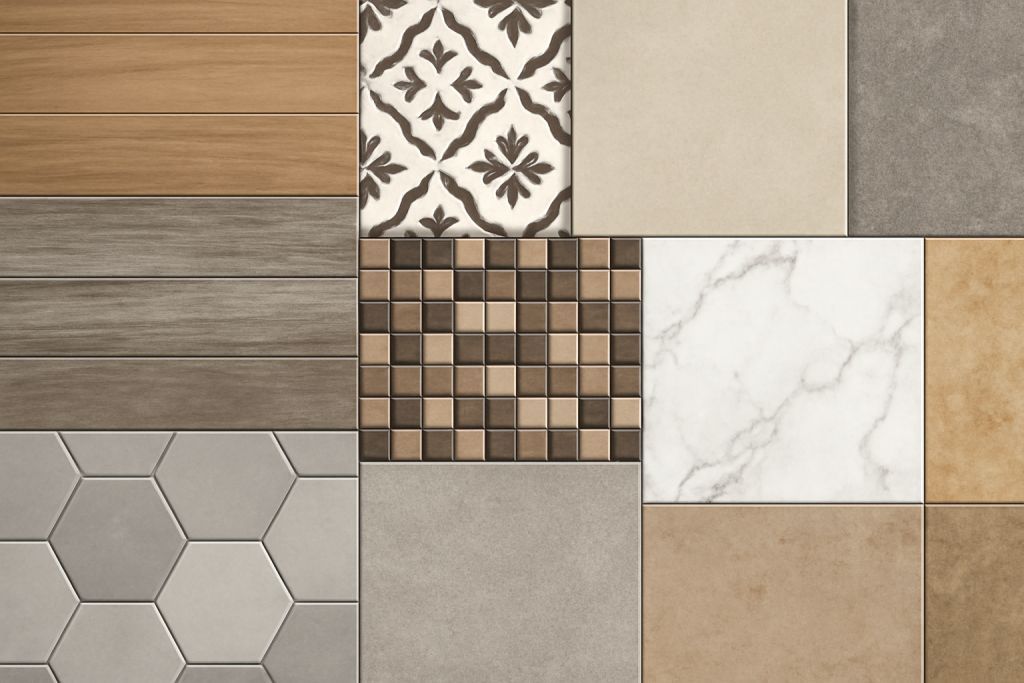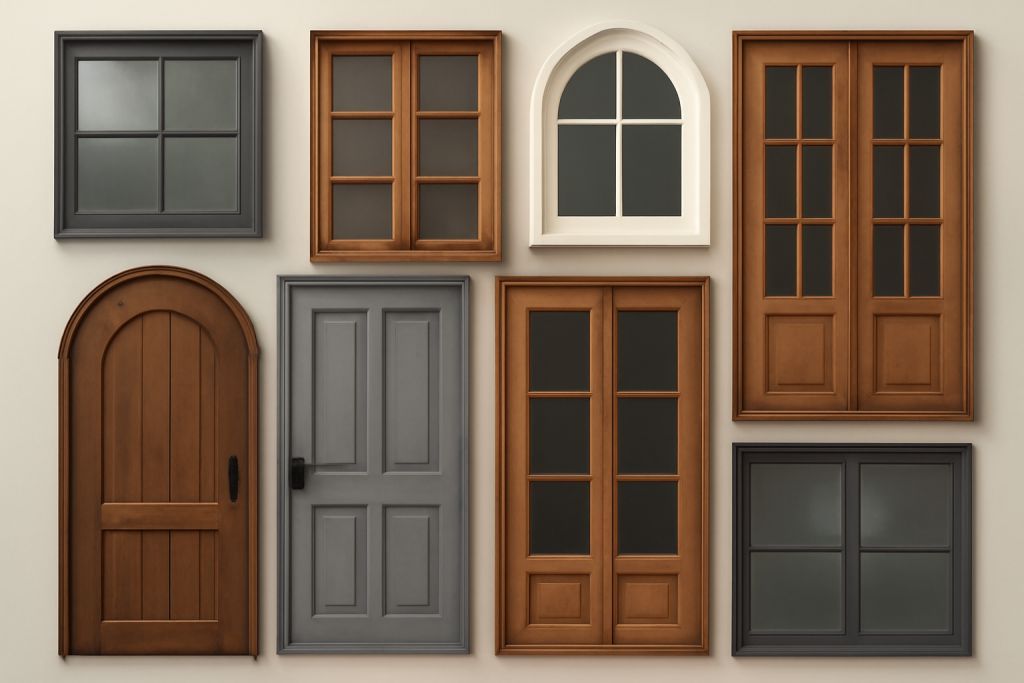
India is one of the world's largest construction material producers, and a meaningful share of that output is exported. Tiles are where India's position is strongest: it's the world's second-largest tile manufacturer, and Morbi in Gujarat - one town - accounts for roughly 70% of domestic ceramic tile output. Floor tiles, wall tiles, vitrified tiles, and sanitaryware from Morbi go to the Middle East, Africa, Europe, and the US at prices that are hard to match from other origins. Beyond tiles, Indian manufacturers export cement and cement products, steel and metal products, pipes and fittings, construction chemicals, insulation materials, roofing sheets, paints and coatings, glass and glazing, plumbing materials, scaffolding, waterproofing materials, windows and doors, modular building materials, and construction machinery.
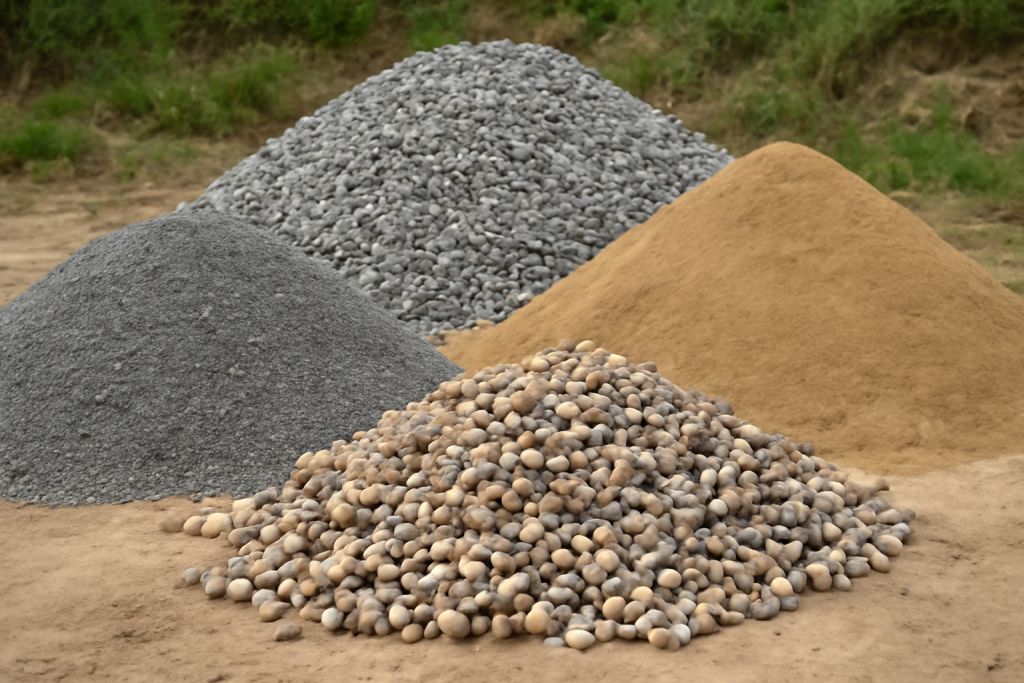
The GCC has been a steady buyer. Infrastructure buildout across Saudi Arabia, UAE, Qatar, and Oman has driven consistent demand for Indian tiles, steel, pipes, cement products, and construction chemicals for years. African construction markets - Nigeria, Kenya, Ethiopia, Tanzania - are growing too, pulling in cement, roofing, steel, and aggregates from Indian exporters. For both regions, Indian suppliers offer volume capacity and competitive pricing, with shorter shipping times than European or East Asian alternatives.
Documentation requirements vary by product. Steel, pipes, and construction chemicals need IS certification and BIS marking, and some destination markets require structural approvals on top of that depending on application. Tiles are less complicated for EU and Middle East access. Construction machinery exported from India typically carries CE marking for European buyers. Check certifications on individual supplier profiles before ordering for regulated markets, and use the enquiry function to discuss volumes, specs, and lead times upfront - construction material orders tend to involve larger quantities and longer planning cycles than most other categories.